Best Tool Storage Integration Strategies for Professional Van Racking and Portable Toolbox Systems
Criteria for Choosing the Ultimate Mobile Tool Storage System
Choosing components that truly integrate your van racking with portable toolbox ecosystems is about more than storage—it’s about safety, speed, and long-term reliability. Prioritize van tool storage integration that keeps kits accessible without compromising structural integrity or vehicle payload. A well-matched system reduces wasted motion on every job and supports professional workshop optimization back at the shop.
Start with ecosystem compatibility and future-proofing. If you run Milwaukee Packout, DeWalt ToughSystem, RIDGID Pro, or Ryobi Link, verify hole patterns, stacking mechanisms, and latch clearances on any base or plate you install. Low profile tool organization preserves drawer and door swing, so you don’t lose aisle width or cabinet capacity after mounting.
Weight capacity and vibration control are critical in a moving vehicle. Look for hardware and plates rated for dynamic loads, with multiple anchor points to handle braking, potholes, and off-road access. Secure tool transport solutions should include positive locking or tethering for cases; for example, a service electrician hitting city potholes shouldn’t see organizers shift or eject from rails.
Space efficiency and ergonomics matter just as much as strength. Map high-frequency kits at waist height and near the curb-side door for quick access, and mount seasonal or specialty kits higher or deeper in the rack. Consider handedness, bin labeling visibility, and whether one-handed latching is possible when you’re wearing gloves.
Evaluate each component against measurable criteria:
Load rating under dynamic conditions and the number of fasteners required to achieve it
Profile height after installation and retained clearance for drawers, doors, and pass-throughs
Hole pattern compatibility with your toolbox brand and racking material
Anti-corrosion finish (e.g., powder coat) and edge quality to prevent strap wear
Locking/tie-down interfaces for straps, padlocks, or security cables
Serviceability: replaceable inserts, accessible fasteners, and standardized hardware
Anchoring method into van structure (unibody vs. framed, use of rivnuts, backing plates)
Documentation: templates, torque specs, and installation guides that reduce install time
Balance build-versus-buy by factoring fabrication time, accuracy, and risk. Off-the-shelf heavy-duty low-profile mounting plates from Boco Custom provide a rigid, low-clearance base that’s engineered for transport, while instant-download DXF custom fabrication files let in-house shops laser cut plates or brackets to exact specs. For unique layouts or branding, BocoCustom’s USA-made laser cutting and custom design services help you dial in fitment, reduce install rework, and keep projects on schedule with local pickup options.
Heavy-Duty Mounting Plates for Maximum Space Efficiency
Heavy-duty mounting plates are the backbone of van tool storage integration because they convert every structural surface into a secure, modular docking zone without eating into valuable cubic space. Low-profile tool organization keeps aisles clear, preserves shelf height, and allows drawers and slide-outs to pass freely. By anchoring modules close to walls and decks, you lower the center of gravity and reduce rattle, improving safety and access during fast-paced service calls.
Smart placement multiplies capacity. Mount vertical plates on bulkheads for daily-use kits, horizontal plates on pull-out platforms for heavier power-tool stacks, and narrow plates along wheel-well boxes to capture “dead” space. In high-roof vans, shallow plates on upper sidewalls let you stage consumables without snagging cargo or interfering with roof supports. Always pre-map van ribs and factory harness routes before drilling, and align plates to land on reinforced structure.
For mixed-fleet teams, compatibility matters. Boco Custom manufactures heavy duty mounting plates sized for popular systems like Milwaukee PACKOUT, ModBox, and Husky, enabling cross-platform docking across vans, carts, and shop benches. Their low-profile designs deliver secure tool transport solutions on the road and seamless handoff to portable toolbox stations at the jobsite. The result is fewer touchpoints, less repacking, and faster turnarounds.
Illustration for Best Tool Storage Integration Strategies for Professional Van Racking and Portable Toolbox Systems
Fabricators who prefer to cut in-house can standardize on Boco Custom’s precision laser-cut digital files for repeatable, tight-tolerance parts. With custom fabrication files, you can mirror hole patterns for rivnuts or Unistrut, tweak offsets for van ribs, and optimize material thickness for specific loads. This workflow supports professional workshop optimization by keeping your templates consistent across vans, trailers, and shop fixtures.
Implementation best practices:
Land fasteners into structural members or use rivnuts with backing plates to spread loads.
Choose corrosion-resistant hardware and isolate dissimilar metals to prevent galvanic reaction.
Use threadlocker and nylon-insert nuts; add rubber isolators where vibration is high.
Test retention with dynamic loads (hard braking, angled climbs) before full deployment.
Keep plates flush with surrounding surfaces to maintain low profile tool organization and avoid snag points.
Add secondary restraints (straps, pins) for heavy items and critical service kits.
Label plate zones and standardize module layouts across vehicles to accelerate training and audits.
Boco Custom’s USA-made, laser-cut solutions and instant DXF downloads give tradespeople a reliable foundation for scalable, secure van tool storage integration—on the road and in the shop.
Custom Fabricated Brackets for Secure Vertical Storage
Vertical mounting brackets free up floor space while keeping critical kits in reach, but they must be engineered to handle vibration, emergency braking, and repeated use. Effective van tool storage integration starts with rigid geometry and a low-profile footprint so aisles remain clear and modules lock securely without rattling. Prioritize tight tolerances around latch interfaces and add tie-down points for secondary restraint when transporting on rough roads.
Material selection and load paths are non-negotiable. For steel, 10–12 gauge (0.105–0.135 in) with formed flanges or gussets resists peel and shear better than flat plate alone. If weight is a concern, 0.125 in 5052-H32 aluminum with edge flanges and strategic ribbing can match stiffness while staying light. Use rivnuts or plus nuts into reinforced ribs, and keep edge distances 2× fastener diameter to avoid tear-out.
When designing or specifying brackets, follow these checkpoints:
Map load paths so forces travel into van structural members (B-pillars, floor crossmembers, or factory hardpoints).
Separate latch retention from primary support; the plate carries weight, the latch only locks the box.
Slot holes for adjustability but retain round holes for final lock-off; add anti-rotation tabs where possible.
Isolate vibration with thin rubber washers or pads at contact points.
Target quick serviceability: exposed fasteners, captive hardware, and clearance for gloved hands.
Heavy duty mounting plates that match popular ecosystems simplify the build. For example, a plate patterned for Milwaukee Packout lets you mount organizers vertically on a Transit bulkhead without added rails. BocoCustom offers USA-made, low profile tool organization plates with pre-drilled patterns and laser-cut accuracy, helping crews achieve secure tool transport solutions without bulky adapters.
Fabricators who prefer a custom fit can start from custom fabrication files. BocoCustom’s instant-download DXF files let you cut brackets in-house, tweak hole spacing for specific van ribs, or mirror parts for left/right installs—ideal for professional workshop optimization and repeatable results. Their laser cutting services can also produce one-offs when you’re balancing payload, clearance, and brand standards.
A practical load case: design a vertical Packout mount for a 40 lb kit at 3× static load to cover hard braking. Use four M8 Class 10.9 fasteners into steel reinforced points, add a 1.5 in formed flange on the bottom edge to resist peel, and integrate 1 in strap slots for secondary retention. Powder coat to mitigate corrosion, break sharp edges for safety, and verify clearances for airbags and wiring before final install. For teams near their shop, BocoCustom also supports local pickup to keep projects moving fast.
Illustration for Best Tool Storage Integration Strategies for Professional Van Racking and Portable Toolbox Systems
Precision Laser-Cut Files for DIY Racking Solutions
Precision laser-cut DXF files let fabricators build racking that fits their van, tools, and workflow without guesswork. For van tool storage integration, the biggest wins come from repeatable geometry: perfectly placed holes, consistent slot spacing, and low-profile brackets that maximize aisle clearance. With clean, ready-to-cut geometry, you can move from layout to production in a single shift and keep projects standardized across multiple vehicles or crews.
Material choice drives performance. For high-load panels and brackets, 12–14 ga steel keeps deflection in check while staying slim for low profile tool organization; for weight-sensitive builds, 0.090–0.125 in 5052-H32 aluminum is a solid alternative. Use slot-and-tab construction to self-fixture components before welding, and integrate PEM nuts or Rivnuts where backside tool access is tight. For vibration-prone mounts, add slotted patterns to fine-tune alignment and use nylon-insert hardware to maintain clamp load.
Whether you’re running a fiber laser, waterjet, or CNC plasma, a disciplined cut-to-install workflow saves time and rework:
Verify scale and kerf settings, then test-cut one bracket to validate hole fit for your preferred hardware.
Nest parts to preserve grain direction on bent brackets and note bend allowance in your press-brake program.
Add small micro-tabs to prevent tip-up on fine features; remove and deburr promptly for clean edges.
Post-process with media tumble or flap wheels, then powder coat or zinc plate for corrosion protection.
Pre-install PEM hardware on the bench, then final-mount to Unistrut, aluminum extrusion, or factory hard points.
Smart interfaces make systems modular. For example, pair a universal backer plate with tool-specific faces so a Milwaukee Packout mount, hose reel, or battery bank can share the same footprint. Vertical Packout rails on a Sprinter sliding door panel benefit from anti-lift hooks and secondary latches; floor-mounted plates in a Transit should include tie-down through-holes to anchor loads and deliver secure tool transport solutions. Keep wiring channels and ventilation cutouts in the file to support inverters, chargers, or air compressors.
Boco Custom provides instant-download DXF files and heavy duty mounting plates engineered for popular systems, so you can cut locally and install with confidence. Their low-profile, secure designs support professional workshop optimization in the van and back at the shop, and their USA-made laser cutting and custom design services help you adapt files to unique layouts or add branding. If you need a one-off bracket, a full rack kit, or custom fabrication files tuned to your equipment and material, Boco Custom is a practical partner—plus local pickup is available for finished parts.
Comparative Analysis of Fixed Racking vs. Modular Portability
Choosing between fixed racking and modular portability is a strategic call that shapes van tool storage integration, jobsite speed, and safety. Fixed systems prioritize always-on readiness and maximum density, while portable systems emphasize mobility from shop to site. The best choice depends on crew size, service mix, and how often tools must leave the vehicle as part of secure tool transport solutions.
Fixed racking excels for repeatable service work. Built-in drawers, bin walls, and bulkhead cabinets deliver high payload capacity, clear labeling, and easy power integration for chargers or inverters. Downsides include added weight, higher reconfiguration costs, and fewer options to bring entire tool sets into a building; for example, a service electrician may love rack-mounted parts and cable drums, but struggle when a multi-day project demands full kits at the jobsite.
Modular portability—think Milwaukee Packout or similar stacks—shines when crews shuttle tools between the van, cart, and site. It supports low profile tool organization in the vehicle while keeping kits mobile, and it scales as teams add or retire tool sets. Stability is the main concern; stacks need docking points or heavy duty mounting plates to lock down safely during transit, especially on bulkheads, doors, or floors.
Illustration for Best Tool Storage Integration Strategies for Professional Van Racking and Portable Toolbox Systems
Key decision factors to compare:
Payload and weight distribution: Fixed racks carry more but add mass; modular stacks require secure anchoring to prevent shift under braking.
Access frequency and workflow: High-use consumables fit best in fixed drawers; specialty kits benefit from quick-release portable docks.
Space efficiency: Low-profile mounts on doors or bulkheads preserve aisle width; floor plates should maintain pass-through and exit routes.
Safety and compliance: Use through-bolting, backing plates, and crash-rated hardware; align with OEM mounting points when possible.
Total cost of ownership: Fixed builds cost more upfront to reconfigure; modular systems may reduce downtime by re-kitting off-vehicle.
A hybrid approach often wins. Keep immovable assets—compressor, vacuum, long-stock tubes—fixed, and create docking zones for portable stacks using low-profile plates on floors, bulkheads, and door panels. Boco Custom offers heavy duty mounting plates engineered for major systems that keep stacks locked in transit yet remove in seconds, balancing space savings with secure tool transport solutions. For fabricators, BocoCustom’s instant-download DXF custom fabrication files enable precise, shop-cut brackets and adapters that accelerate professional workshop optimization.
Implementation tips: model your layout with system DXFs to verify clearance, door swing, and egress before drilling. Use rivnuts or through-bolts with backing plates, threadlocker, and torque specs; add anti-rattle bushings where plates interface with stacks. Validate load paths and sharp-edge protection for straps and L-track. When you need USA-made, laser-cut components or custom plate geometry, Boco Custom can produce low-profile solutions and provide local pickup to keep your fleet moving.
Selection Guide: Matching Your Trade to the Right Organization System
Choosing the right system starts with how you work day to day, then extends to how your van racking and portable boxes cooperate. Effective van tool storage integration balances payload, aisle clearance, and access time so you’re not hauling the wrong kit into a jobsite or digging for fasteners in the dark. Map your high-frequency tools, occasional-use gear, and the handoff points where portability beats fixed storage.
Use these criteria to guide your choice:
Daily carry versus specialty kits: keep routine tools within a single grab-and-go stack; stage niche gear deeper in the van.
Weight and center of gravity: anchor heavy items low and near axle lines; avoid tall, top-heavy stacks.
Access and security: combine quick-release plates with positive latches and padlock points for secure tool transport solutions.
Space constraints: prioritize low profile tool organization on doors and bulkheads to preserve aisle width and door clearances.
System compatibility: confirm your racking integrates with Packout/ToughSystem footprints via heavy duty mounting plates.
Environment: choose sealed cases for dust and moisture; add vibration damping on rough routes.
Fabrication capability: if you can cut metal or have a shop, use custom fabrication files (DXF) to tailor brackets, guards, and partitions.
Trade-specific recommendations:
Electrician: shallow drawers for fittings plus a vertical Packout stack on a plate near the side door; add bit/driver holsters at arm height.
Plumber: deep totes for traps and valves, floor-anchored plates to lock wet gear, plus tube carriers for copper and ABS runs.
HVAC/R: long-hand tool keepers and manifold protection, wall-mounted low profile plates for meters, and bottle restraints where applicable.
Finish carpenter: padded drawers for finished hardware, narrow plates behind the driver for Systainers/Packout, and a secure bay for the track saw.
Facilities/service tech: quick-release plate by the sliding door for diagnostics, with a lockable compartment for laptops and test instruments.
Mobile fabricator/welder: thicker steel plates for grinder/saw boxes, fire-safe bottle cages, and DXF-cut brackets that align to bed rails.
Boco Custom manufactures heavy-duty mounting plates for major portable systems with low-profile, secure designs that protect gear in transit and release instantly on-site. For teams with fabrication capability, their instant-download DXF fabrication files let you build bespoke brackets, partitions, and bulkhead panels that follow your van’s ribs and accessory rails. The result is durable, USA-made components that scale with your workflow.
Finalize the setup by matching plate orientation to case latches and door swing, using rivnuts or backer plates at structural points, and load-testing on your roughest route. Document locations by trade or task to standardize restocking and speed swaps between crews. This is professional workshop optimization applied to the van—fast, safe, and repeatable.
Standard shipping takes 5 to 7 business days. Express (2 to 3 days) and overnight options are available at checkout. Orders over $50 ship free.
Can I order online and pick up in store?
Yes. Select "Pick up in store" at checkout and choose your nearest location. Most orders are ready within 2 hours.
What if my order arrives damaged?
Contact us within 7 days of delivery with your order number and a photo. We'll arrange a replacement or refund, no return shipping required.
AI-Generated Content Disclosure
This blog post was created with the assistance of RankGPT, an AI-powered tool designed to generate high-quality, SEO-optimized content at scale.
As a small business embracing modern technology, we use AI to help us:
Produce informative articles more efficiently
Increase our online visibility through better performance in traditional search engines (like Google) as well as emerging AI-powered searches and answer engines
Reach more potential customers and grow our presence in a competitive digital landscape
By leveraging tools like RankGPT, we're able to publish valuable content more consistently and scale our efforts in ways that would otherwise take significantly more time and resources.
Important notes for readers:
While RankGPT helps create well-structured and relevant content based on current best practices, AI-generated posts are not always 100% accurate, complete, or free from errors.
The information, opinions, and perspectives expressed may not fully reflect the exact views, experiences, or official positions of Boco Custom, its team members, or the individuals involved in our business.
AI content should be viewed as a starting point or general resource—not as personalized professional advice, definitive facts, or a substitute for direct consultation with us or qualified experts.
We always recommend verifying important details independently, especially for decisions related to custom products, services, or any business matters.
We are committed to transparency and continually work to improve our content. If you have questions, feedback, or spot any inaccuracies, please reach out—we genuinely appreciate it!
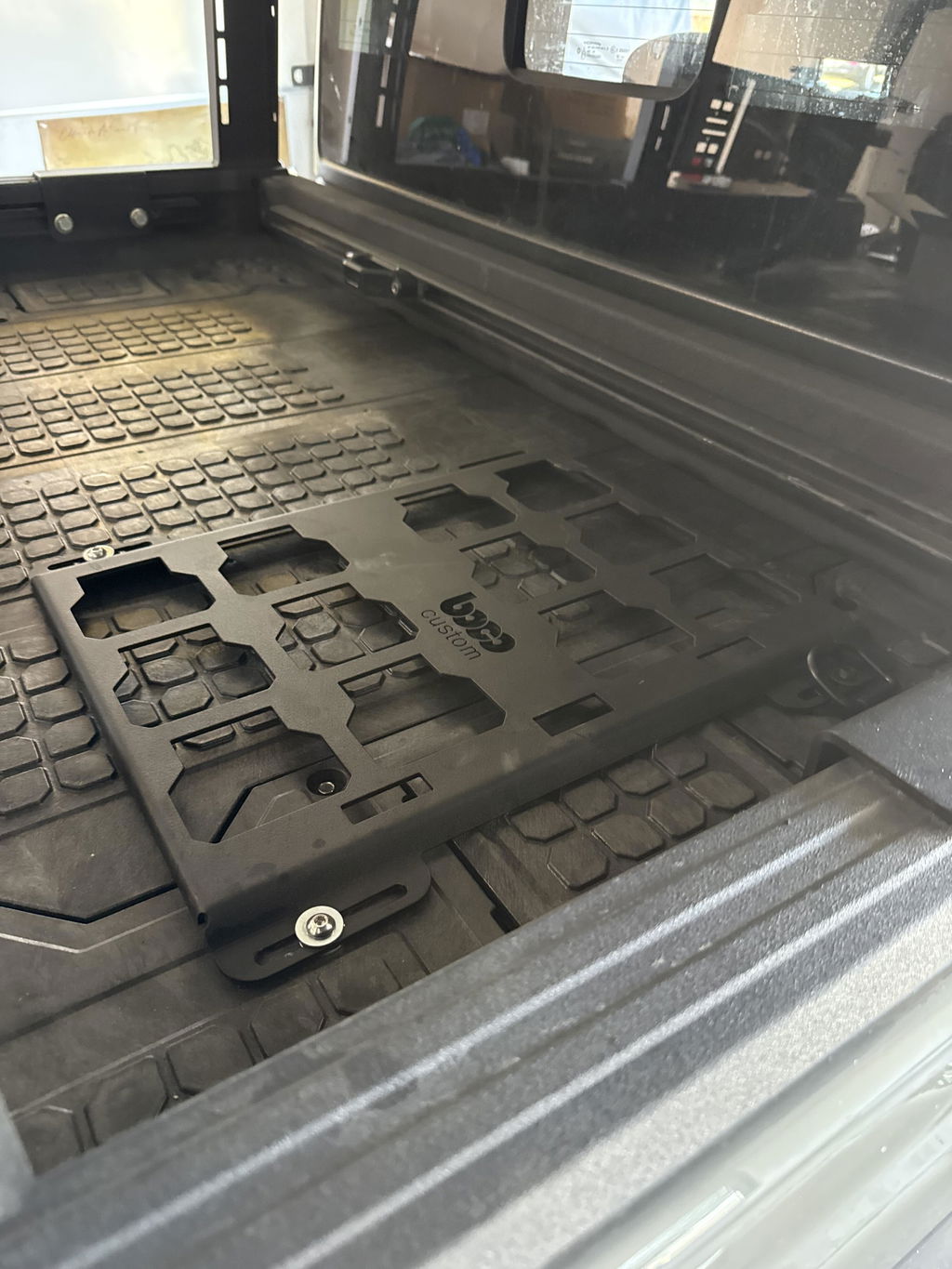
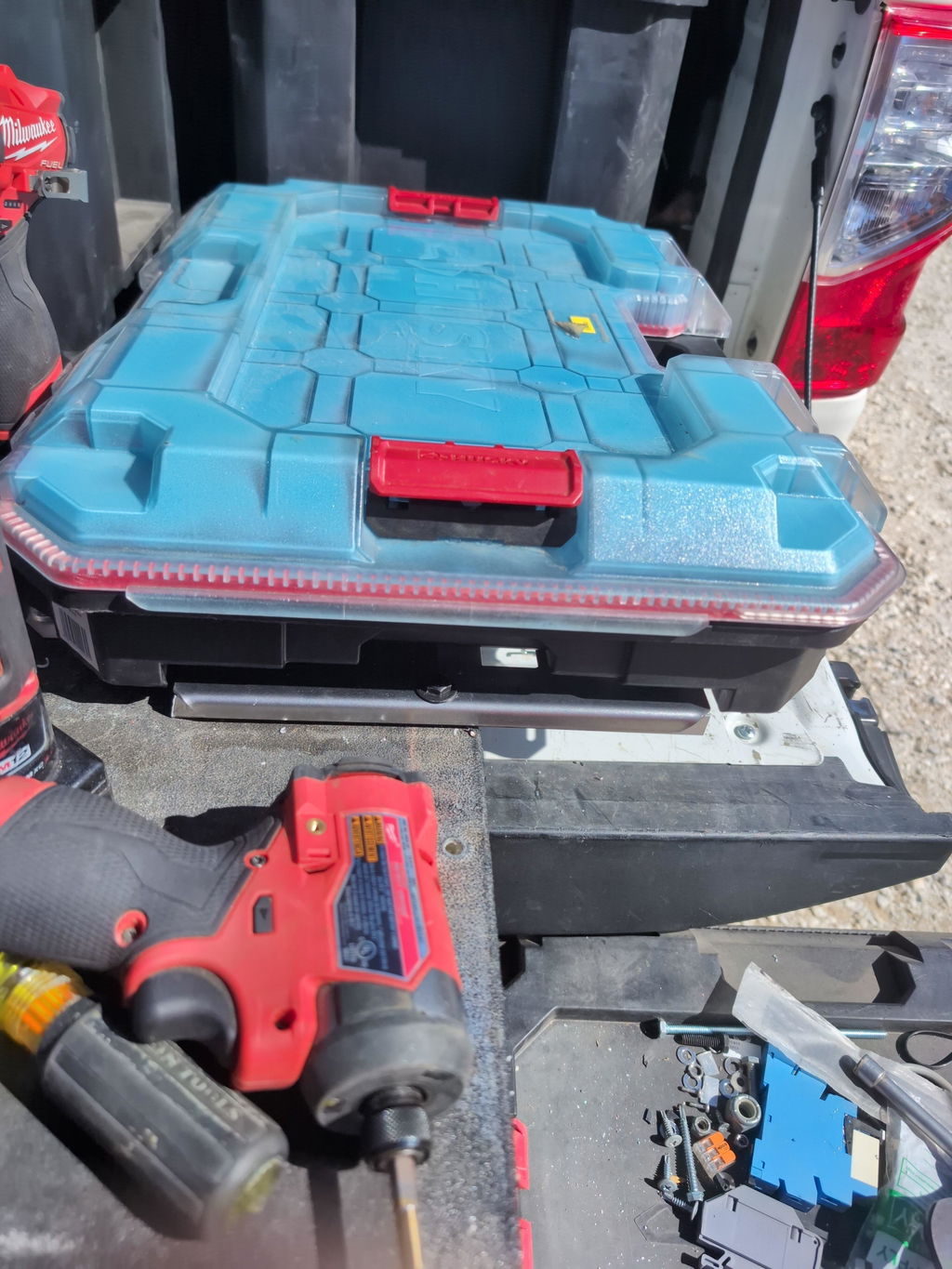
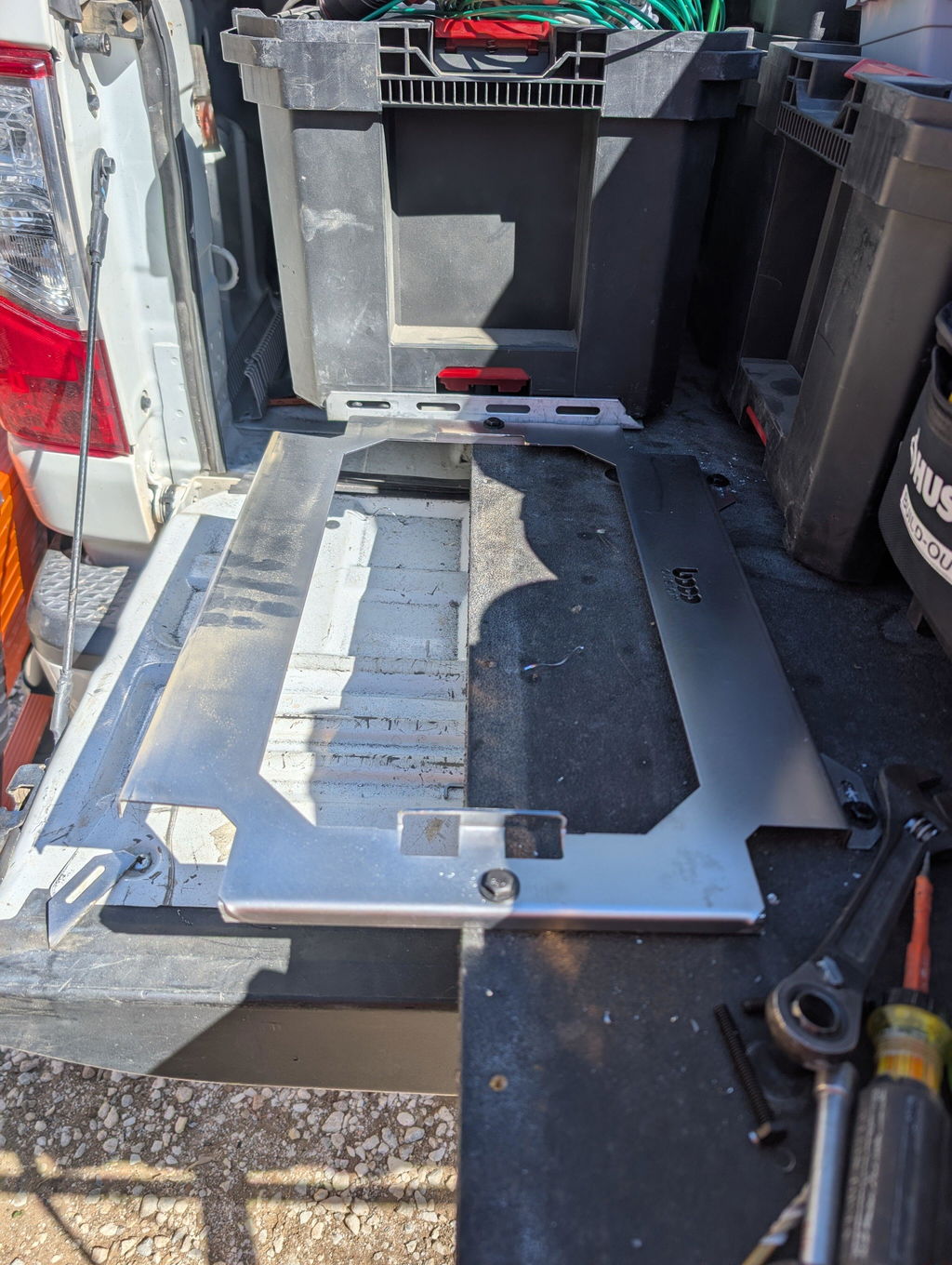
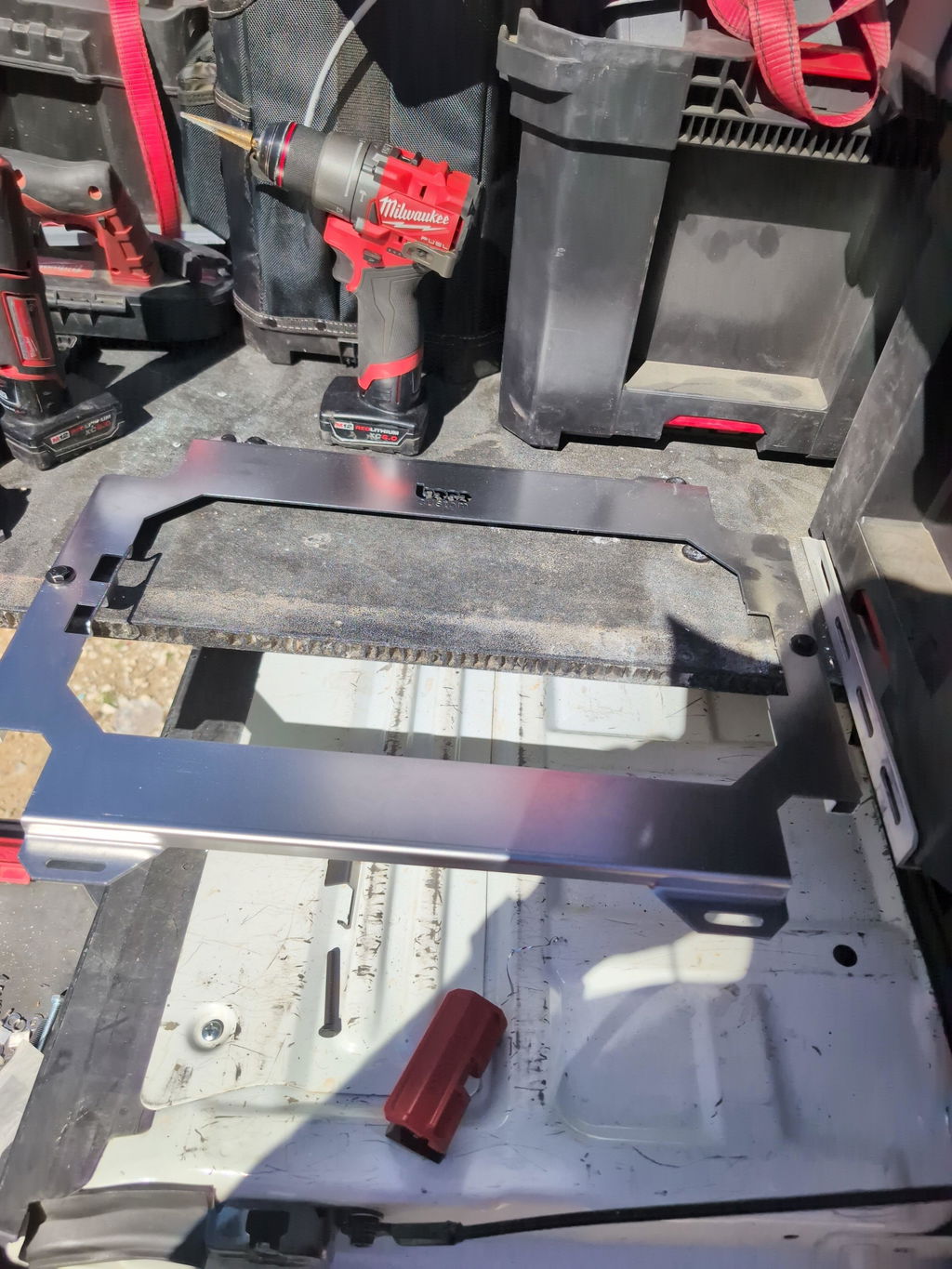
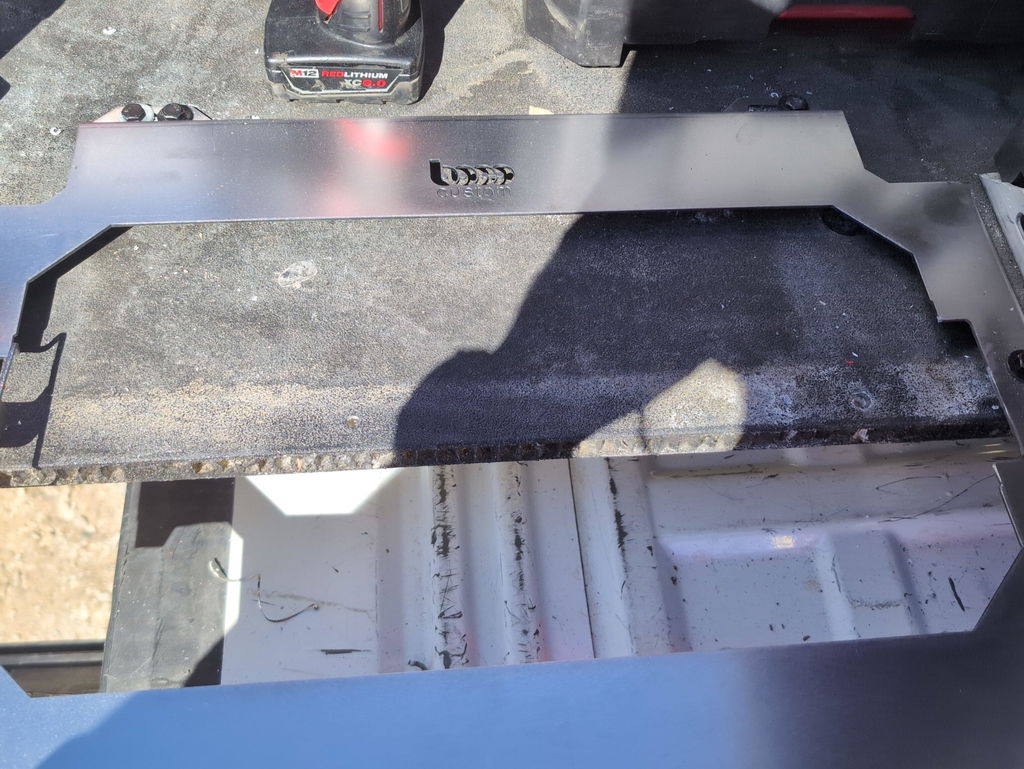
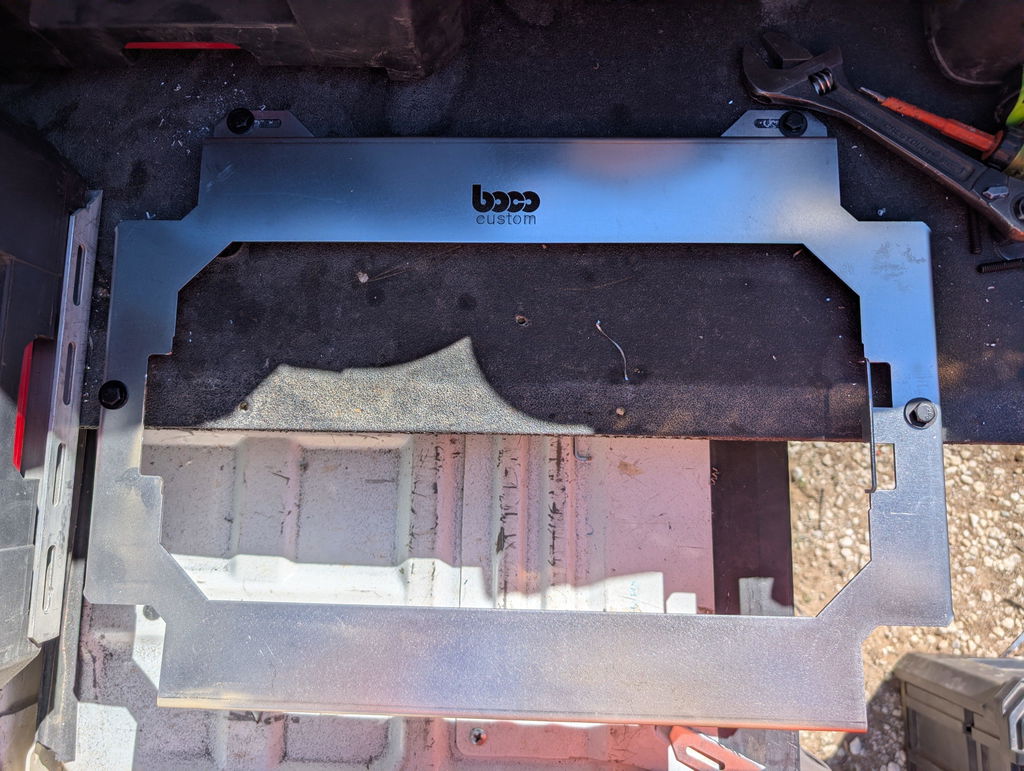
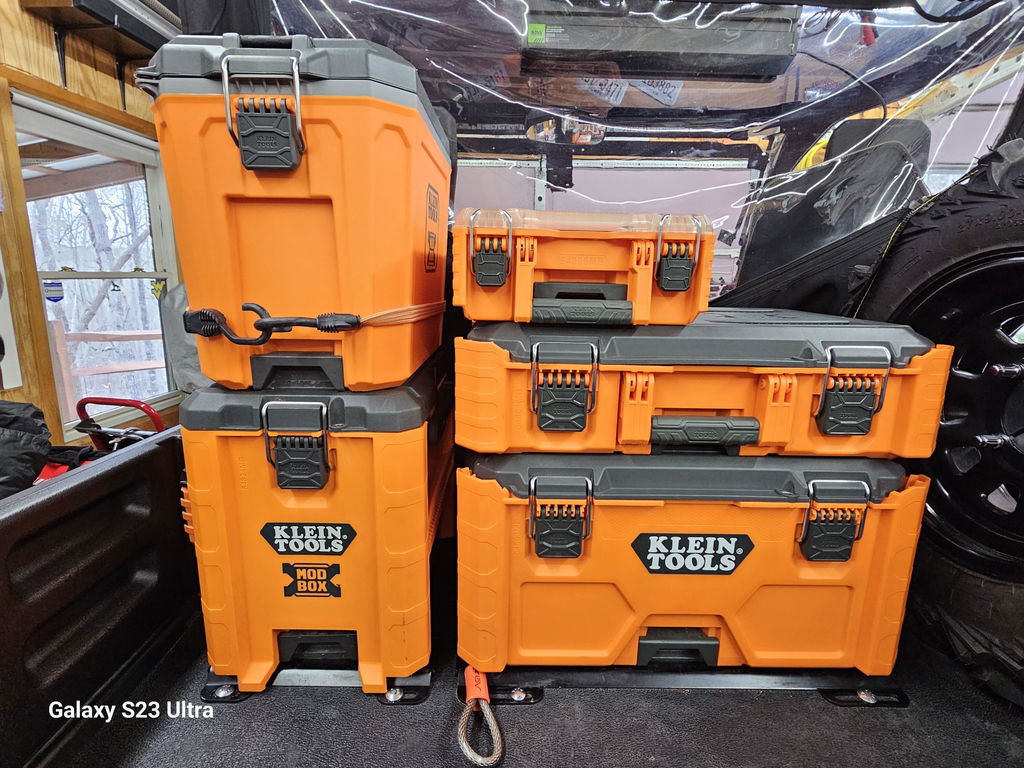
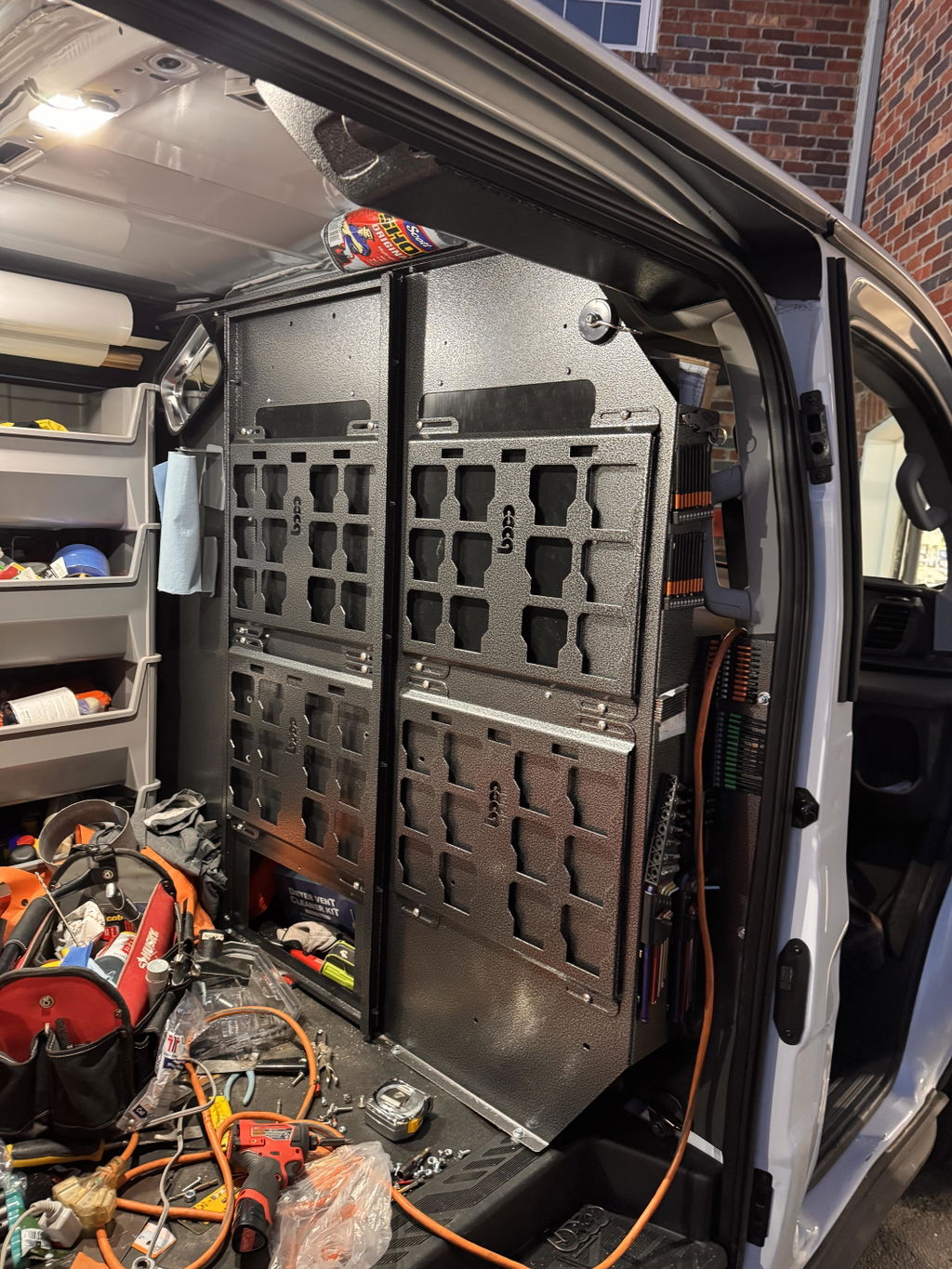
Not only is this way overbuilt for the price with its solid, confident craftsmanship, I am completely convinced that these guys are the best around when it comes to the packout platform.
I like these, they are much more compact than what Milwaukee offers. I had them powder coated in silver vain and they look awesome. I love the bonus half rack they sent me. That’s the mark of a nice company.


Dejar un comentario