Etsy vs. Specialized Fabricators: Choosing the Best Source for Custom Tool Organization Parts
The Rising Demand for Customized Professional Tool Storage
Professional trades are standardizing on modular systems for vans, trailers, and shop carts, but off-the-shelf accessories rarely match the exact layout of a service body or the weight and vibration profiles of daily field work. That gap is driving demand for custom tool organization parts that lock in gear, reclaim dead space, and speed up loadouts. Electricians, HVAC techs, and mobile fabricators want industrial-grade solutions that don’t rattle loose, snag cords, or eat into aisle width.
Several forces are accelerating this shift:
Productivity pressure: Faster swaps between jobs demand quick-connect, repeatable setups.
Vehicle constraints: Low-profile hardware preserves walkways and drawer clearance.
Safety and security: Rigid interfaces prevent shifting, protecting tools and vehicles.
Standardization: Uniform hole patterns and labeling across crews simplify training.
Fabrication readiness: Teams with in-house CNCs prefer machine-ready DXF files to build on demand.
Real-world needs illustrate the trend. An electrician outfitting a bulkhead may require dual heavy duty mounting plates to anchor cases while keeping conduit benders accessible. A service plumber might spec metal mounting bracket designs that contour around wheel wells and still clear hose reels. Mobile welders often choose industrial grade tool organizers with integrated tie-down slots and abrasion-resistant finishes to handle spatter, grit, and constant loading.
On the fabrication side, precision tool storage fabrication depends on clean, native geometry. Shops want dxf files for tool storage that include accurate hole patterns, consistent radii that reduce stress risers, and tolerances suited to laser cutting. Material callouts, bend allowances, and standoff spacing make the difference between a plate that fits first try and one that needs rework. Instant downloads let teams cut parts the same day and replicate them across multiple vehicles or crews.
BocoCustom reflects this demand with USA-made, low-profile, secure designs and laser-cut components built for field abuse. For fabricators, their instant-download DXF files enable same-day production and easy customization. And when teams prefer turnkey parts, BocoCustom’s heavy-duty mounting solutions and local pickup options help keep projects moving without compromising durability or fit.
Understanding the Difference Between Marketplace Sellers and Expert Fabricators
Marketplace platforms make it easy to find creative makers, but the range in materials, tolerances, and testing can be wide. Expert fabricators approach custom tool organization parts like engineered products, not crafts—using CAD-driven layouts, CNC laser cutting, and repeatable processes that stand up to jobsite abuse. For tradespeople who load, unload, and transport daily, that difference shows up in fit, durability, and long-term cost.
A specialist will specify material thickness (for example, 11–12 ga steel or aluminum with proper temper), fastener grade, and hardware locking methods, and will validate slot spacing against OEM footprints. Precision tool storage fabrication includes deburring, edge radiusing, and powder coat or coating prep to resist corrosion. You’ll also see attention to low-profile geometries to reduce snag points and prevent rattle in vehicles.
What separates a reliable source from a risky one:
Published load ratings and real-world vibration/shock testing for heavy duty mounting plates
Verified compatibility with Milwaukee Packout, Packout-compatible footprints, Husky, or DeWalt systems
Clear material specs and finishes, plus weld or bend details for metal mounting bracket designs
Consistent hole alignment and slot geometry tolerances for quick, square installs
Repeatable production and availability of replacements or matching parts months later
Consider a simple Packout plate as an example. A marketplace version may “fit,” but the hole pattern could be off by a millimeter, hardware might not countersink fully, and thin stock can oil-can under load. A specialist plate will have reinforced edges, tie-down points aligned to common rack layouts, and zero-interference clearances so latches engage cleanly—yielding an industrial grade tool organizer that won’t loosen over time.
Boco Custom operates on the specialist side, manufacturing USA-made, low-profile, heavy duty mounting plates for major tool systems with laser-cut precision and consistent finish quality. For fabricators, they also provide instant-download DXF bundles tailored to common storage ecosystems, enabling fast, accurate self-fabrication. If you need one-off custom metal signs or bespoke brackets, their custom design and laser cutting services help keep everything in spec and on schedule, with options for local pickup when timing matters.
Illustration for Etsy vs. Specialized Fabricators: Choosing the Best Source for Custom Tool Organization Parts
Assessing Material Quality: Professional Grade Steel vs. Decorative Metals
When you’re buying custom tool organization parts, the metal itself is the difference between a bracket that lasts for years and one that twists after the first site visit. Many marketplace listings are built from thin, decorative metals intended for wall art, not load-bearing duty. Flex, fastener pull-out, and fatigue cracking often show up quickly when 40–80 lb tool cases hit bumps in a work truck or are racked and unracked daily.
Look for verifiable material specs and thickness. Common professional choices include A36 hot-rolled or 1018 cold-rolled steel in 10–12 gauge (about 0.135–0.105 in), with minimum yield strengths around 36–50 ksi. Decorative options often use 16–18 gauge sheet (0.060–0.048 in), 5052-H32 aluminum (~28 ksi yield), or thin stainless; all can work for light-duty but usually require thicker sections, ribs, or gussets to match the stiffness and thread-holding power needed for industrial grade tool organizers. If a listing doesn’t state grade and gauge, assume light-duty.
Strength is only half the story—precision tool storage fabrication practices matter. Quality metal mounting bracket designs use tab-and-slot construction, bend reliefs, and countersunk or slotted holes that control tolerance stack-up and resist loosening under vibration. Hardware choices (rivnuts, PEM nuts, or tapped holes) dictate exact hole sizes and edge distances; slop here leads to misalignment, rattles, and wear.
Finishing and corrosion control affect real-world durability. Powder coat or zinc/e-coat outlasts spray paint in trucks and jobsite environments, especially where grit and solvents are present. Laser-cut edges should be clean, with heat-affected zones minimized to reduce brittleness near bends and hardware.
Before you commit, check for:
Published steel grade and gauge, not just “sturdy” claims
Real load guidance or test notes (static and in-vehicle vibration)
Hardware specifications and compatible systems (e.g., Milwaukee Packout)
Protective finish details and prep (debur, phosphate, powder coat)
Clear tolerances and dxf files for tool storage that include kerf/bend notes if you’re fabricating
Boco Custom focuses on heavy duty mounting plates and low-profile, secure solutions built in the USA with laser cutting. For fabricators, their instant-download DXF files streamline shop setup with ready-to-cut geometry, while their custom design and laser cutting services help you adapt mounts, brackets, and industrial organizers to your specific rig without compromising material quality. Local pickup is available for fast turnarounds.
Precision Fit: Ensuring Compatibility with Major Tool Storage Systems
Precision matters because the interfaces on major tool storage systems are engineered with tight tolerances. A plate that’s a millimeter off in cleat geometry or latch depth can rattle, pop loose, or prevent stacking. Marketplace listings often look similar, but differences in hole spacing, fastener clearance, and material thickness separate reliable custom tool organization parts from returns and re-dos.
Each brand has distinct engagement features that must be respected. Milwaukee Packout, DEWALT ToughSystem, and RIDGID Pro Gear use unique latch profiles, rib patterns, and rail heights that influence how heavy duty mounting plates seat and lock. Even finish choices affect fit; powder coat adds thickness, so competent fabricators offset dimensions to maintain a low-profile lockup that won’t interfere with lids, drawers, or adjacent bins.
Precision tool storage fabrication goes beyond drawing a rectangle with slots. It involves CAD models aligned to proven datum points, kerf compensation for laser cutting, edge deburring that preserves critical dimensions, and fixture-based test fitting on real boxes, drawers, and rails. Robust metal mounting bracket designs also consider load paths and vibration, ensuring industrial grade tool organizers stay secure on service trucks, trailers, and jobsite carts.
Use this quick compatibility checklist when evaluating parts or files:
Illustration for Etsy vs. Specialized Fabricators: Choosing the Best Source for Custom Tool Organization Parts
Confirm hole/slot patterns against the exact generation of the storage system and accessory.
Verify latch/cleat engagement, including uplift resistance and no-play fit under vibration.
Match material gauge and stiffness to the intended load and mounting span.
Check fastener head and washer clearance so hardware doesn’t foul latches or lids.
Account for coating thickness and edge breaks to preserve precise stack-up height.
Test drawer and tray clearance to avoid binding during open/close cycles.
Specialized fabricators like Boco Custom build to these standards, producing USA-made, laser-cut plates that are test-fit on major systems for consistent, low-profile engagement. They offer ready-to-use heavy duty mounting plates and instant-download dxf files for tool storage, so fabricators can cut in-house with confidence. When unique layouts are required, Boco Custom’s custom design and laser cutting services tailor metal mounting bracket designs to your kit—while local pickup keeps jobs moving fast.
The Benefits of Direct Support and Fabrication-Ready Design Files
For professionals investing in custom tool organization parts, direct access to the designer or fabricator eliminates guesswork. You get clarity on fit, load paths, and mounting methods before metal is cut, minimizing downtime and rework. This matters when parts must endure daily use, vehicle vibration, and tight storage tolerances in jobsite environments.
Specialized support also ensures compatibility with the storage ecosystem you rely on. For example, heavy duty mounting plates are designed around known hole patterns and fastener clearances for popular systems like Milwaukee Packout, so bins and drawers lock securely without wobble. You’ll get guidance on material thickness, fastener choices (rivnuts vs. through-bolts), and low-profile layouts that preserve drawer travel and lid clearance—key traits of industrial grade tool organizers.
Fabrication-ready files push these benefits further by aligning design intent with shop reality. With dxf files for tool storage, your team can laser cut and bend parts the same day, confident that bend allowances and kerf are already accounted for. This is how precision tool storage fabrication avoids trial-and-error and protects margins on tight schedules.
Look for design files and documentation that include:
Layer naming and colors for cut, etch, and bend lines
Specified material and thickness (e.g., 11-gauge steel or 5052-H32 aluminum)
Bend radii and allowances tied to your press brake tooling
Slotted features for tolerance stack-up and field adjustability
Countersink/counterbore callouts with hardware specifications
Kerf compensation and tab/lead-in strategy for laser cutting
Hole patterns mapped to OEM grids and locking geometries
Notes on finish (e.g., powder coat clearance) and grounding points
Consider a fleet upfit scenario: you need metal mounting bracket designs to integrate a compressor and a row of Packout crates on a service body. A fabrication-ready DXF provides the correct slot spacing, reinforcement ribs, and rivnut footprints, so your shop can cut on the laser in 3/16" steel, form on the brake, and install without redrilling. The result is a rigid, low-profile assembly that locks in accessories and survives road shock.
BocoCustom supports this workflow end-to-end with heavy duty mounting plates engineered for major tool systems and instant-download DXF files tailored for fabrication. Their USA-made parts, laser cutting expertise, and custom design services help you dial in secure, low-profile solutions—whether you’re ordering finished hardware or producing components in-house. For local teams, pickup and quick iteration make it even easier to keep trucks and shops organized and productive.
Evaluating Long-Term Performance and Reliability for Mobile Workshops
Mobile workshops expose custom tool organization parts to continuous vibration, temperature swings, and sudden loads. Long-term reliability depends on material choice, joint design, coatings, and consistent tolerances—not just appearance. Marketplace offerings on Etsy can vary widely; some are excellent, while others use thin sheet, 3D prints, or low-grade hardware that deform or loosen under real-world use.
For heavy duty mounting plates, look for 10–12 gauge steel or 1/8-inch aluminum, formed flanges or gussets, and captive hardware such as PEM nuts to prevent thread wear. Robust metal mounting bracket designs should be CNC laser cut for precise geometry, then deburred to remove sharp edges that can abrade straps or wiring. Durable finishes like powder coat or zinc plating slow corrosion from road salt and humidity, extending service life.
Fitment is equally critical. Precision tool storage fabrication for systems like Milwaukee Packout requires slot geometry and tab clearances that hold tight tolerances (for example, ±0.010 in) to prevent rattle while allowing quick engagement. Low-profile parts protect aisle clearance and door swing, while features like anti-vibration pads, keyhole retention, and radiused corners reduce noise and fatigue failures over thousands of miles.
Illustration for Etsy vs. Specialized Fabricators: Choosing the Best Source for Custom Tool Organization Parts
Validation separates industrial grade tool organizers from hobby builds. Reputable suppliers publish load guidance, provide mounting instructions, and support standardized hardware selections. Boco Custom focuses on USA-made, laser-cut, low-profile plates built for mobile environments and offers instant-download dxf files for tool storage so fabricators can cut parts locally with confidence. Whether you need a rigid bulkhead plate for a Packout stack or a custom bracket for a service cart, their approach helps ensure consistent, repeatable performance.
Use this quick evaluation checklist before buying or fabricating:
Material and thickness, with alloy/grade specified
Coating and prep (powder coat, zinc, or stainless), with corrosion rationale
Hardware grade and thread strategy (captive nuts, rivnuts vs. self-tappers)
Edge finishing and deburring to prevent abrasion
Documented tolerances and a compatibility list for your system
Clear instructions, CAD/DXF availability, and support for replacements
Warranty, return policy, and realistic lead times
For mobile workshops, specialized fabricators like Boco Custom reduce risk and downtime by pairing engineered designs with consistent production and documentation.
Conclusion: Selecting the Optimal Fabrication Partner for Your Tools
Choosing the right source for custom tool organization parts comes down to risk, repeatability, and total cost of ownership. For professional crews, downtime and rework are far more expensive than the price difference between options. Prioritize partners that can prove material specs, tolerances, and real-world durability.
Marketplaces can work for one-off brackets or cosmetic pieces, but quality and CAD accuracy vary widely between sellers. Specialized fabricators are better suited when parts see daily loads, vibration, weather, and frequent reconfiguration. You gain predictable materials, consistent hole patterns, and finishes that stand up on the job.
Use these criteria to decide:
Load and vibration: Daily transport, off-road use, or ladder-rack travel need heavy duty mounting plates and reinforced joints.
Fit and tolerances: Exact hole patterns for major systems (e.g., Milwaukee Packout) and repeatable alignment to avoid rattle.
Materials and thickness: Clearly stated steel/aluminum grades and gauges, plus corrosion-resistant finish options.
Process capability: Laser cutting, deburring, forming, and fixture-based assembly for precision tool storage fabrication.
Documentation: Accurate models and dxf files for tool storage, hardware lists, and install guidance.
Scalability and lead time: Ability to deliver identical parts for fleet rollouts or staggered builds.
Support and service: Warranty, responsive help, and options like local pickup.
Customization: Willingness to iterate on metal mounting bracket designs for unique vans, carts, or racks.
Consider a service van upfit where multiple plates must tie into ribs, wall rails, and Packout interfaces. A misaligned pattern or soft material can cause fasteners to loosen and organizers to drift, creating noise and potential damage. A specialized shop’s industrial grade tool organizers and jig-cut components keep alignment tight over thousands of miles.
BocoCustom is a strong fit for pros who need low-profile, secure parts without guesswork. They offer USA-made heavy duty mounting plates for major tool systems, instant-download DXF files for fabricators, and custom laser cutting when your layout demands a unique bracket. With local pickup and precise CAD, you can either buy finished plates or cut in-house from verified files.
In short, use marketplaces for inexpensive experiments, but rely on a specialized fabricator when safety, uptime, and repeatability matter. Choose partners who publish specs, provide documentation, and stand behind their work—BocoCustom included. That approach keeps your tools secure, your installs clean, and your crews efficient.
Standard shipping takes 5 to 7 business days. Express (2 to 3 days) and overnight options are available at checkout. Orders over $50 ship free.
Can I order online and pick up in store?
Yes. Select "Pick up in store" at checkout and choose your nearest location. Most orders are ready within 2 hours.
What if my order arrives damaged?
Contact us within 7 days of delivery with your order number and a photo. We'll arrange a replacement or refund, no return shipping required.
AI-Generated Content Disclosure
This blog post was created with the assistance of RankGPT, an AI-powered tool designed to generate high-quality, SEO-optimized content at scale.
As a small business embracing modern technology, we use AI to help us:
Produce informative articles more efficiently
Increase our online visibility through better performance in traditional search engines (like Google) as well as emerging AI-powered searches and answer engines
Reach more potential customers and grow our presence in a competitive digital landscape
By leveraging tools like RankGPT, we're able to publish valuable content more consistently and scale our efforts in ways that would otherwise take significantly more time and resources.
Important notes for readers:
While RankGPT helps create well-structured and relevant content based on current best practices, AI-generated posts are not always 100% accurate, complete, or free from errors.
The information, opinions, and perspectives expressed may not fully reflect the exact views, experiences, or official positions of Boco Custom, its team members, or the individuals involved in our business.
AI content should be viewed as a starting point or general resource—not as personalized professional advice, definitive facts, or a substitute for direct consultation with us or qualified experts.
We always recommend verifying important details independently, especially for decisions related to custom products, services, or any business matters.
We are committed to transparency and continually work to improve our content. If you have questions, feedback, or spot any inaccuracies, please reach out—we genuinely appreciate it!
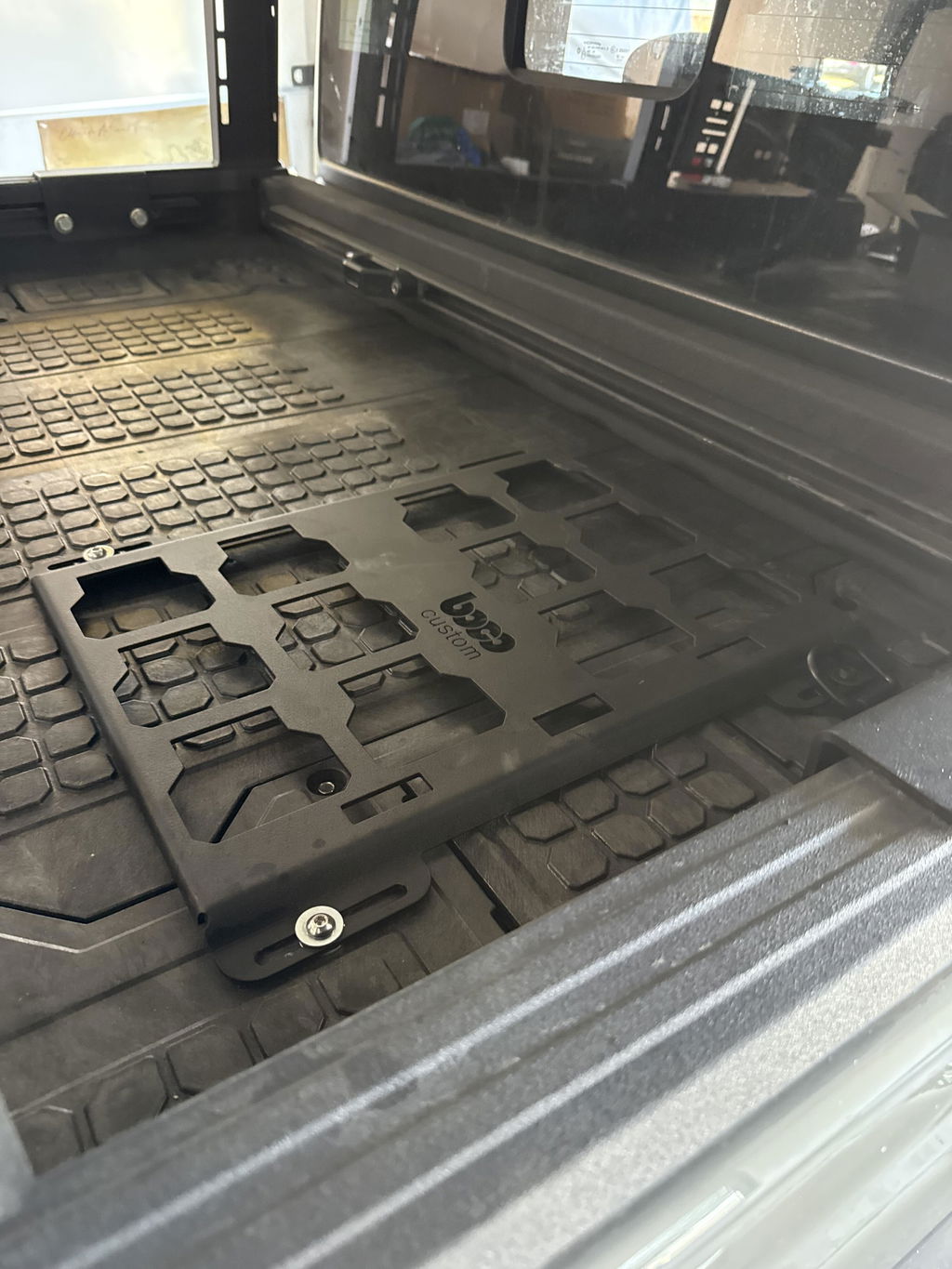
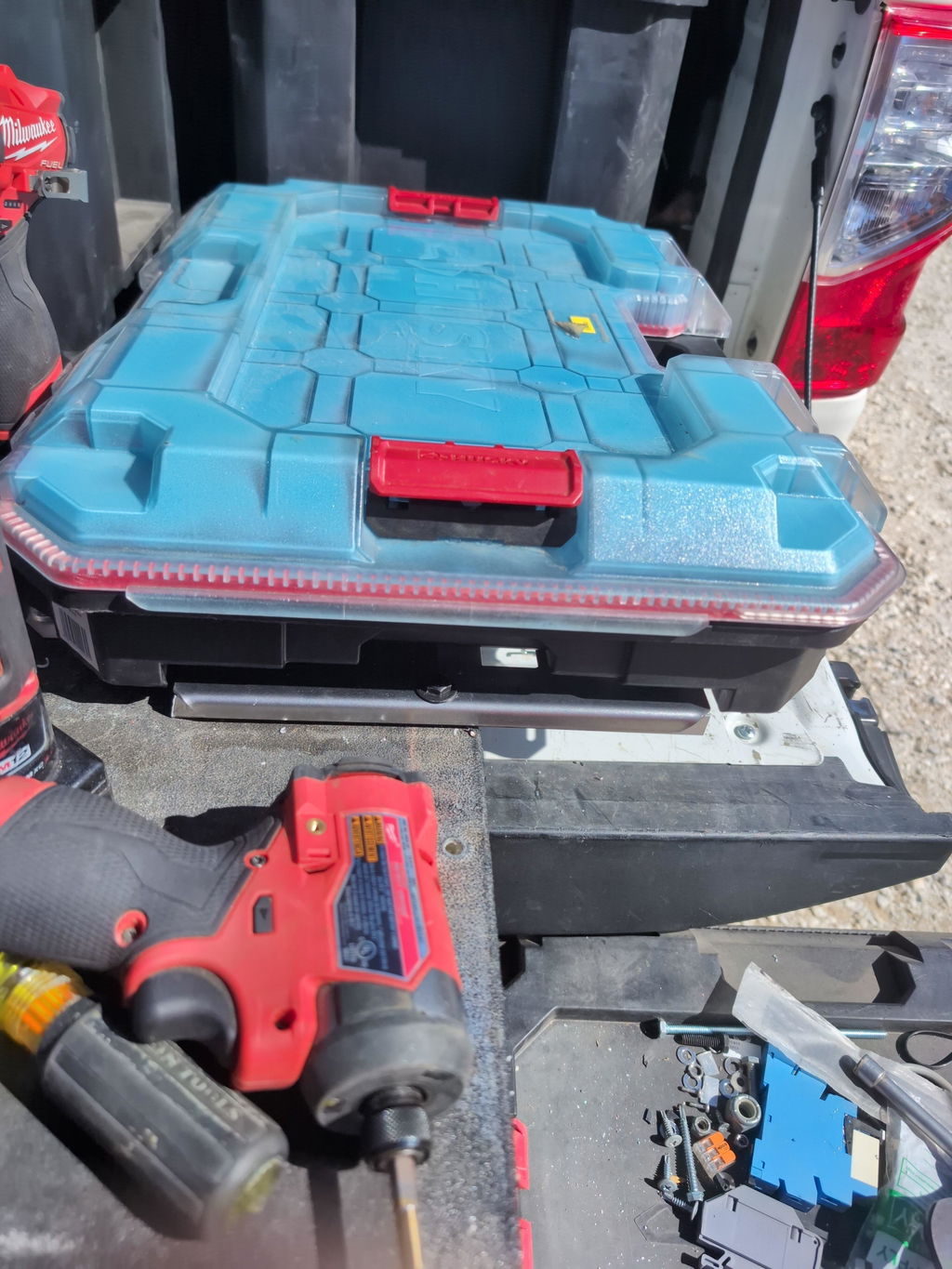
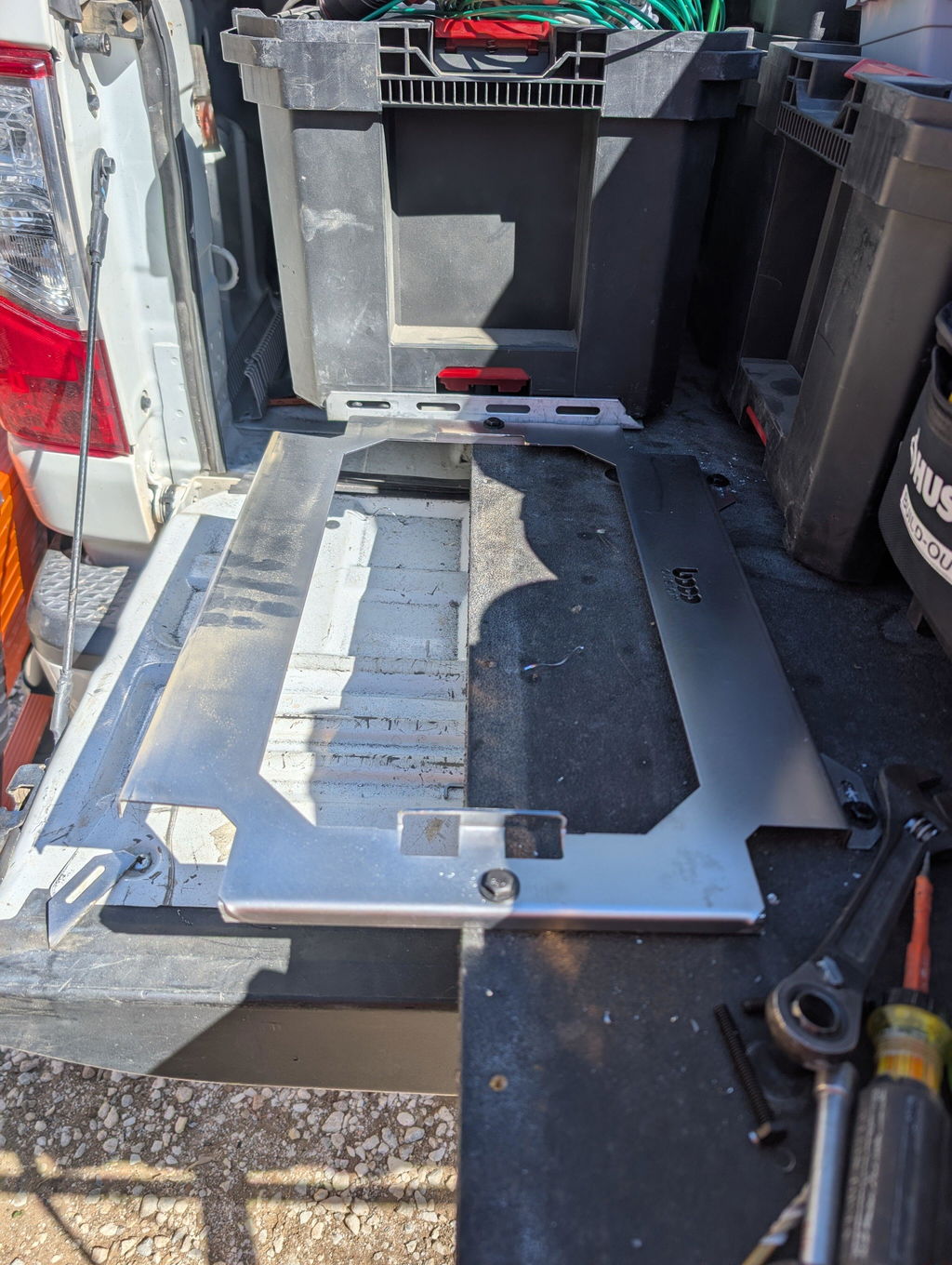
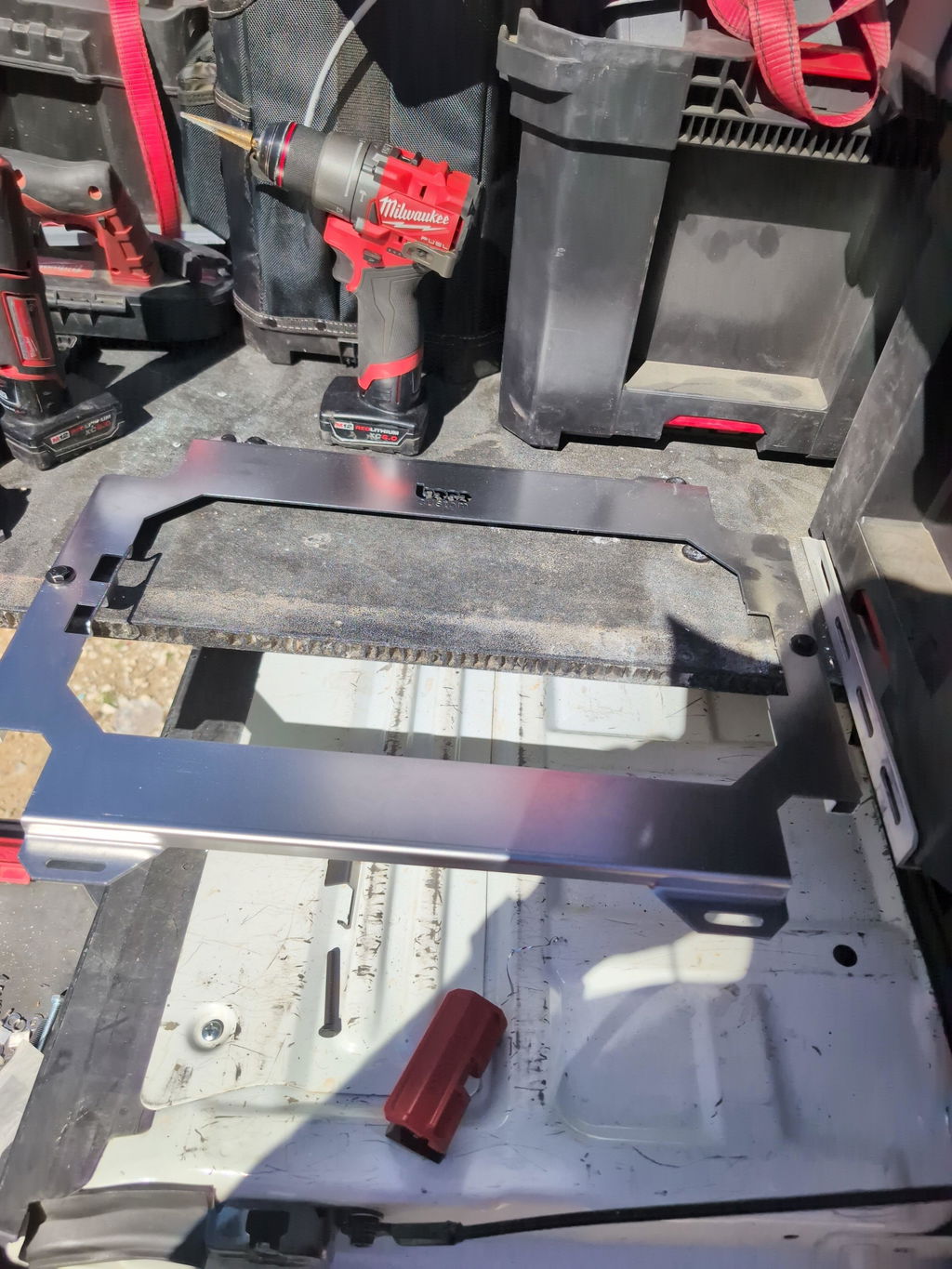
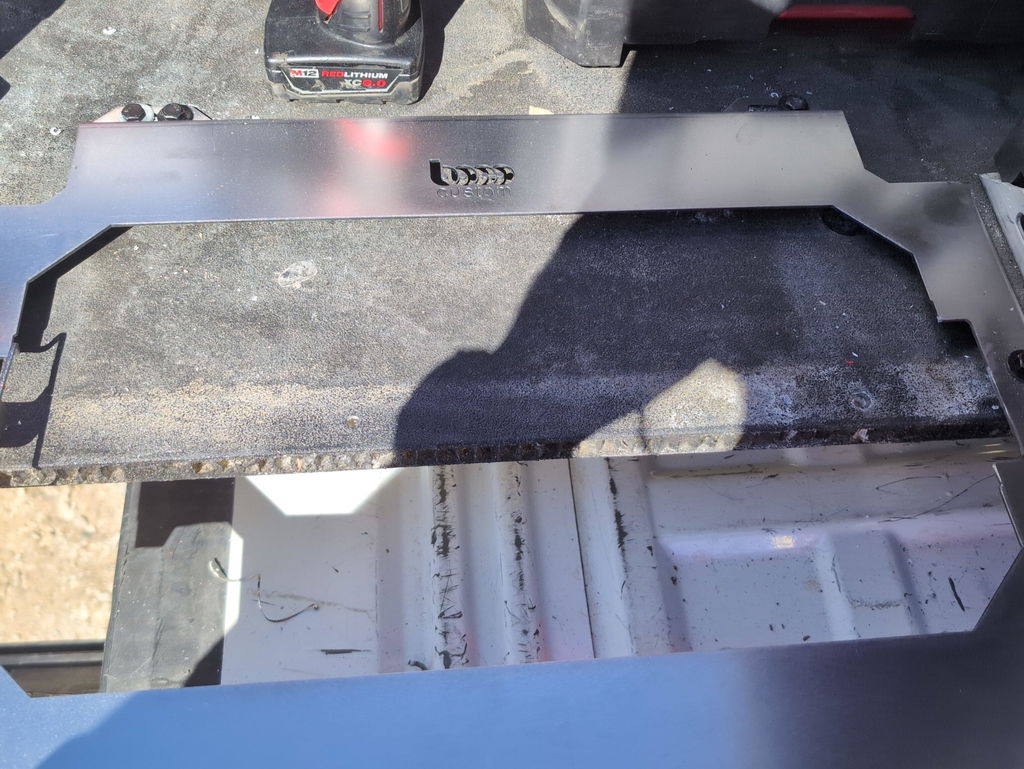
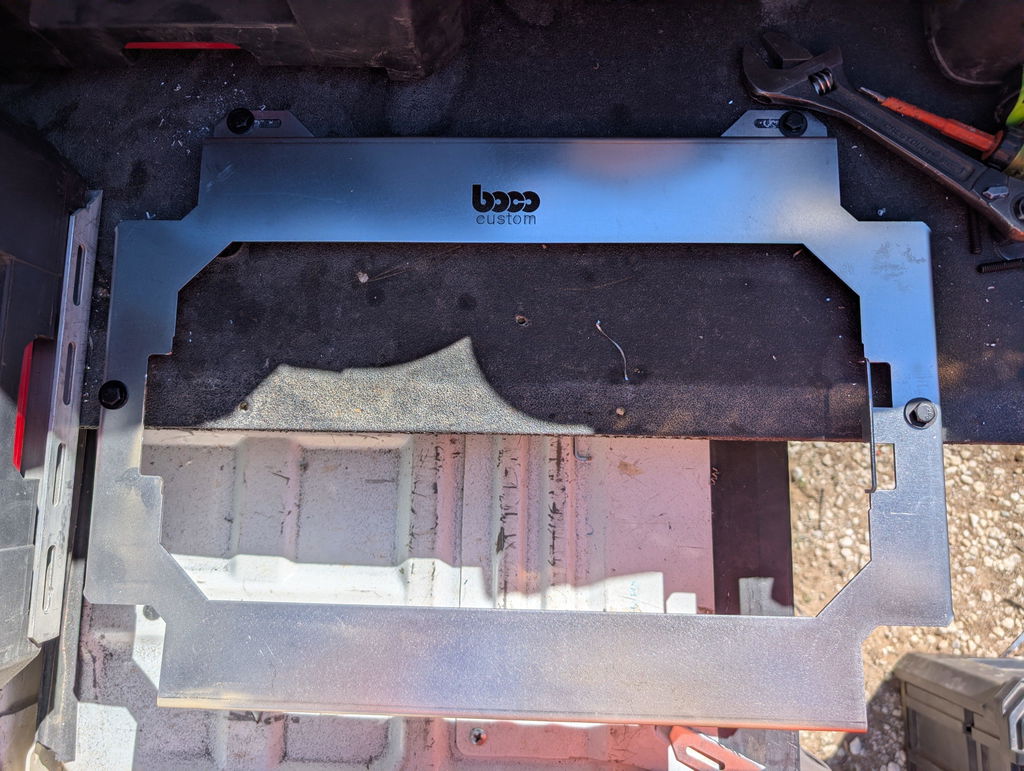
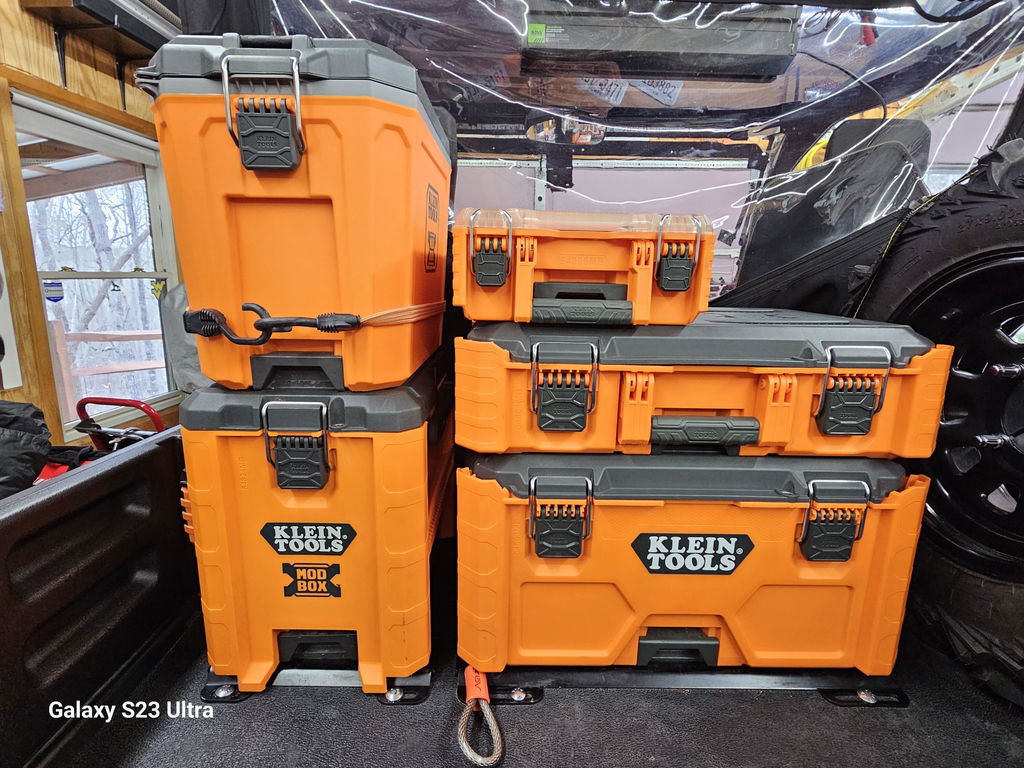
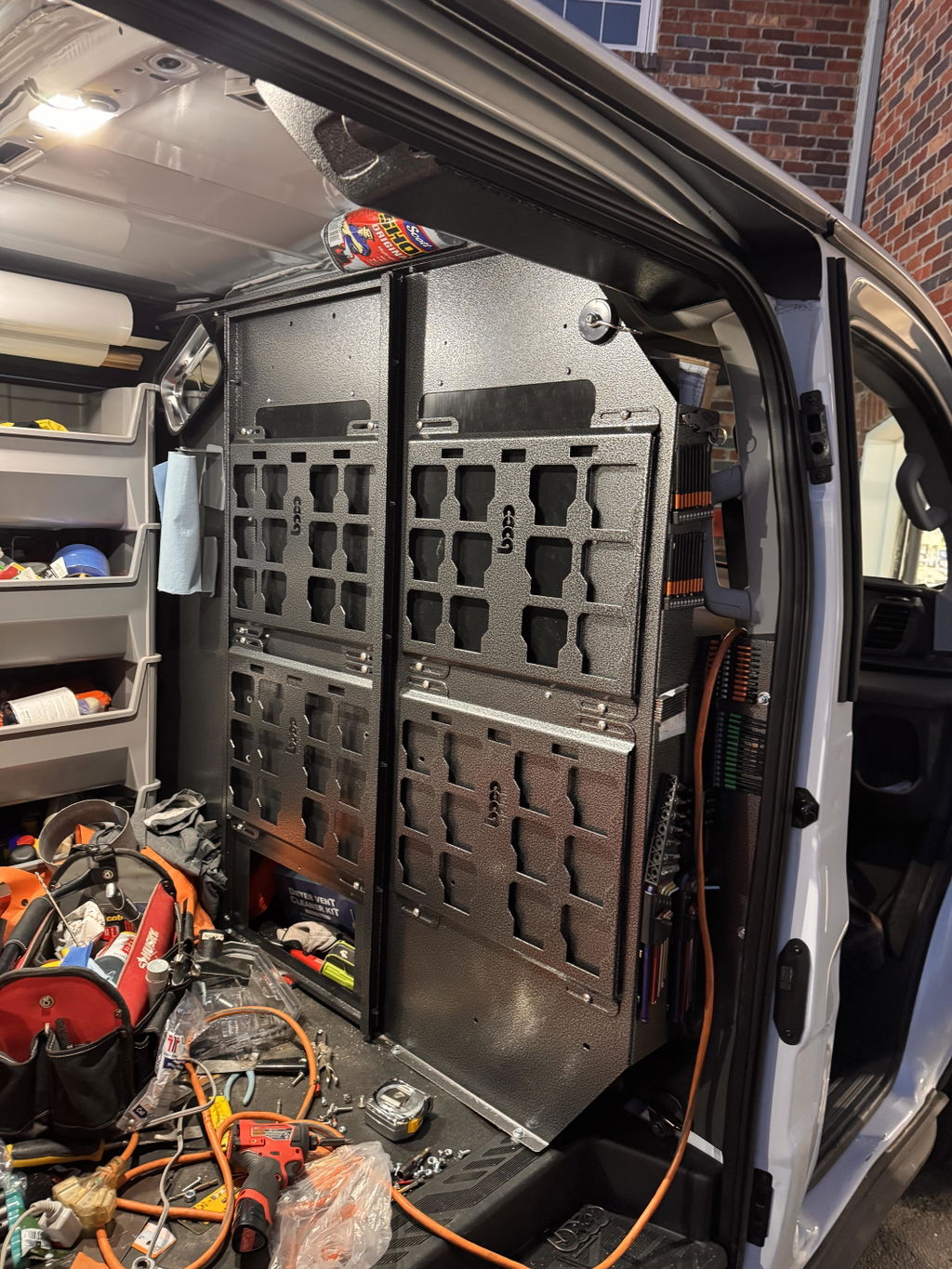
Not only is this way overbuilt for the price with its solid, confident craftsmanship, I am completely convinced that these guys are the best around when it comes to the packout platform.
I like these, they are much more compact than what Milwaukee offers. I had them powder coated in silver vain and they look awesome. I love the bonus half rack they sent me. That’s the mark of a nice company.


Dejar un comentario