Maximize Tool Security: Why Steel Mounting Plates Outperform for Professional Organization
Introduction: Professional Tool Organization Needs
When your livelihood rides in the back of a van, on a service cart, or in a jobsite trailer, organization isn’t cosmetic—it’s risk management. Every pothole, hard brake, and door slam stresses the system that holds your tools. Unsecured boxes shift, latches fatigue, and ad‑hoc straps eat time on every call. The result is lost productivity, increased damage, and real safety hazards.
Professional tool storage has to survive the workday realities of construction, maintenance, and fabrication. That means stable retention under vibration, predictable access on tight timelines, and deterrence against opportunistic theft. It also means layouts that scale as your kit evolves, whether you’re running a Milwaukee Packout stack, shelving in a high-roof van, or a mixed setup across multiple vehicles.
This is where steel tool mounting plates change the equation. By creating a rigid, precise interface to popular systems, they convert mobile stacks into anchored modules. Compared with ad‑hoc brackets or light-duty plastics, durable equipment plates resist deformation, spread dynamic loads, and maintain latch alignment over time—critical for secure tool organization on the move.
Consider common scenarios:
An electrician brakes hard in city traffic; a 60 lb stack can momentarily exert several times its static weight. Heavy duty tool mounts must keep the base locked without bending or tearing fasteners.
An HVAC tech runs gravel access roads daily; constant vibration loosens inferior mounts. Steel plates preserve tolerances so boxes still click in one-handed at the next service call.
A carpenter loads sheet goods alongside tool cases; low-profile plates prevent snags and protect latches while maximizing aisle clearance.
Beyond retention, pros need repeatability. Standardized mounting points, uniform hole patterns, and predictable clearances let you clone an efficient layout across trucks and shop benches. For fabricators, downloadable DXF files enable you to integrate plates into custom racking, drawer systems, or welded partitions with exact fitment—no guesswork, no rework.
Key selection criteria for trade tool transport:
Verified load capacity under dynamic forces
Corrosion resistance (powder-coated or equivalent)
Low-profile geometry that preserves cargo space
Compatibility with major ecosystems and common fasteners
Simple installation and service access
Options for vertical, horizontal, and overhead mounting
Boco Custom focuses on these requirements with steel tool mounting plates designed for real jobsite abuse. Plates are low-profile, powder-coated, and built to anchor major tool systems securely. For those building their own solutions, instant-download DXF files support precise fabrication. Same-day shipping keeps projects moving, and local pickup helps regional crews minimize downtime.
When the day’s work depends on fast access and zero surprises, the right plate is infrastructure—not an accessory.
The Superiority of Steel for Tool Mounts
In demanding work vans, service trucks, and site boxes, steel tool mounting plates deliver the strength, stiffness, and longevity professionals rely on. Compared with aluminum or polymer panels, steel offers a higher modulus of elasticity—about three times that of aluminum—so plates deflect less under load. That stiffness lets you run thinner, low-profile panels without sacrificing capacity, keeping drawers, sliding trays, and cargo doors operating smoothly.
For heavy duty tool mounts that see daily vibrations and impacts, fatigue performance matters. Steel’s superior fatigue resistance helps fasteners stay tight and interfaces remain solid over time. Threads last longer, and repeated attachment cycles—snapping a Milwaukee Packout base in and out, or moving a vise or compressor between stations—don’t chew up mounting points the way soft materials can.
Security is another advantage. When you need secure tool organization in a truck bed or enclosed trailer, steel resists prying and deformation better than lighter alloys or plastics. It also accepts tamper-resistant hardware, welded studs, or captive nuts for theft-resistant assemblies without bulky brackets.
Corrosion protection is straightforward. Powder-coated steel tool mounting plates combine a tough finish with edge coverage that stands up to weather, road grime, and jobsite abuse. In real use, a powder-coated plate in a pickup bed will shrug off wet lumber, spilled concrete, and strap abrasion far longer than painted or raw alternatives.
Fabrication flexibility is a final edge. Steel is easy to laser-cut, form, and weld, enabling clean countersinks, reinforced bends, and integrated tie-down points. If you’re a fabricator, accurate DXF files mean you can cut plates that hit manufacturer hole patterns precisely—critical for professional tool storage systems—then choose your preferred thickness (for example, 12-gauge for lighter builds or 10-gauge where extra rigidity is needed).
Consider a common setup: a low-profile steel plate mounted to a van bulkhead carrying stacked tool boxes, a compact compressor, and a hose reel. With steel, the plate stays flat, the compressor bracket doesn’t wobble, and the reel’s fasteners don’t elongate their holes after months of bouncing over jobsite ruts. The result is quieter operation, fewer re-tightens, and better protection for expensive tools during trade tool transport.
Key takeaways:
Illustration for Maximize Tool Security: Why Steel Mounting Plates Outperform for Professional Organization
Higher stiffness enables thinner, low-profile designs without flex.
Better fatigue and thread durability for long-term reliability.
Enhanced security with robust hardware and weld-ready features.
Powder-coated finish for durable equipment plates in harsh environments.
Precise fabrication via instant-download DXF files for custom or production runs.
For teams serious about secure tool organization and dependable uptime, steel remains the material that consistently performs where it counts.
Unrivaled Durability for Everyday Trades
Daily jobsite abuse exposes weak links fast. Steel tool mounting plates close that gap by pairing material strength with purpose-built geometry, so your setup stays solid whether it lives in a van, a trailer, or a service cart. Compared to plastic or thin aluminum, steel resists deformation, holds fasteners tighter under vibration, and tolerates repeated impacts without cracking—key advantages for secure tool organization in the field.
Boco Custom builds heavy duty tool mounts for the professional tool storage systems tradespeople rely on, including popular platforms like Milwaukee Packout. The low-profile footprint keeps weight close to the deck, reducing leverage on fasteners and minimizing flex when drawers slam, vehicles bounce, or carts are rolled over thresholds.
Where durability matters most:
Impact and vibration: Steel’s superior fatigue resistance helps plates maintain clamp load under washboard roads, jobsite bumps, and daily tool handling.
Concentrated loads: Dense toolkits, battery banks, and compressors can create point stresses. Steel spreads the load and resists elongating bolt holes over time.
Thermal swings and exposure: From cold morning starts to hot summer interiors, steel maintains dimensional stability. A quality powder coat adds corrosion resistance against moisture and road grime.
Fastener integrity: Steel around mounting points is less likely to mushroom or strip, keeping hardware secure through repeated removals and re-installs as your layout evolves.
For electricians, HVAC techs, and carpenters who rely on professional tool storage, the payoff is predictable: fewer midweek re-tightens, fewer rattles, and less downtime re-rigging. In trade tool transport, that stability translates into protected tools, quieter rides, and a longer service life for your cases and cabinets.
Details that extend service life:
Low-profile, secure designs reduce snag points and preserve drawer and hatch clearance.
Precision-cut hole patterns align with major systems, eliminating guesswork and speeding installs.
Powder-coated finishes resist scratching and corrosion for cleaner, longer-lasting plates.
Fabricators can go a step further with Boco Custom’s instant-download DXF files. Cut your own durable equipment plates from the steel thickness your application demands, integrate custom patterns, or brand fleet builds—all while preserving the robust performance that steel provides.
Whether you’re outfitting a single service truck or standardizing a shop fleet, steel tool mounting plates offer the most reliable foundation for professional tool storage. Built to take hits, hold torque, and keep working, they’re the practical choice when uptime and organization matter.
Enhanced Security and Low-Profile Design
Security starts at the mounting interface. Steel tool mounting plates resist flex and deformation under dynamic loads, keeping latches fully engaged and tools locked in place through potholes, jobsite vibration, and daily handling. Compared to plastic or thin aluminum, steel’s higher stiffness limits deflection, which reduces fastener loosening and prevents latch misalignment that can lead to accidental releases.
A low-profile footprint compounds that security. Lower stack height brings the center of gravity closer to the mounting surface, making tip-overs less likely when a drawer slides open or a van takes a hard turn. It also preserves clearances—drawer faces still close, aisle space stays usable, and shelves don’t need to be shimmed. When you can mount flush to floors, bulkheads, or drawer tops, there’s less to snag and fewer pry points for opportunistic tampering.
For professional tool storage built to work hard, look for heavy duty tool mounts with features that reinforce both security and usability:
Steel construction to minimize flex and maintain latch geometry over time.
Low-profile geometry that keeps the system sleek and stackable without sacrificing strength.
Precise hole patterns matched to major ecosystems (e.g., Milwaukee PACKOUT, DeWalt ToughSystem, Ridgid Pro Gear) so totes and organizers lock in exactly as intended.
Powder-coated finishes for corrosion resistance and abrasion durability in trucks, trailers, and site boxes.
Real-world example: mounting a PACKOUT-compatible plate to a service van’s floor. A steel, low-profile plate lets organizers click in securely without raising the deck height, so sliding cargo across the floor doesn’t hang up. In a service body drawer, the same plate enables secure tool organization while keeping the top surface nearly flush, preserving the drawer’s full usable volume.
Boco Custom engineers durable equipment plates specifically for these use cases. Their steel, low-profile designs are powder-coated for longevity and are available for the most common professional tool storage systems. For fabricators, instant-download DXF files provide exact geometries for CNC cutting, allowing you to integrate plates into custom drawer tops, bulkheads, or welded racks while maintaining the same low-profile, lock-in performance.
To maximize security during trade tool transport:
Through-bolt with backing plates wherever possible; avoid relying solely on thin sheet metal.
Use threadlocker and proper torque to prevent vibrational loosening.
Choose anti-tamper fasteners (e.g., security Torx) in exposed locations.
Inspect latch interfaces periodically to ensure debris isn’t compromising engagement.
When the goal is secure tool organization that stays put and out of the way, steel tool mounting plates with a low-profile build offer the most reliable foundation—and they scale from a single drawer to a fully outfitted fleet.
Illustration for Maximize Tool Security: Why Steel Mounting Plates Outperform for Professional Organization
Boosting Workflow Efficiency and Portability
Speed on the job starts with predictable access. Steel tool mounting plates create a consistent base across vans, jobsite carts, and shop walls so the same tools live in the same place every time. That repeatability cuts search time, reduces setup, and keeps crews moving.
Because steel resists flex, heavy duty tool mounts stay aligned under load and vibration. Tools return to their exact locations after every drive, which is critical for secure tool organization during trade tool transport. A low-profile plate preserves aisle space in service vehicles and slides cleanly under shelves or into tight compartments without snagging straps or cords.
Consider an electrician running Milwaukee-style storage in a service van. A steel plate on the bulkhead and a matching plate on a rolling cart use the same layout for testers, crimpers, and battery chargers. Modules move from van to cart without re-rigging, and the footprint remains compact for navigating elevators and doorways. For a finish carpenter, a plate mounted to a torsion-box cart keeps nailers, fasteners, and sanders locked down during transit, then positioned waist-high for rapid task switching on site.
Durability matters when equipment is dense and expensive. Powder-coated, durable equipment plates withstand abrasion from steel cases, magnetic bases, and battery packs. They wipe clean of concrete dust and metal swarf, and the finish helps resist corrosion in damp conditions. Low-profile, secure designs reduce leverage on fasteners, minimizing loosening over time.
Fabricators gain another layer of efficiency with instant-download DXF files. Load the file into a CNC laser or plasma, cut the plate in-house, and integrate exact hole patterns for your brand of professional tool storage. Add tapped holes for rivnuts, slots for cable management, or mirrored layouts for left/right van walls. Iterating digitally beats trial-and-error, shortens lead time, and improves material yield by nesting parts.
Practical gains you can measure:
Faster load-in/load-out with standardized layouts across platforms
Fewer trips and fewer straps thanks to rigid, secure mounting
Space savings from low-profile hardware that doesn’t steal vertical clearance
Safer, quieter transport with less tool movement over potholes and gravel
Quick reconfiguration as crews, vehicles, or tool sets change
Minimal downtime with same-day shipping or local pickup when timelines are tight
Steel tool mounting plates also scale well. Start with a single panel for high-use tools, then add plates in service bodies, enclosed trailers, and shop stations for a unified system. As teams grow, anyone can find the right tool fast, and the whole operation benefits from the tighter rhythm that professional tool storage enables.
Customization Options and Fabrication Benefits
Steel tool mounting plates aren’t one-size-fits-all. The right setup adapts to your workflow, vehicle, and tool system while staying low profile and secure. Boco Custom builds around that reality with configurable plates, accessories, and ready-to-cut files that let you dial in fit and function without compromise.
Common customization options include:
Hole patterns matched to major systems like Milwaukee Packout, plus add-on rows for future expansion
Alternate footprints for vans, service bodies, carts, and shop walls, keeping profiles tight to prevent snags
Integrated tie-down points, D-ring mounts, and cable-lock pass-throughs for added security
Slotted adjustment for aligning to uneven surfaces and accounting for bed liners or bulkheads
Gusset locations and weld-on tabs for fabricators who want added stiffness or unique mounting geometry
Color-coded powder-coated finishes to segment kits by crew, trade, or vehicle
Branding through precision-cut logos or companion custom metal signs to label stations and inventory zones
For fabricators, the instant-download DXF files are a force multiplier. Instead of reverse-engineering hole spacing or guessing slot tolerances, you get dimensionally precise patterns designed for laser, waterjet, or CNC plasma. That means:
Faster turnarounds with clean, accurate cuts on the first run
Consistent, repeatable plates across a fleet, reducing downtime and standardizing installs
Easy iteration—edit the DXF to add anchor points, wire grommets, drainage, or edge radii suited to your process
Reduced waste by nesting parts efficiently and selecting the steel thickness your application demands
Because the plates are engineered as heavy duty tool mounts with low-profile geometry, they maintain clearance in drawers, on shelves, and along bulkheads. Tight tolerances minimize rattle during trade tool transport, and flat interfaces spread load to protect both the mounting surface and the equipment. Pairing these durable equipment plates with tamper-resistant hardware further enhances secure tool organization in high-traffic or shared environments.
If you don’t need to fabricate, Boco Custom’s powder-coated steel tool mounting plates ship same day when in stock, letting you upgrade professional tool storage without disrupting the schedule. Need it now? Local pickup is available. Prefer to build in-house? Start with a DXF, cut from your preferred steel, and finish to your shop’s standards.
A practical example: build a modular van system with two off-the-shelf Packout-compatible plates on the bulkhead, a custom-length plate across wheel wells, and a fabricated floor plate from the DXF that incorporates tie-down slots and a cable-lock channel. The result is a cohesive, secure tool organization layout that’s field-serviceable, scalable, and built for the demands of daily use.
Selecting Your Ideal Steel Mounting Solution
Start by matching the plate to your system. Steel tool mounting plates must align with the locking footprints and bolt patterns of your storage ecosystem (for example, Milwaukee Packout). Verify pattern accuracy, hole sizing, and latch clearance so cases engage fully without wobble. If you run mixed systems across crews or vehicles, choose plates that preserve a clean, universal grid so you can reconfigure without drilling new holes.
Choose the right thickness for the job. In mobile environments with vibration and shock (service vans, trailers, UTVs), 11-gauge steel (about 1/8 in or 3.0 mm) offers a strong balance of stiffness and weight for heavy duty tool mounts. For wall panels and shop carts, 12-gauge (≈2.6 mm) is typically sufficient. Extremely high loads or long unsupported spans may justify 3/16 in. Look for reinforcement beads, gussets, or folded flanges that prevent flexing under dynamic loads—critical for trade tool transport over rough roads.
Illustration for Maximize Tool Security: Why Steel Mounting Plates Outperform for Professional Organization
Confirm mounting method and substrate. Determine whether you’re fastening into sheet metal, wood, composite panels, or a rack system. Plates with slotted patterns give flexibility to hit structure, while countersunk or recessed hardware keeps a low profile so cases sit flat. In vehicles, use rivnuts or plus-nuts in thin sheet, or through-bolt with backing plates where possible. For concrete shop walls, select masonry-rated anchors and match the plate’s hole size and spacing to the anchor manufacturer’s specs.
Prioritize security and safety. For secure tool organization, look for integrated tie-down slots to accept ratchet straps or cam buckles, and choose plates that accommodate tamper-resistant fasteners. Low-profile designs reduce snag hazards and keep the center of gravity tight to the mounting surface, which minimizes sway and latch wear.
Specify the finish for your environment. Powder-coated durable equipment plates resist corrosion, abrasion, and chemicals better than bare steel. In coastal or winter-salt regions, a quality powder coat with proper prep (clean, phosphate, and full-cure) dramatically extends service life. Smooth, deburred edges and rounded corners protect hands, wiring, and cargo.
Plan your layout around workflow. Map frequently used cases at shoulder height and heavy bins low. Keep charge stations accessible and leave cable pass-through space. In tight vans, use plates with modular spacing so future additions don’t force a redesign.
Decide build vs. buy. If you need speed, ready-to-ship plates with same-day shipping and local pickup keep projects moving. If you’re outfitting a custom rack or drawer system, instant-download DXF files let you cut exact-fit plates on your laser or plasma, adjust hole patterns, add company branding, or nest multiple sizes to optimize sheet yield. Confirm material callouts, tolerances, and kerf compensation in the DXF notes before cutting.
Practical example: An electrical contractor mounting Packout bins on a van bulkhead selects 11-gauge, powder-coated plates with recessed hardware and strap slots; installs via rivnuts on the bulkhead ribs; and uses a second plate on the floor to anchor the heaviest organizers near the axle. Result: professional tool storage that’s secure, quiet, and fast to reconfigure as jobs change.
Conclusion: Invest in Lasting Tool Organization
Choosing steel tool mounting plates is ultimately about protecting your livelihood. Compared with plastic or improvised brackets, steel provides the rigidity, impact resistance, and vibration tolerance that professional tool storage requires on the road and on the job. Fewer failures mean fewer interrupted days, fewer damaged cases, and fewer replacements.
In real-world setups—service vans, jobsite trailers, gang boxes, and shop walls—steel resists flex when fully loaded and doesn’t creep or deform under constant vibration. Powder-coated finishes add abrasion and corrosion resistance, keeping plates clean and readable even after years of use. For crews that run Milwaukee Packout or similar systems, a low-profile steel interface preserves the locking geometry while giving you dense, rattle-free layouts that maximize cubic space.
Where steel stands out:
Heavy duty tool mounts that hold fast on washboard roads and ladder racks
Secure tool organization that keeps Packout stacks locked and aligned
Durable equipment plates that won’t fatigue around bolt holes or slots
Professional tool storage that scales from one van to an entire fleet
Trade tool transport that survives daily loading, unloading, and weather
The ROI is straightforward. A plate that never loosens or cracks prevents case wear, latch failures, and tool damage. Organized, repeatable placement shortens load-in and pack-up, cuts search time, and reduces loss. For example, mounting two rows of Packout in a 148-inch cargo bay with steel plates often recovers 10–15% floor space by eliminating bulky wood risers, while maintaining aisle access and tie-down clearance.
Boco Custom builds for that reality. Our steel tool mounting plates are engineered for the major modular systems professionals rely on, with:
Low-profile, secure designs to preserve storage volume and clearance
Powder-coated finishes for long-term durability
Same-day shipping to keep projects moving
Local pickup for fast turnarounds
If you fabricate in-house, instant-download DXF files let you cut precise plates on your CNC plasma, laser, or waterjet the same day. Dimensions, hole patterns, and slot geometry are dialed so you can focus on material and finish, not rework. That consistency is crucial when standardizing across multiple vehicles or shops.
Whether you’re outfitting a single truck or deploying a standardized layout across a fleet, investing in steel tool mounting plates gives you a stable foundation. Start with the plates for your primary cases, expand to wall or drawer integrations, and lock in a system that won’t hold you back when schedules tighten and mileage adds up.
Standard shipping takes 5 to 7 business days. Express (2 to 3 days) and overnight options are available at checkout. Orders over $50 ship free.
Can I order online and pick up in store?
Yes. Select "Pick up in store" at checkout and choose your nearest location. Most orders are ready within 2 hours.
What if my order arrives damaged?
Contact us within 7 days of delivery with your order number and a photo. We'll arrange a replacement or refund, no return shipping required.
AI-Generated Content Disclosure
This blog post was created with the assistance of RankGPT, an AI-powered tool designed to generate high-quality, SEO-optimized content at scale.
As a small business embracing modern technology, we use AI to help us:
Produce informative articles more efficiently
Increase our online visibility through better performance in traditional search engines (like Google) as well as emerging AI-powered searches and answer engines
Reach more potential customers and grow our presence in a competitive digital landscape
By leveraging tools like RankGPT, we're able to publish valuable content more consistently and scale our efforts in ways that would otherwise take significantly more time and resources.
Important notes for readers:
While RankGPT helps create well-structured and relevant content based on current best practices, AI-generated posts are not always 100% accurate, complete, or free from errors.
The information, opinions, and perspectives expressed may not fully reflect the exact views, experiences, or official positions of Boco Custom, its team members, or the individuals involved in our business.
AI content should be viewed as a starting point or general resource—not as personalized professional advice, definitive facts, or a substitute for direct consultation with us or qualified experts.
We always recommend verifying important details independently, especially for decisions related to custom products, services, or any business matters.
We are committed to transparency and continually work to improve our content. If you have questions, feedback, or spot any inaccuracies, please reach out—we genuinely appreciate it!
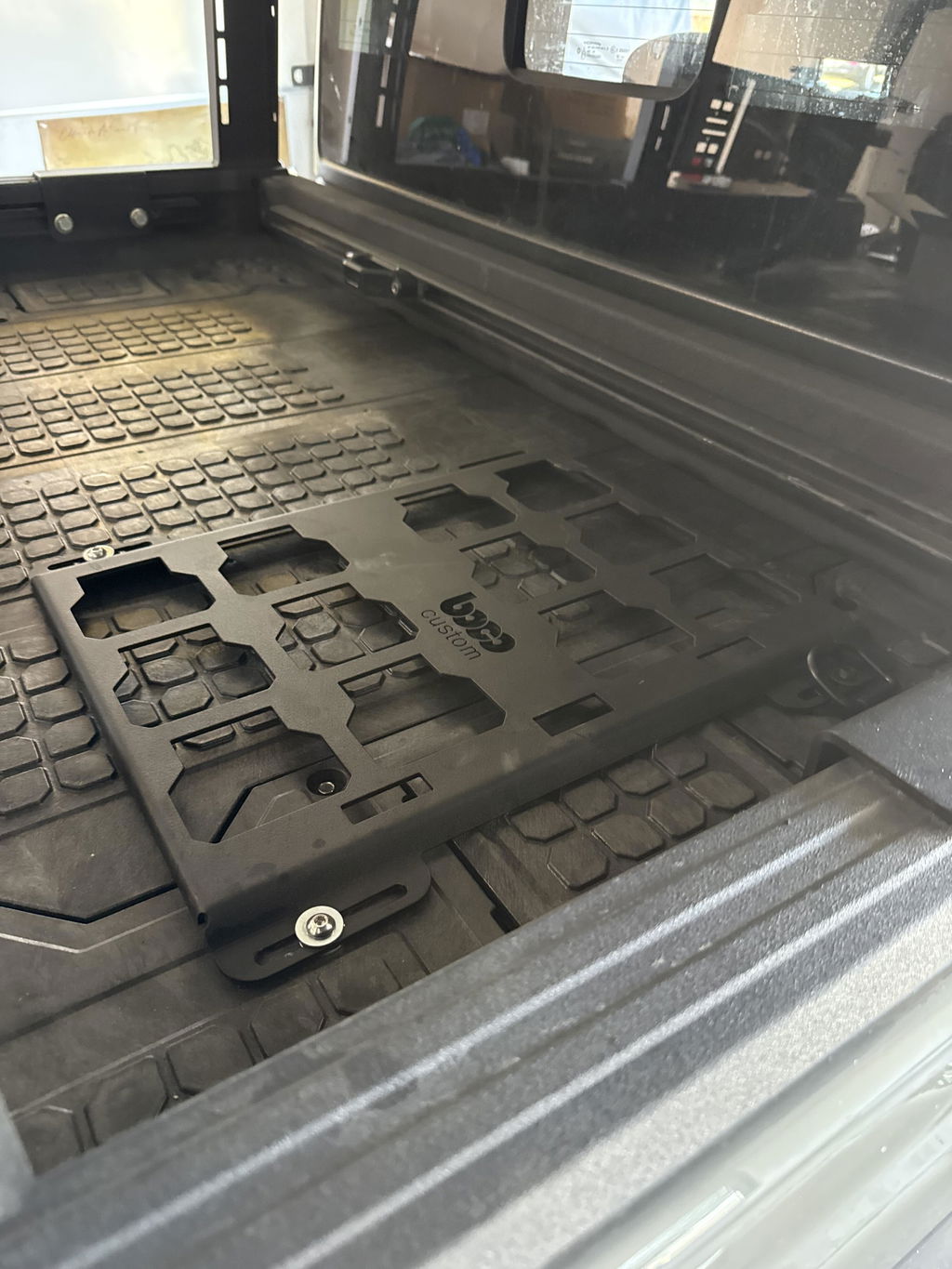
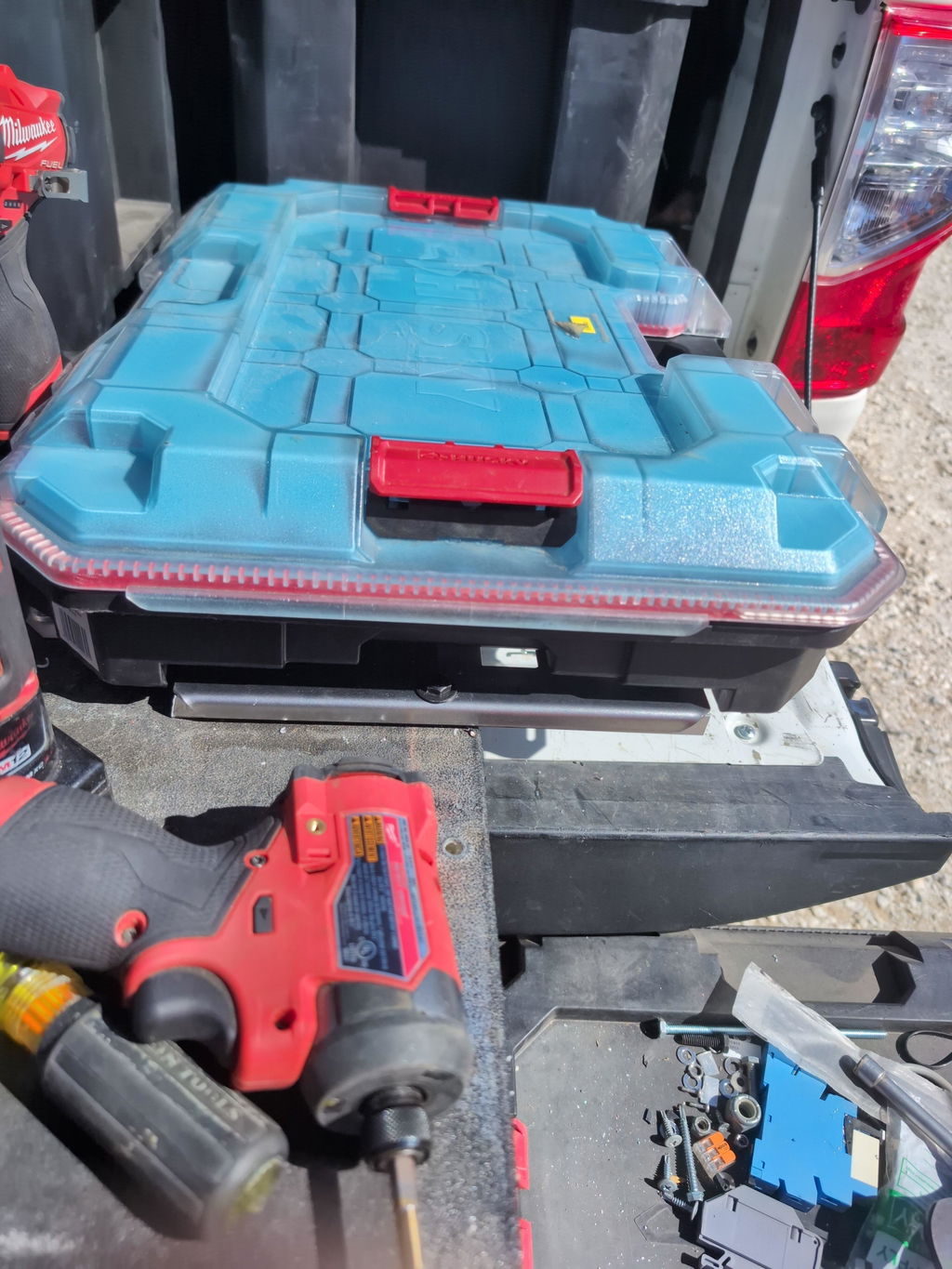
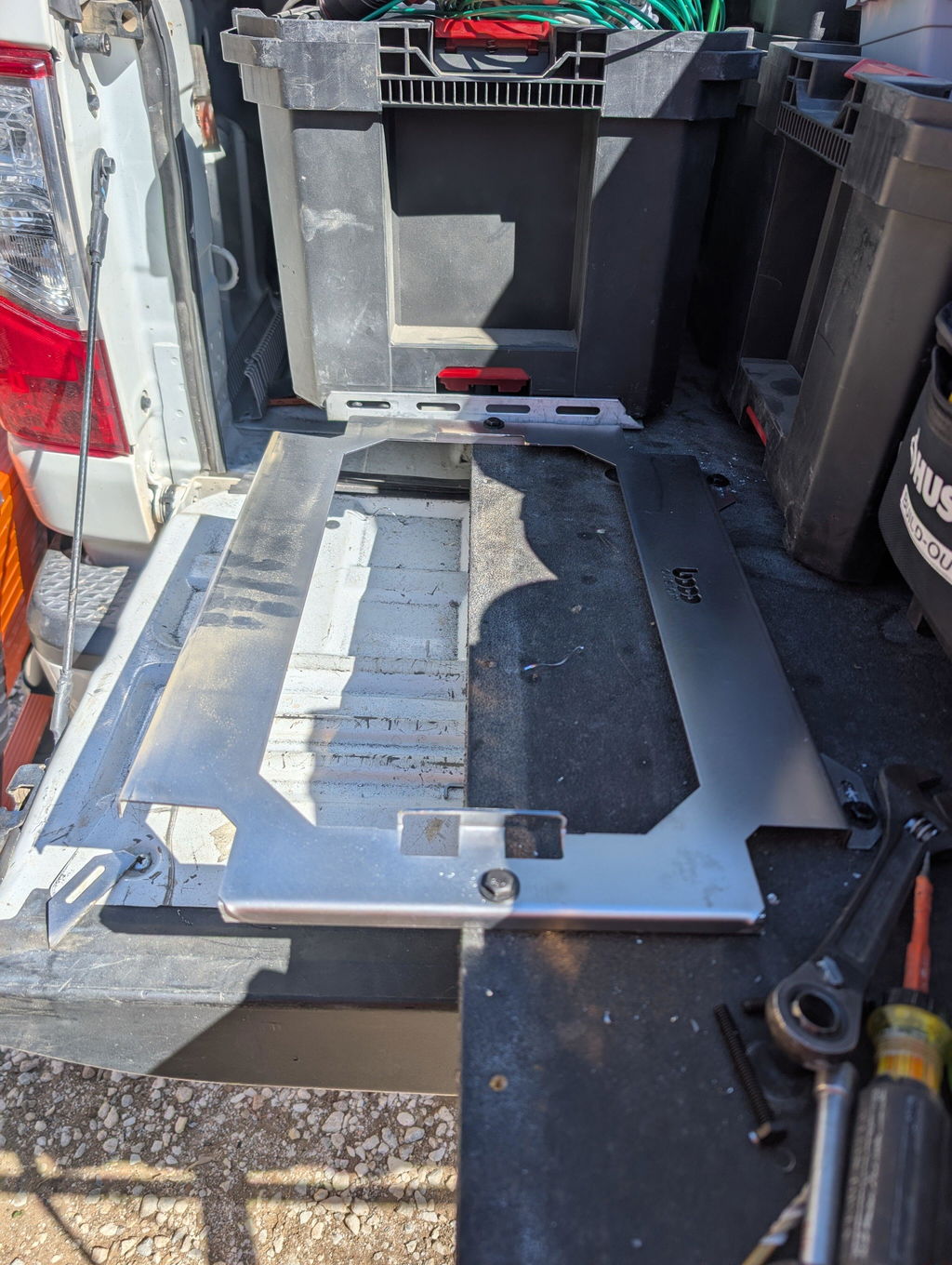
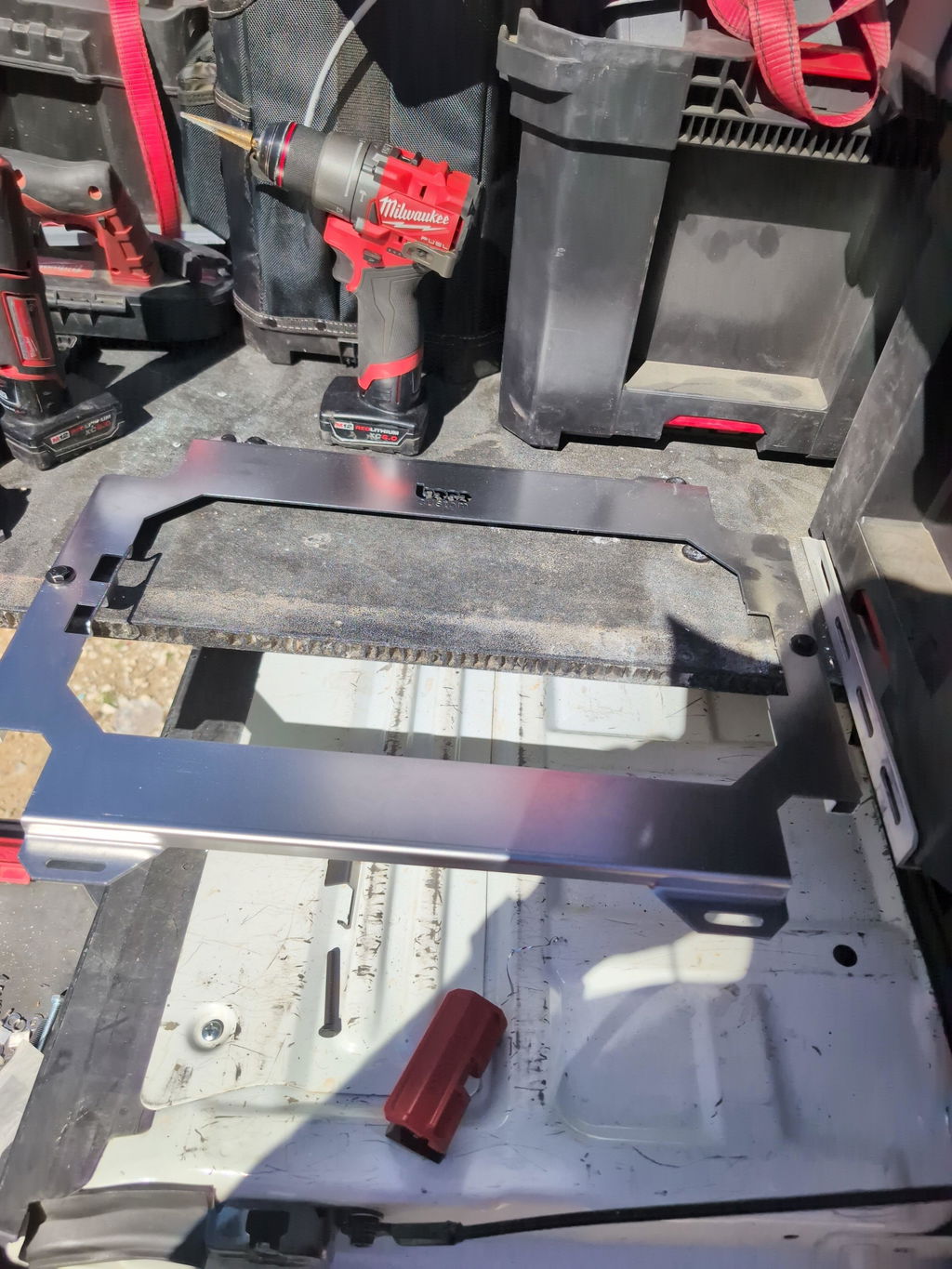
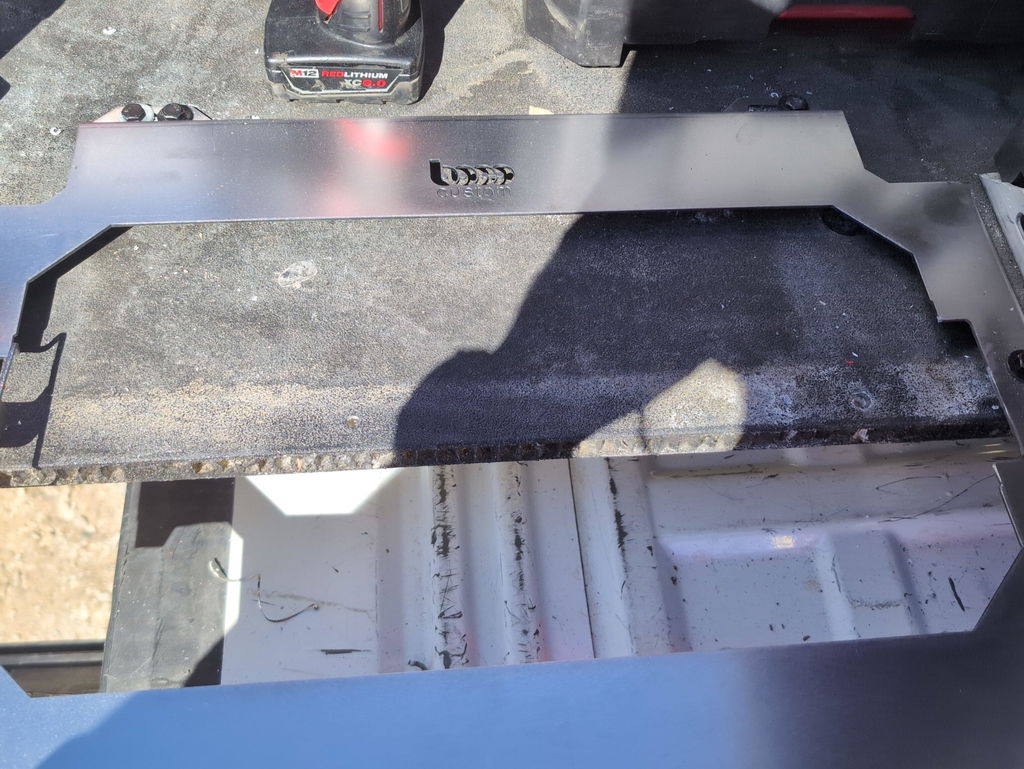
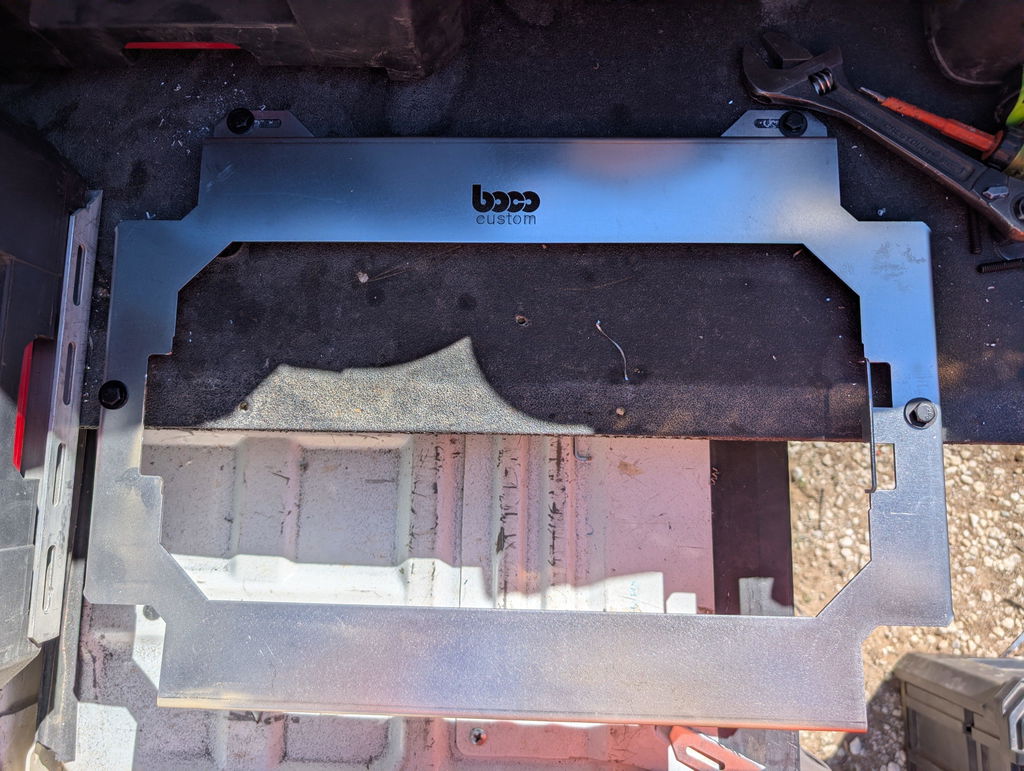
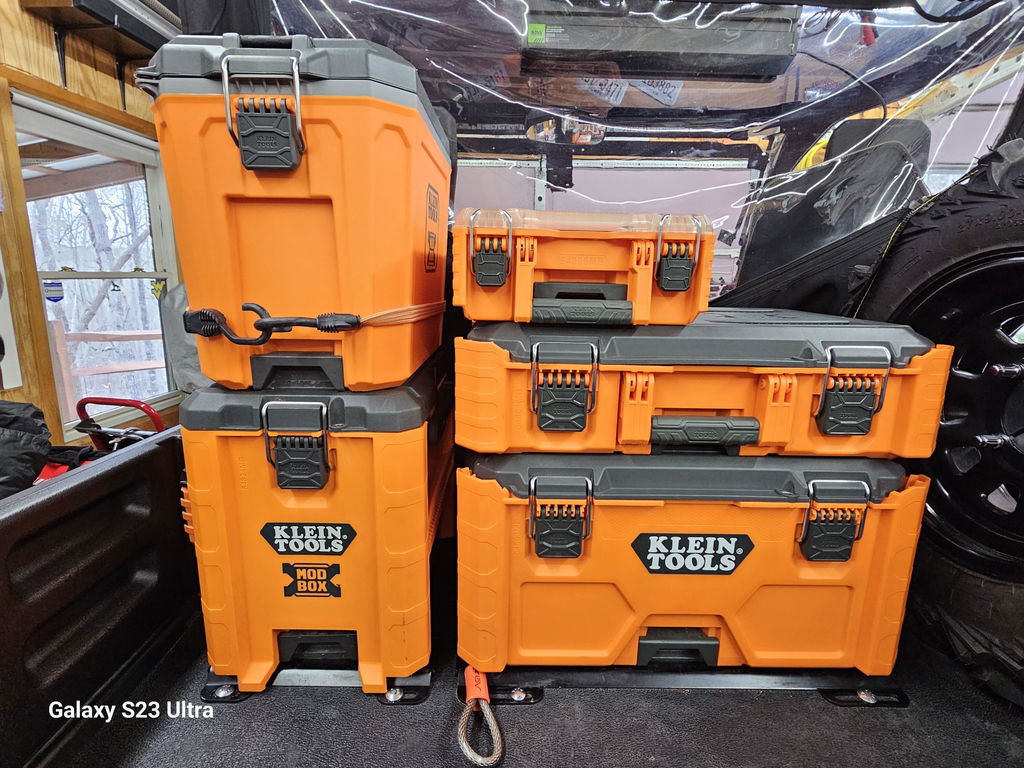
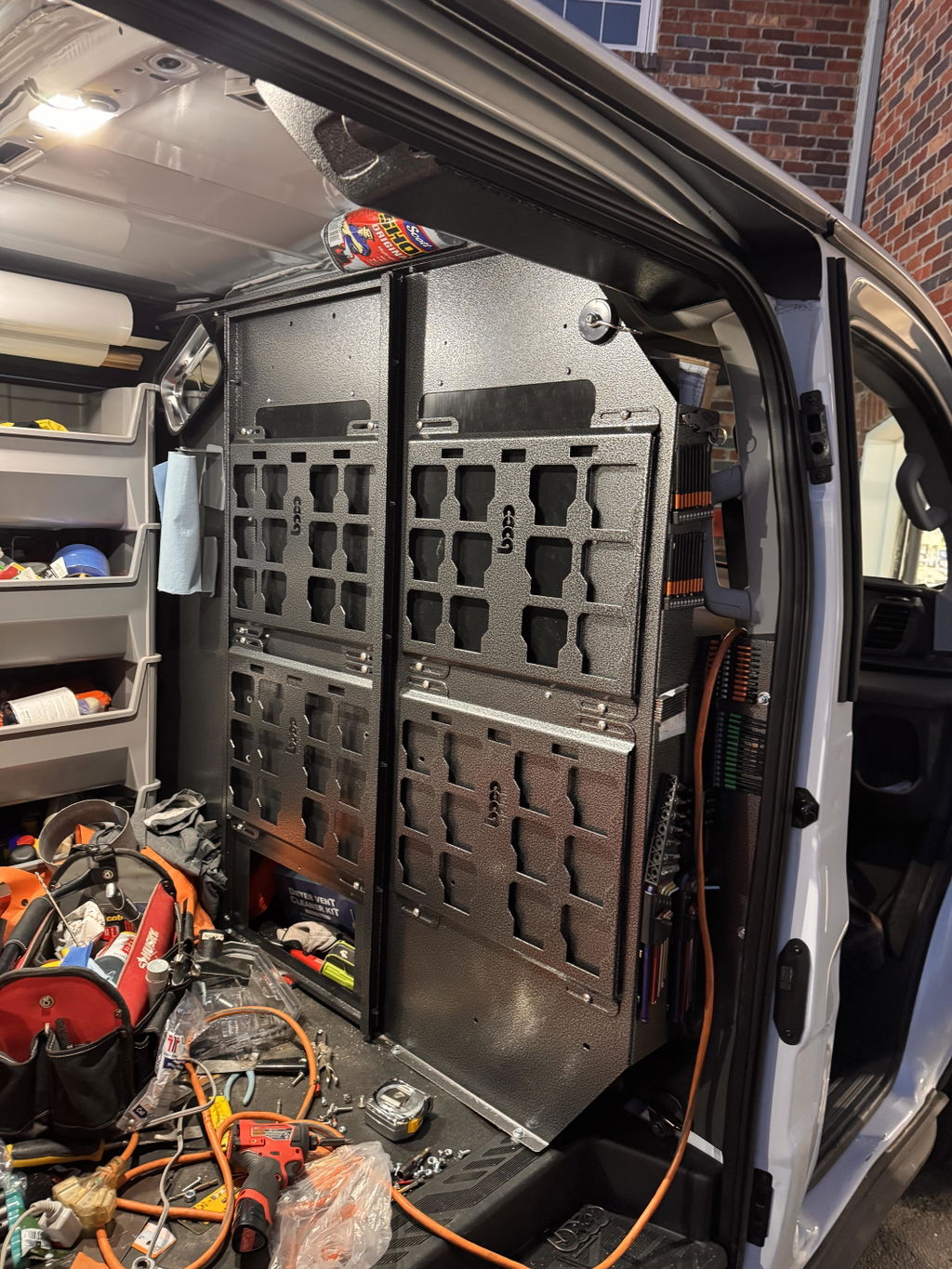
Not only is this way overbuilt for the price with its solid, confident craftsmanship, I am completely convinced that these guys are the best around when it comes to the packout platform.
I like these, they are much more compact than what Milwaukee offers. I had them powder coated in silver vain and they look awesome. I love the bonus half rack they sent me. That’s the mark of a nice company.


Dejar un comentario