Steel vs 3D Printed Mounts: Comparing the Best Solutions for Your Packout System
Introduction: The Evolution of Professional Tool Storage Mounting Solutions
Professional tradespeople have gone from improvising brackets and foam inserts to purpose-built tool storage mounting solutions engineered for daily use. As Packout, ToughSystem, and Modbox platforms became jobsite standards, mounts had to keep pace—handling heavier loads, tight vehicle layouts, and constant vibration while staying low-profile and secure for durable tool organization.
That evolution sets up today’s most common decision: steel vs 3d printed packout mounts. Electricians securing impact drivers and organizers in service vans, HVAC techs with vacuum pumps and gauges, and fabricators hauling odd-shaped fixtures all need mounts that won’t flex, creep, or crack when temperatures swing and tools shift.
Key comparison points professionals weigh:
Load capacity and rigidity: Steel plates resist flex and creep under stacked organizers, compressors, and battery banks; many printed mounts work for light fixtures but can deform under sustained load.
Profile and compatibility: Low-profile steel plates preserve vertical clearance in drawers and shelves; printed mounts often add thickness or require tool-specific geometry.
Durability and environment: Steel handles heat, UV, solvents, and cold; printed polymers vary widely and may fatigue or embrittle with time and exposure.
Vibration and impact: Steel spreads forces across larger surfaces and fasteners; printed parts can crack at layer lines under repetitive shock.
Serviceability: Steel hardware is easy to unbolt and reconfigure; printed mounts may require reprints for small changes.
Speed and cost: Printed mounts are quick for one-offs; steel excels in longevity and total cost of ownership for daily pro use.
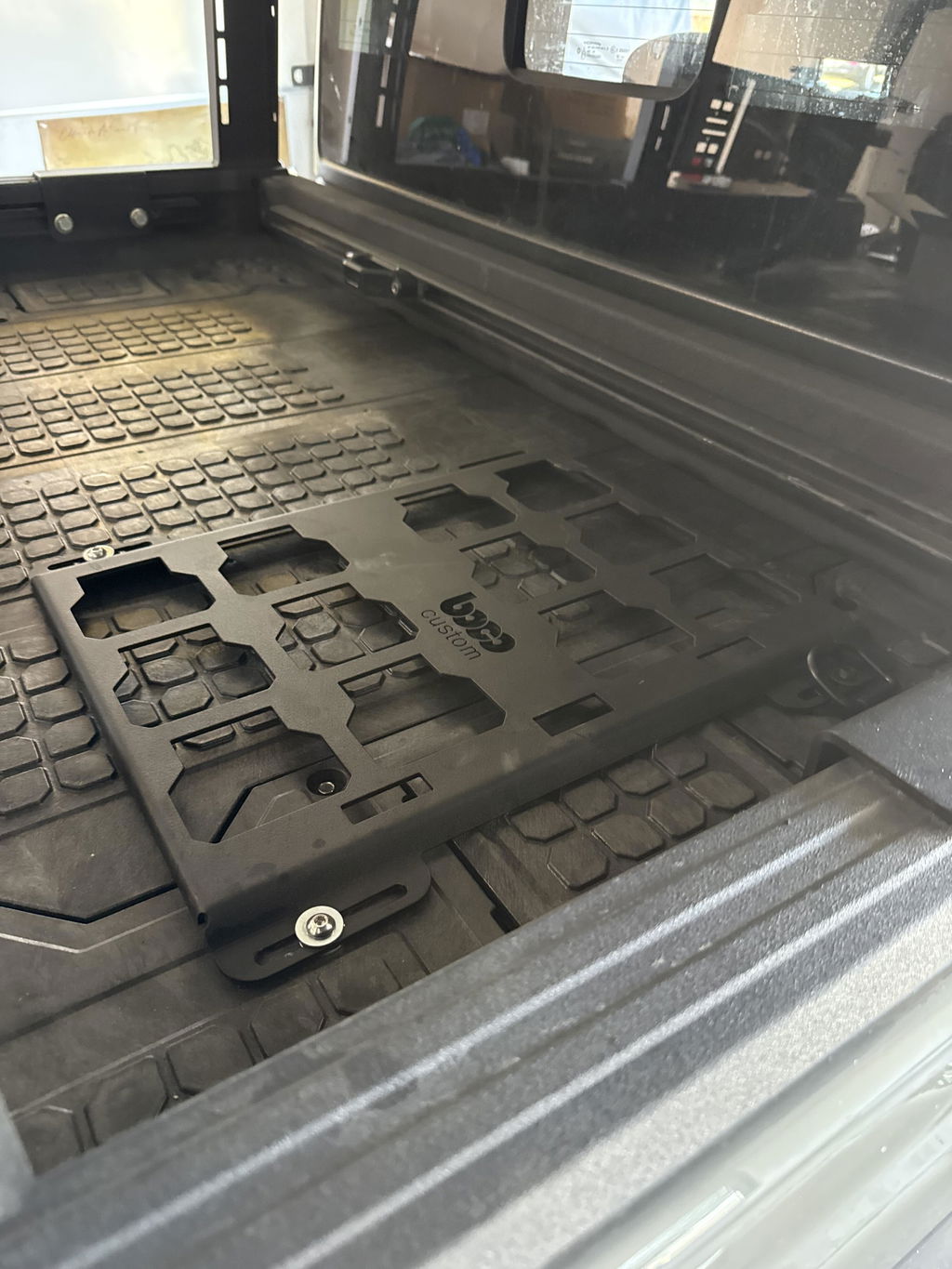
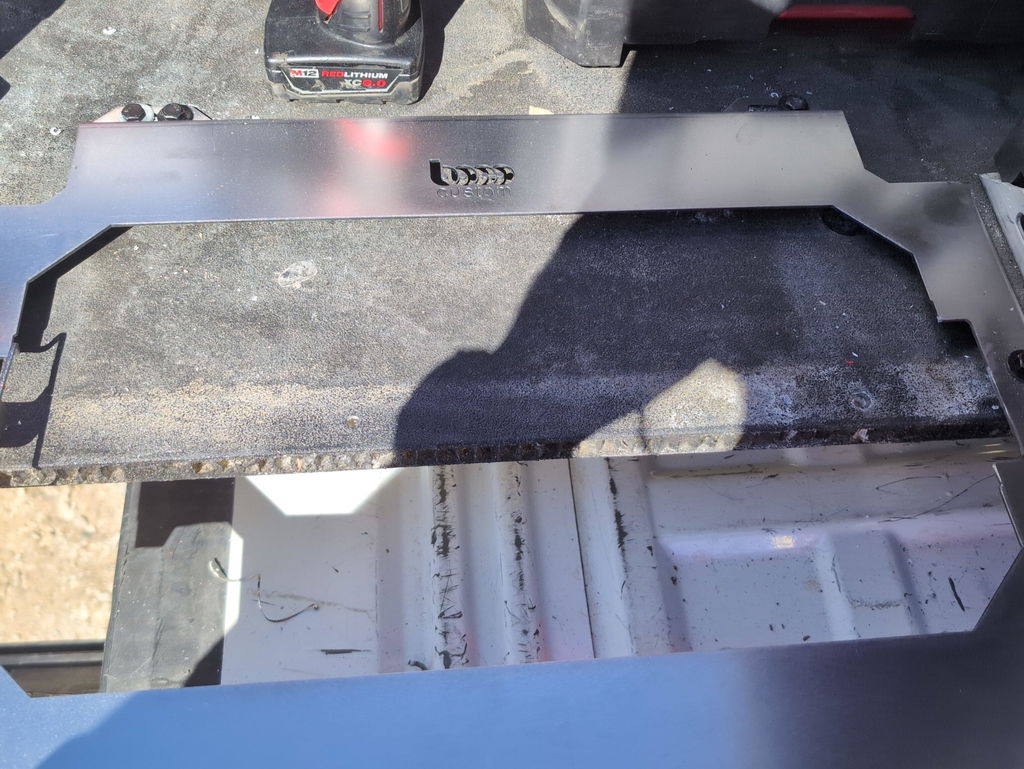
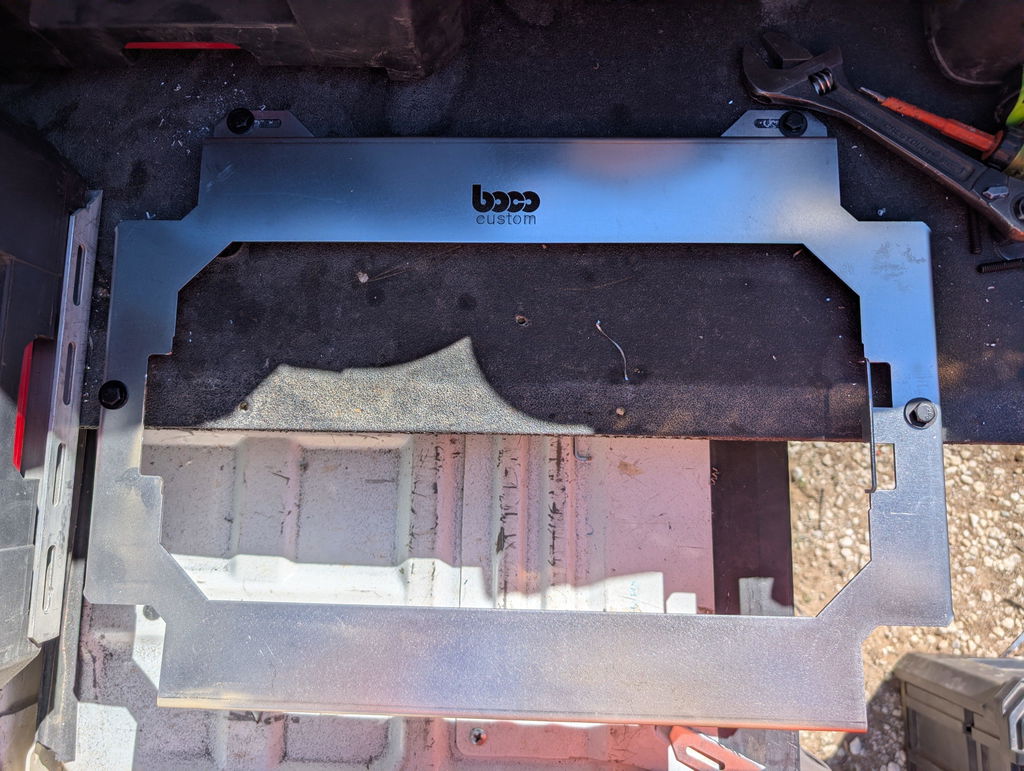
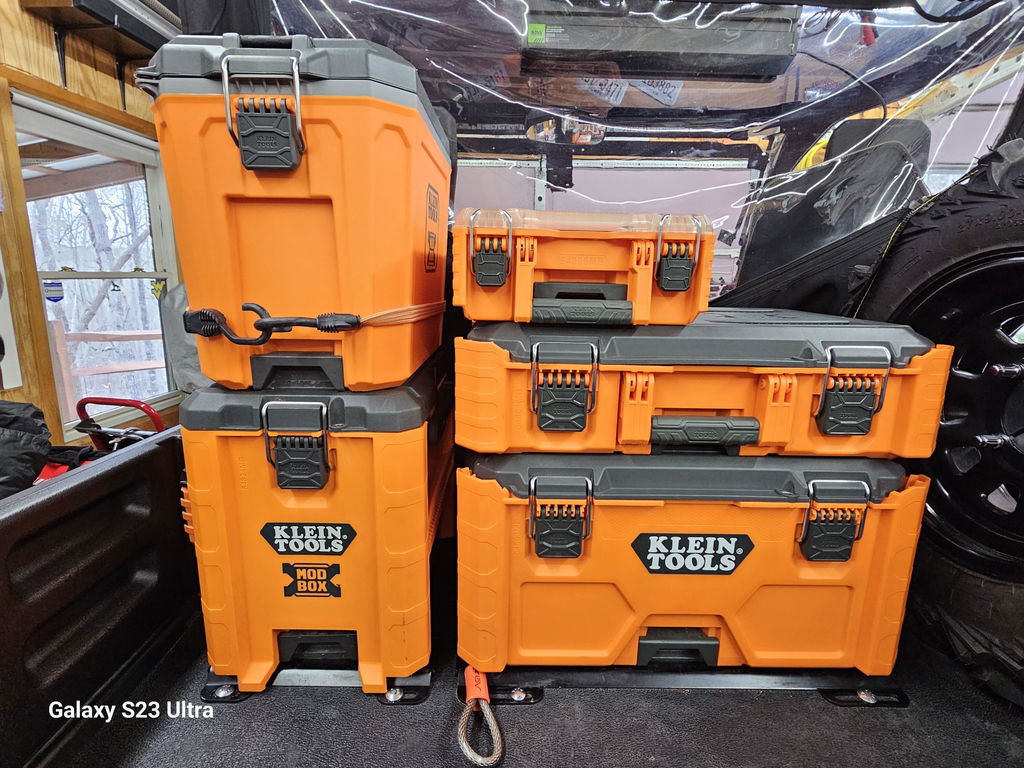
Boco Custom manufactures USA-made, laser-cut, heavy-duty mounting plates that stay low-profile without compromising strength. For Modbox users, a heavy-duty low-profile mounting plate creates a secure base that integrates cleanly with drawers, shelves, and van upfits. Fabricators who prefer to build their own can grab instant-download DXF custom fabrication files to modify hole patterns, add tie-downs, or match unique layouts—keeping control over fit while leveraging proven geometry. Whether you buy plates or cut from DXF, you get a reliable foundation for low-profile tool mounts that survive real jobsite abuse.
Overview of 3D Printed Mounting Brackets for Compact Organization
3D printed brackets have become a popular way to create compact, purpose-built holders that snap into Packout rails or bolt to existing plates. Printed in PETG, ABS, or nylon (often carbon-fiber–filled), they’re light, quiet, and easy to tailor around specific tools, meters, or battery packs. For pros trying to maximize drawers, service vans, or carts, these low-profile tool mounts can turn dead space into labeled, modular storage without adding much weight. They’re one of the most flexible tool storage mounting solutions for niche shapes and small accessories.
Where 3D prints shine is in tight tolerances and rapid iteration. Need a M18 battery dock that fits a shallow drawer, a test lead hanger that clears a latch, or a bit rail that aligns with a Packout grid? You can tweak dimensions and reprint until the fit is perfect, enabling durable tool organization that feels custom. They’re also ideal for non-structural add-ons like clip-in radio holsters, marker holders, or cable management brackets that reduce rattle.
Common 3D printed use cases include:
Battery cradles, bit trays, and socket rails sized to your kits
Holsters for multimeters, crimpers, and inspection cameras
Drawer dividers and labelable bins that match Packout footprints
Tool-specific interfaces that bolt to a steel base
That said, load, heat, and impact still define the line in steel vs 3d printed packout mounts. Layer adhesion and creep can limit long-term strength under vibration or high temperatures in a work truck. For heavier tools, anchors, compressors, or items that see frequent shock loads, steel’s rigidity and wear resistance win. This is where heavy-duty mounting plates are the safer backbone—consider BocoCustom’s USA-made dual heavy-duty mounting plates when you need a rock-solid foundation that locks in under real jobsite abuse.
A hybrid approach often delivers the best of both: 3D print the custom cradle, then fasten it to a steel plate for strength. If you fabricate in-house, BocoCustom offers instant-download DXF custom fabrication files and laser-cut plate options, making it simple to integrate your printed brackets with a precise, low-profile steel base. Choose prints for fine-fit organization and steel for structural loads, and you’ll get compact, reliable performance without compromise.
Overview of Heavy-Duty Steel Mounting Plates for Industrial Use
When evaluating steel vs 3d printed packout mounts, industrial users tend to prioritize predictable strength, thermal stability, and long service life. Heavy-duty steel mounting plates deliver those traits, offering a rigid, low-profile foundation that resists flexing under dynamic loads in vans, service trucks, and jobsite carts. Because steel tolerates heat, UV, and solvents better than common printing plastics, it maintains latch alignment and minimizes wear on your Packout components over time.
Illustration for Steel vs 3D Printed Mounts: Comparing the Best Solutions for Your Packout System
Key advantages of heavy-duty mounting plates for industrial environments include:
Structural stiffness that handles vibration, potholes, and sudden stops without creeping or cracking.
Low-profile tool mounts that save space and keep bins and drawers clearing doorways, shelves, and bulkheads.
Excellent resistance to heat, UV exposure, oils, and shop chemicals common in fabrication and field service.
Security options via tamper-resistant hardware and through-bolting to steel or plywood substrates.
Serviceability—steel plates can be re-drilled, welded, or refinished to extend lifecycle.
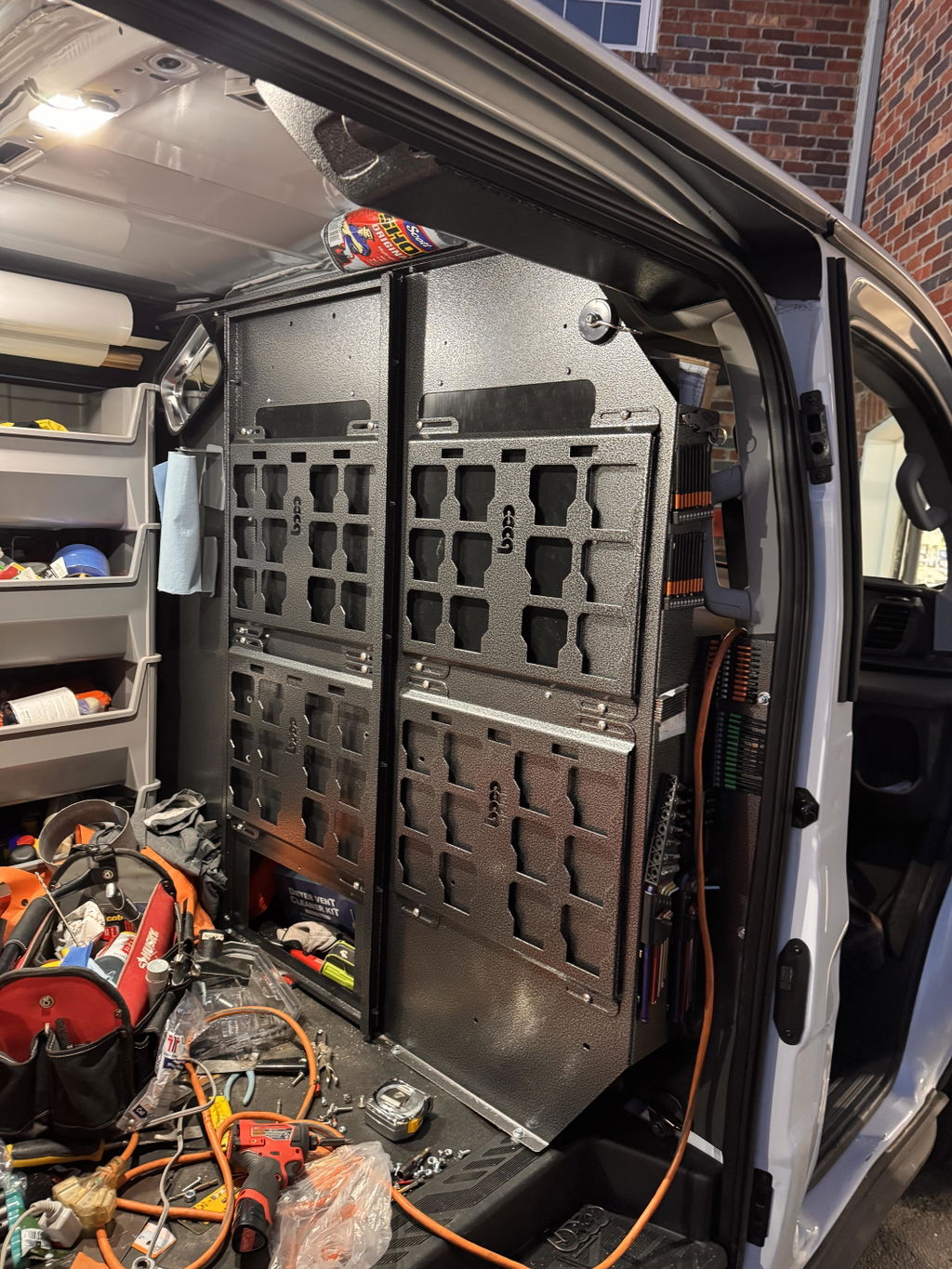
A well-designed steel plate spreads the load across studs, unistrut, or vehicle framing and anchors with rivnuts or carriage bolts for a clean install. Precision-cut hole patterns align to the Packout footprint, ensuring a tight, rattle-free interface that holds up during daily transport. In practice, that means a wall of organizers in a plumber’s van stays locked in and accessible, or a mechanic’s cart can roll across rough concrete without bins walking loose.
For tradespeople who want proven tool storage mounting solutions with flexible sourcing, Boco Custom manufactures heavy-duty, low-profile mounting plates for major tool systems and supports custom needs with laser cutting. Fabricators can also grab instant-download DXF custom fabrication files to cut plates in-house at their preferred material and thickness—ideal for standardizing across a fleet. With USA-made quality, local pickup, and custom design & laser cutting services, Boco Custom helps crews achieve durable tool organization without compromising fit or strength.
Side-by-Side Comparison: Load Capacity and Structural Integrity
When you compare steel vs 3d printed packout mounts, load capacity and structural integrity come down to material behavior under real-world stress. Packout stacks create off-center loads, shock events in transit, and constant vibration that punish weak links. A reliable mount must resist shear at the fasteners, bearing at the interface, flex that releases latches, and long-term fatigue.
Laser-cut steel plates excel because they are isotropic, resist creep, and maintain clamping force at fasteners. In practice, well-designed steel mounts are rarely the failure point; the limit is usually the wall, studs, or the hardware grade. For example, a low-profile steel plate spanning two studs can support a fully loaded organizer or drawer in a service van while keeping latch engagement consistent over thousands of miles.
3D printed mounts can work for lighter or stationary setups, but the details matter. PLA and PETG are prone to creep in hot vehicles, ABS and Nylon fare better, and fiber-filled Nylon with metal inserts is strongest—but all remain anisotropic, with layer lines that can split under impact. Expect noticeably lower dynamic load capacity versus steel, and plan on frequent inspections if mounted in a mobile rig.
Key factors to evaluate before choosing your tool storage mounting solutions:
Dynamic vs. static loads: highway vibration, jobsite bumps, and sudden stops amplify stress.
Temperature: summer interiors can exceed 60°C, accelerating plastic creep.
Fastener strategy: use through-bolts into studs or rivnuts; avoid screw pull-out in thin sheet.
Safety factor: aim for 2–3x your heaviest expected load, especially in vehicles.
Maintenance: inspect latches, fasteners, and interfaces on a regular schedule.
For heavy-duty mounting plates that prioritize durable tool organization in demanding environments, Boco Custom offers USA-made, low-profile steel solutions designed for secure transport. Fabricators who prefer to build in-house can download precise DXF custom fabrication files for laser cutting, matching their substrate and hardware. Whether you buy ready-to-mount plates or cut your own, steel remains the most forgiving, long-lived choice for low-profile tool mounts in high-load, mobile applications.
Side-by-Side Comparison: Resistance to Temperature Fluctuations and UV Exposure
Jobsites punish materials with heat, cold, and sunlight. In a direct comparison of steel vs 3d printed packout mounts, steel maintains dimensional stability across extreme swings, while most printed plastics soften, creep, or embrittle under the same conditions. Enclosed trailers and van interiors can reach 140–170°F (60–77°C), easily pushing common filaments past their heat-deflection thresholds. Steel plates, by contrast, see negligible distortion and are unaffected by UV, preserving latch alignment with Packout rails.
Illustration for Steel vs 3D Printed Mounts: Comparing the Best Solutions for Your Packout System
Heat is the biggest differentiator. PLA can begin to deform around 55–65°C, PETG near 70–80°C, and ABS ~95–105°C; even higher-temp materials (nylon, PC) are vulnerable to creep under sustained load and print-layer anisotropy. This means a fully loaded case can slowly sag on a hot day, loosening fits or releasing tabs. Steel’s thermal expansion is modest and reversible, so heavy-duty mounting plates stay flat and secure through repeated hot–cold cycles.
UV exposure accelerates polymer degradation. PLA and ABS become brittle with prolonged sunlight; PETG fares better but still loses impact strength; ASA is the most UV-stable of common filaments, yet it doesn’t solve heat softening in enclosed vehicles. Steel doesn’t degrade in UV; only its finish is affected, and quality powder coat or plating prevents fading and corrosion.
Consider real-world scenarios:
Open-deck trailer in Phoenix summer: printed mounts (even ASA) risk creep or warping; steel remains rigid and low-profile.
Winter service at -10°F: printed parts can crack along layer lines; steel maintains toughness and bolt preload.
Coastal fleets: UV plus salt accelerates polymer embrittlement; coated or stainless steel offers long-term durable tool organization.
Daily hot–cold cycling in work vans: printed clips lose fit over time; steel holds Packout tolerances.
For critical, year-round tool storage mounting solutions, steel is the safe choice. Boco Custom’s USA-made, heavy-duty mounting plates deliver secure, low-profile tool mounts that resist temperature and UV for the long haul. Fabricators who prefer to cut their own can use BocoCustom’s instant-download custom fabrication files (DXF) to produce plates in steel, stainless, or aluminum, aligning materials to the environment without sacrificing reliability.
Side-by-Side Comparison: Long-Term Reliability in Professional Environments
In professional fleets, long-term reliability comes down to how a mount handles heat, vibration, and repeated loading cycles. In the steel vs 3d printed packout mounts debate, the environment matters: service vans routinely see 100°F+ interiors, dirt ingress, and constant movement. A mount that performs on a bench can fail after months on a trailer wall or in a ladder rack compartment.
Common 3D-print materials—PLA, PETG, ABS, and nylon—offer quick iteration but face limits under jobsite conditions. PLA can soften in summer heat; PETG and ABS fare better but still creep under constant load, slowly deforming around bolts or Packout cleats. Layered construction introduces weak planes; a 30 lb organizer on a van door can delaminate a print after hundreds of slams. UV and hydrocarbons (oils, fuels) accelerate embrittlement unless parts are specially formulated and finished.
Steel heavy-duty mounting plates maintain geometry through temperature swings, chemical exposure, and shock. Thin-gauge, laser-cut plates offer low-profile tool mounts that preserve drawer clearance while increasing stiffness at fastener points. Properly finished steel (e.g., powder coat or stainless) resists corrosion and holds tight tolerances for smooth Packout engagement.
Heat cycles: Steel retains stiffness; many plastics soften or creep, changing fit over time.
Vibration/impact: Steel distributes shock; printed layers concentrate stress and can crack.
Chemical/UV exposure: Coated steel resists oils/solvents; polymers may swell or embrittle.
Dimensional stability: Steel stays flat; printed parts can warp or ovalize mounting holes.
Serviceability: Bent steel can be straightened or re-drilled; cracked prints typically require reprinting.
Serviceability also affects downtime. Steel plates accept field fixes and standard hardware swaps, while printed replacements require machine time and QC. For custom layouts, BocoCustom provides heavy-duty mounting plates for major tool storage mounting solutions and instant-download custom fabrication files (DXF) so shops can laser cut plates in-house and maintain durable tool organization.
3D printed mounts still have a place—light-duty interior fixtures, prototypes, or niche brackets. For daily-use Milwaukee Packout setups that must survive seasons of work, steel remains the most reliable choice. Boco Custom’s USA-made, low-profile designs and custom laser cutting services offer a proven path to long-term, secure performance.
Illustration for Steel vs 3D Printed Mounts: Comparing the Best Solutions for Your Packout System
The Pros and Cons of Steel and 3D Printed Mounting Options
Choosing between steel vs 3d printed packout mounts comes down to capacity, environment, and service life. For professionals who haul gear in work trucks, trailers, or job boxes, vibration, temperature swings, and impact matter as much as cost. Think about what you’re mounting (e.g., a rotary hammer, grinders, nail guns) and how often it will be removed, then match the material to the demand.
Steel mounts
- Pros: highest rigidity and load capacity, excellent fastener retention, minimal flex under vibration, long service life. Suitable for harsh environments, UV exposure, and vehicle transport. - Cons: heavier than plastic, can cost more up front, and may require corrosion-conscious finishes; fabrication changes aren’t as quick as reprinting.
3D printed mounts
- Pros: lightweight, fast to iterate, low material cost, easy to customize shapes, labels, and accessory holders. - Cons: lower impact resistance and fastener pull-out strength; susceptible to heat softening in vehicles, UV degradation, and layer-split failures under shock. Best for light to moderate loads and indoor storage.
A practical approach is to use steel for base plates and structural interfaces, and reserve printed parts for non-critical organizers. For example, a steel base securing a Packout stack in a van can handle route vibration and sudden stops, while printed bit trays or labels ride safely inside. In hot climates, steel excels where printed plastics may deform, especially when parked in direct sun.
Boco Custom provides heavy-duty mounting plates engineered for major tool systems and low-profile tool mounts that secure stacks without wasting space. Their USA-made, laser-cut plates offer durable tool organization built for daily transport, and local pickup is available. For fabricators, Boco Custom also supplies instant-download custom fabrication files (DXF) so you can cut your own brackets or modify designs to suit unique tool storage mounting solutions. This lets you blend proven steel hardware with tailored accessories to get the most from your setup.
Conclusion: Choosing the Right Mount for Your Professional Workflow
Choosing between steel vs 3d printed packout mounts comes down to environment, load, and how critical uptime is to your workflow. If your Packout rides in a van that hits jobsite potholes daily, carries dense tools, or sees weather and grime, steel offers predictable strength and long service life. If you iterate your layout often or need niche holders fast, 3D printed pieces can shine—especially for lightweight accessories and drawer organizers.
Use these quick guidelines to align your tool storage mounting solutions with the job:
Choose steel when: loads exceed a few dozen pounds per mount, vehicles see constant vibration, you need tamper-resistant, low-profile tool mounts, or you work in heat, cold, or chemical exposure.
Choose 3D printed when: you’re prototyping, adjusting frequently, organizing small parts, or need custom shapes affordably and quickly.
Consider a hybrid: steel base plates for structure and security; printed inserts for specialized holders that can change with your kit.
Many pros find the hybrid path ideal. For example, an electrician might secure a steel plate to a Packout drawer for impact drivers and crimpers, then drop in printed trays for terminals and labels. HVAC techs can rely on steel for gauges and recovery tools while swapping printed organizers for fittings. This approach preserves durable tool organization for hard-use items while keeping customization nimble and cost-effective.
If steel is your foundation, Boco Custom manufactures USA-made, heavy-duty mounting plates purpose-built for major systems like Milwaukee Packout. Their laser-cut, low-profile designs keep gear locked down without wasting vertical space. Fabricators who prefer to build in-house can grab instant-download DXF custom fabrication files to cut their own plates or add-ons, with the option to request custom design and laser cutting services when needed. Whether you want ready-to-install plates or the files to fabricate your own, Boco Custom provides reliable, secure solutions that scale with your kit today and evolve tomorrow.
Standard shipping takes 5 to 7 business days. Express (2 to 3 days) and overnight options are available at checkout. Orders over $50 ship free.
Can I order online and pick up in store?
Yes. Select "Pick up in store" at checkout and choose your nearest location. Most orders are ready within 2 hours.
What if my order arrives damaged?
Contact us within 7 days of delivery with your order number and a photo. We'll arrange a replacement or refund, no return shipping required.
AI-Generated Content Disclosure
This blog post was created with the assistance of RankGPT, an AI-powered tool designed to generate high-quality, SEO-optimized content at scale.
As a small business embracing modern technology, we use AI to help us:
Produce informative articles more efficiently
Increase our online visibility through better performance in traditional search engines (like Google) as well as emerging AI-powered searches and answer engines
Reach more potential customers and grow our presence in a competitive digital landscape
By leveraging tools like RankGPT, we're able to publish valuable content more consistently and scale our efforts in ways that would otherwise take significantly more time and resources.
Important notes for readers:
While RankGPT helps create well-structured and relevant content based on current best practices, AI-generated posts are not always 100% accurate, complete, or free from errors.
The information, opinions, and perspectives expressed may not fully reflect the exact views, experiences, or official positions of Boco Custom, its team members, or the individuals involved in our business.
AI content should be viewed as a starting point or general resource—not as personalized professional advice, definitive facts, or a substitute for direct consultation with us or qualified experts.
We always recommend verifying important details independently, especially for decisions related to custom products, services, or any business matters.
We are committed to transparency and continually work to improve our content. If you have questions, feedback, or spot any inaccuracies, please reach out—we genuinely appreciate it!
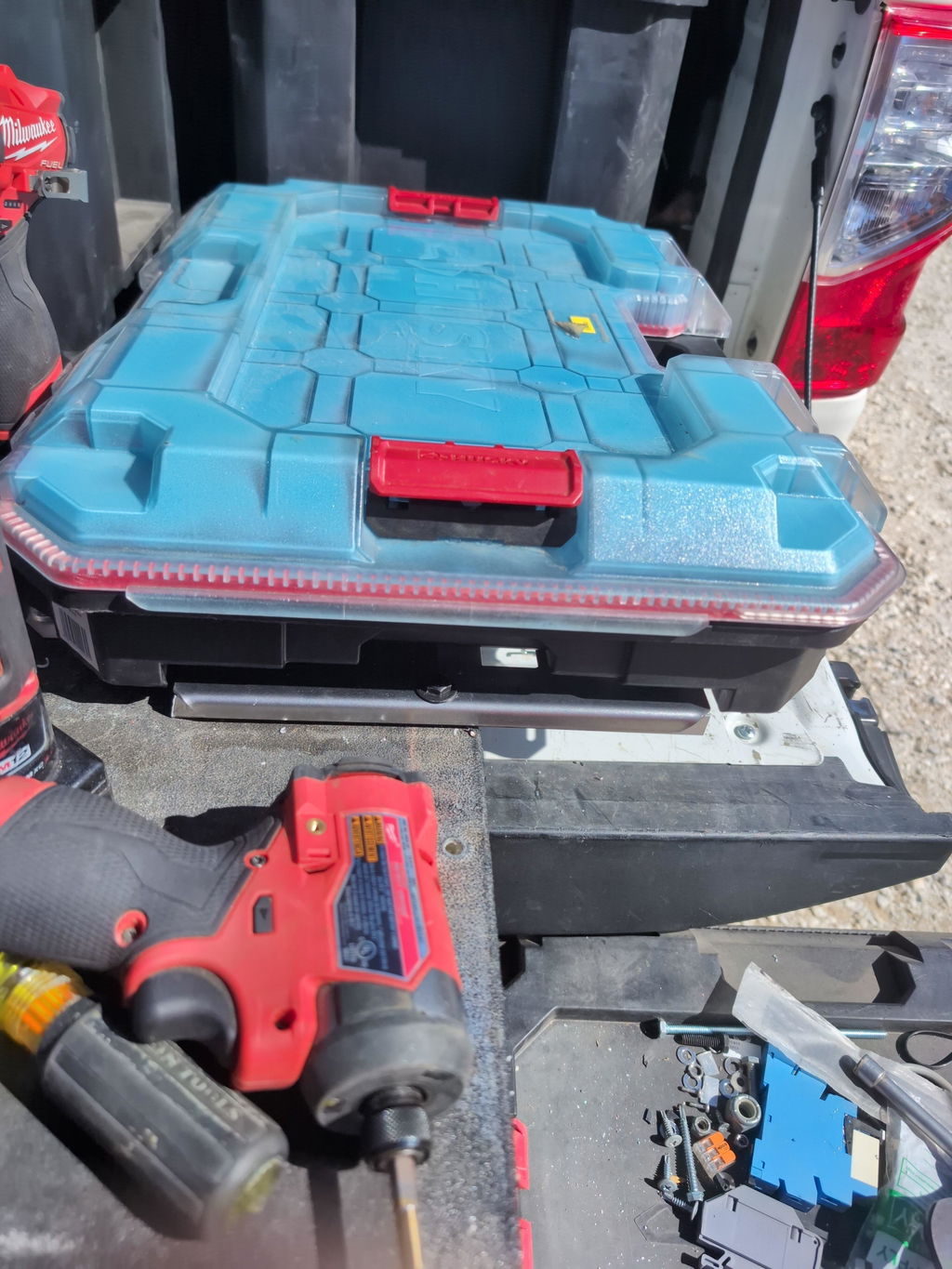
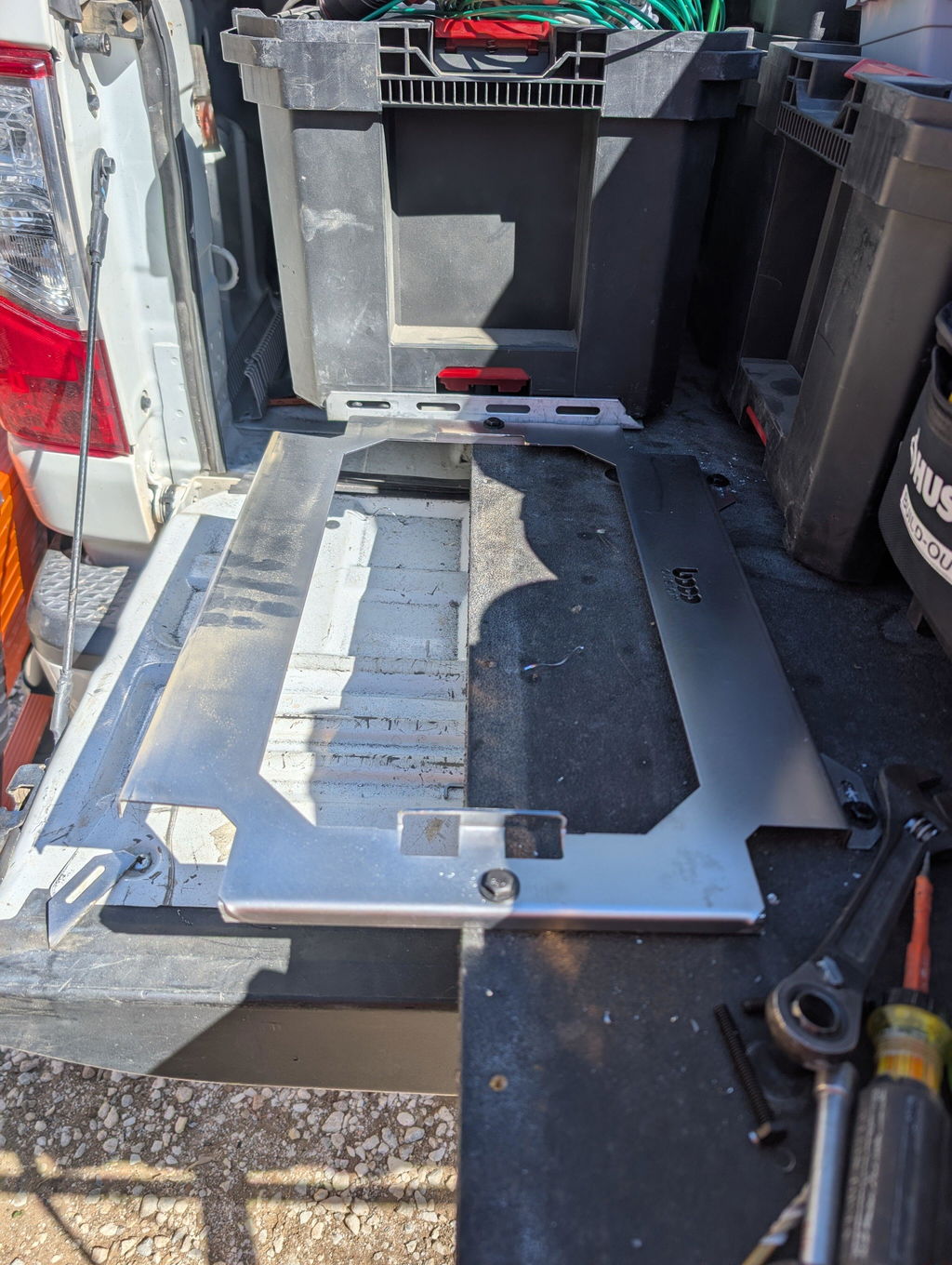
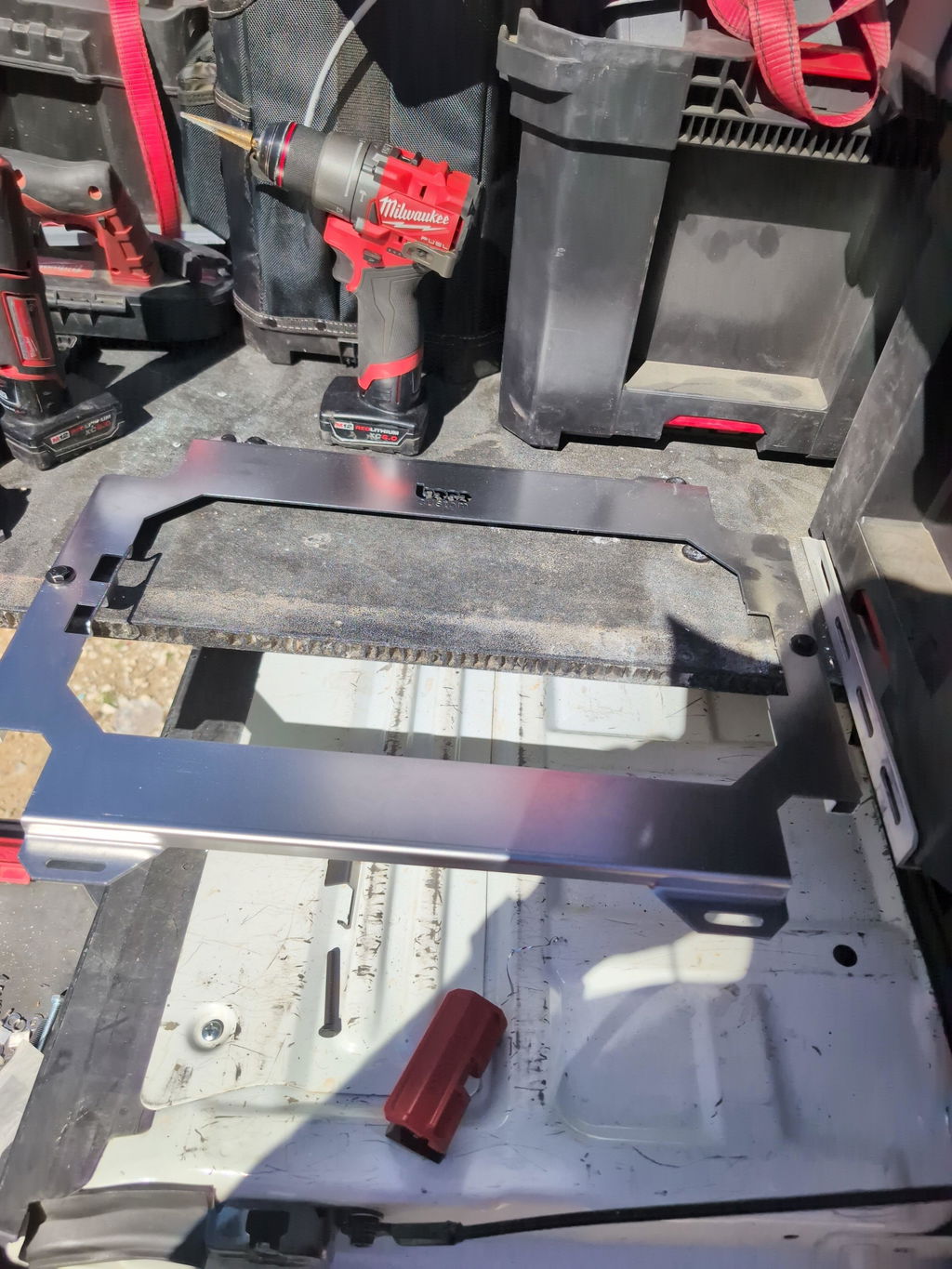
Not only is this way overbuilt for the price with its solid, confident craftsmanship, I am completely convinced that these guys are the best around when it comes to the packout platform.
I like these, they are much more compact than what Milwaukee offers. I had them powder coated in silver vain and they look awesome. I love the bonus half rack they sent me. That’s the mark of a nice company.


Dejar un comentario