When you toss a toolbox into the back of your work van, throw a drill onto the back seat of your truck, or stack boxes in the cab of a rented U-Haul, it feels harmless. After all, the tools are inside the vehicle, right?
What many drivers don’t realize is that at highway speeds—or even during a sudden stop at 30 mph—a 10-pound hammer doesn't just sit there. It becomes a flying projectile with hundreds of pounds of force.
Whether you're a professional contractor, a weekend DIYer, or someone moving across town, understanding the danger of unsecured cargo could quite literally save your life.
1. The Physics: "The Missile Effect"
When a vehicle moving at 50 mph comes to a sudden stop—whether from hard braking or a collision—everything inside that vehicle keeps moving at 50 mph until it hits something.
In physics terms, an object's force upon impact equals its weight multiplied by g-force (F = m · a). In a typical 30 mph crash, an unanchored item experiences roughly 20g to 30g of deceleration force.
What does that mean in real life?
-
A 20 lb toolbag instantly exerts up to 600 lbs of impact force.
-
A 5 lb cordless drill hits with 150 lbs of force—enough to fracture a skull or shatter a windshield.
-
A loose 80 lb generator in the cargo area turns into a 2,400 lb battering ram slamming directly into the back of the driver's seat.
2. Why Work Vans & U-Hauls Have Safety Partitions (Cab Guards)
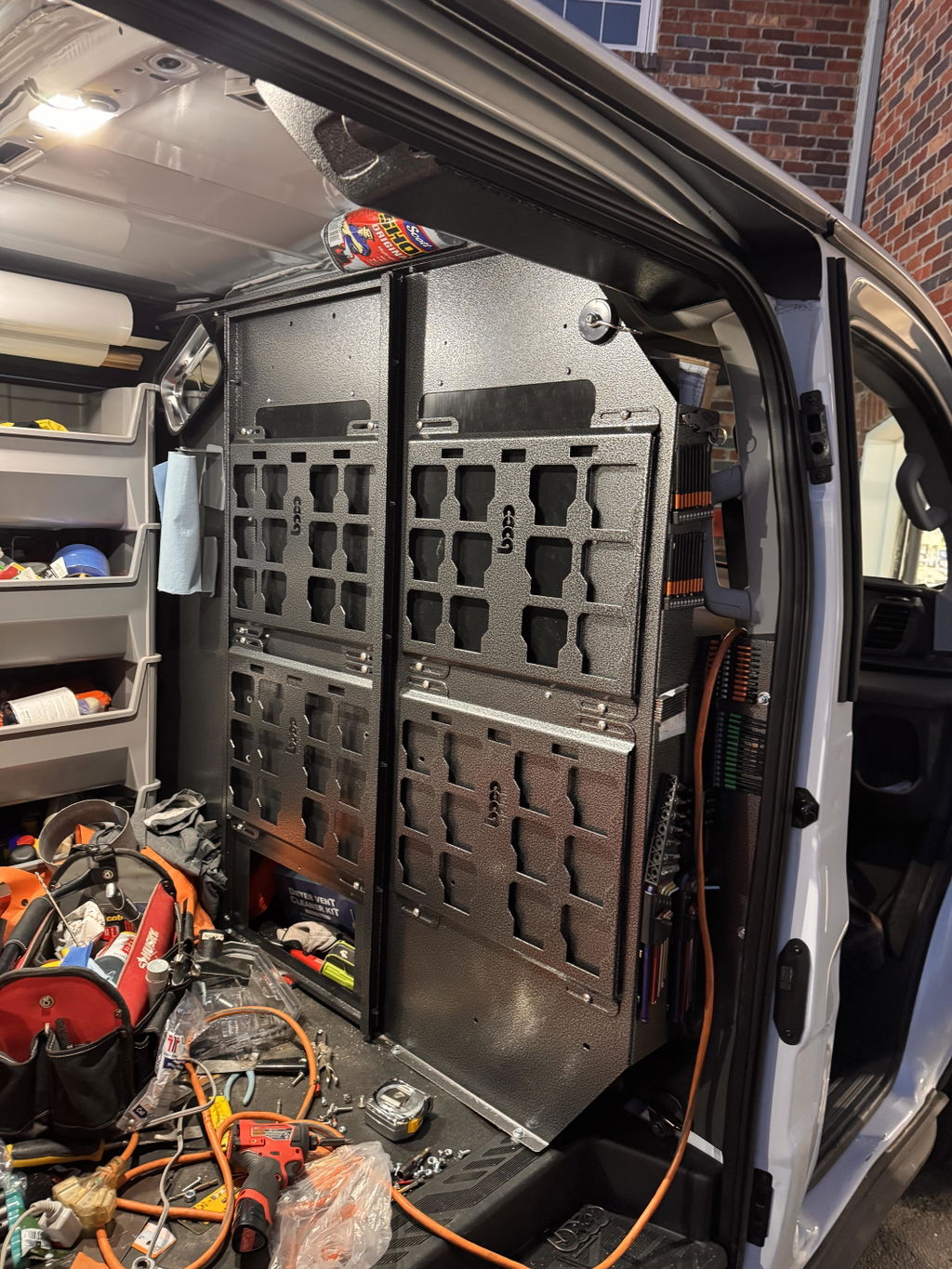
If you’ve ever driven a commercial service van or a box truck like a U-Haul, you’ve likely noticed a heavy-duty steel or aluminum bulkhead (partition) separating the cab from the cargo area.
These partitions aren't just there to keep noise down or improve air conditioning efficiency. They are structural life-saving barriers designed specifically to prevent cargo intrusion.
The Cab Guard's Job:
-
Prevent Forward Penetration: In a head-on collision or abrupt stop, loose pipes, ladders, and toolboxes naturally launch toward the front windshield. A heavy-duty partition absorbs that energy and keeps the equipment in the back.
-
Protect Against Shifting Loads: Even without a crash, taking a sharp turn or swerving can cause heavy equipment to tip or roll. The partition ensures that equipment never shifts into the driver's seat or pedal area.
-
Rollover Defense: In the event of a rollover crash, unsecured gear in an open-cab van flies in every direction. A fully sealed bulkhead keeps the cab space clear of airborne debris.
3. Real-World Events & Eye-Opening Statistics
This danger isn't theoretical—it happens on roads every single day.
-
Over 200,000 Crashes from Loose Cargo: According to a multi-year study by the AAA Foundation for Traffic Safety, road debris and unsecured loads caused over 200,000 crashes, 39,000 injuries, and more than 500 fatalities across a four-year period. While many of these involve items falling off truck beds onto the highway, a significant portion involves cabin injuries inside the vehicle.
-
Fatal In-Cab Incidents: In product liability and occupational safety reports highlighted by legal investigators at the Beasley Allen Law Firm, attorneys regularly handle catastrophic vehicle collision claims where shifting heavy cargo or failing cab guards resulted in driver incapacitation or severe crush injuries.
-
Federal Transportation Laws: The Federal Motor Carrier Safety Administration (FMCSA) strictly regulates commercial cargo securement because an unsecured load can easily cause driver incapacitation or loss of vehicle control, triggering severe multi-car pileups.
4. How to Properly Secure Items in Any Vehicle
You don't need a commercial van to practice safe cargo habits. Here are simple steps to protect yourself and your passengers:
-
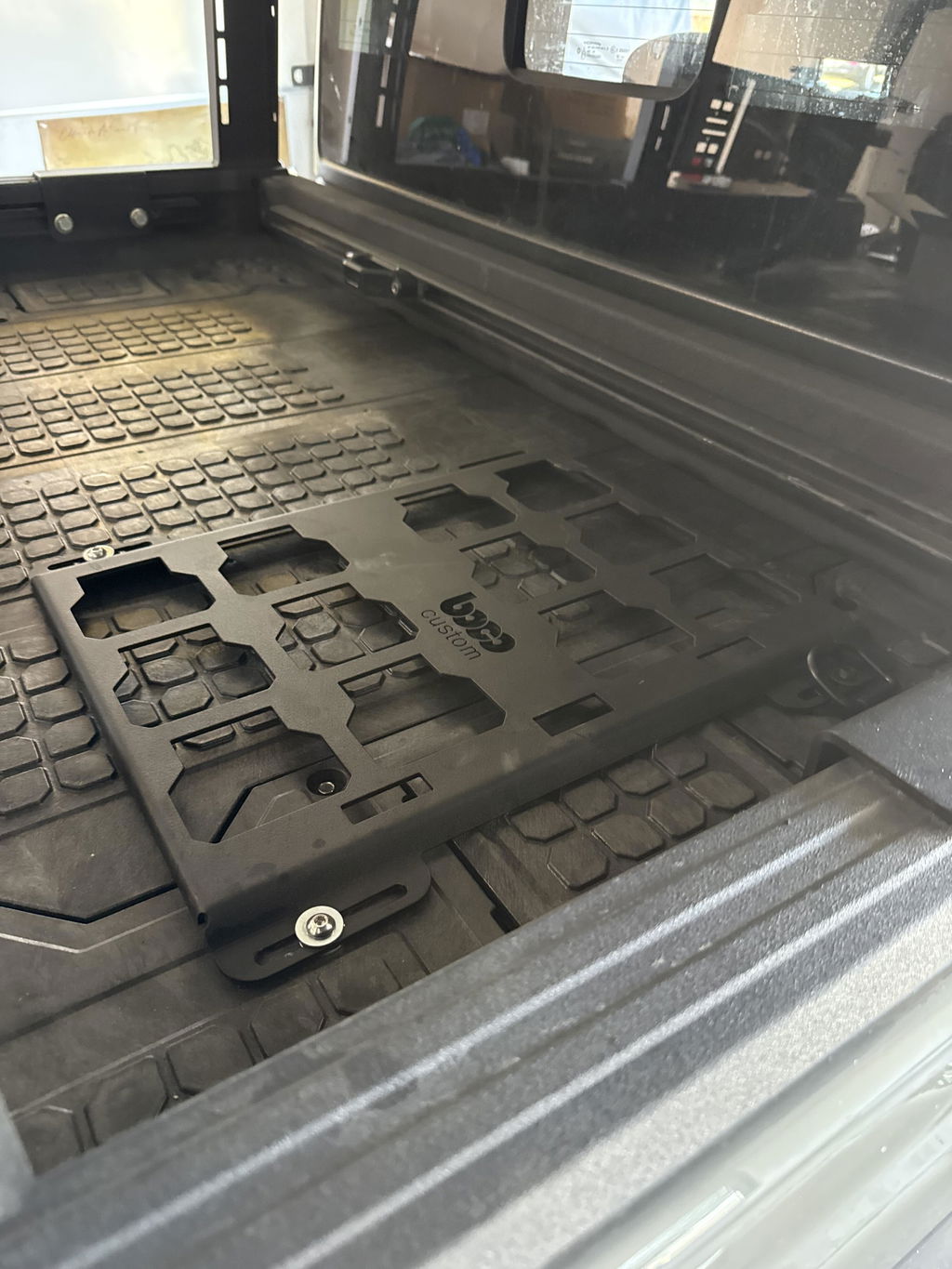
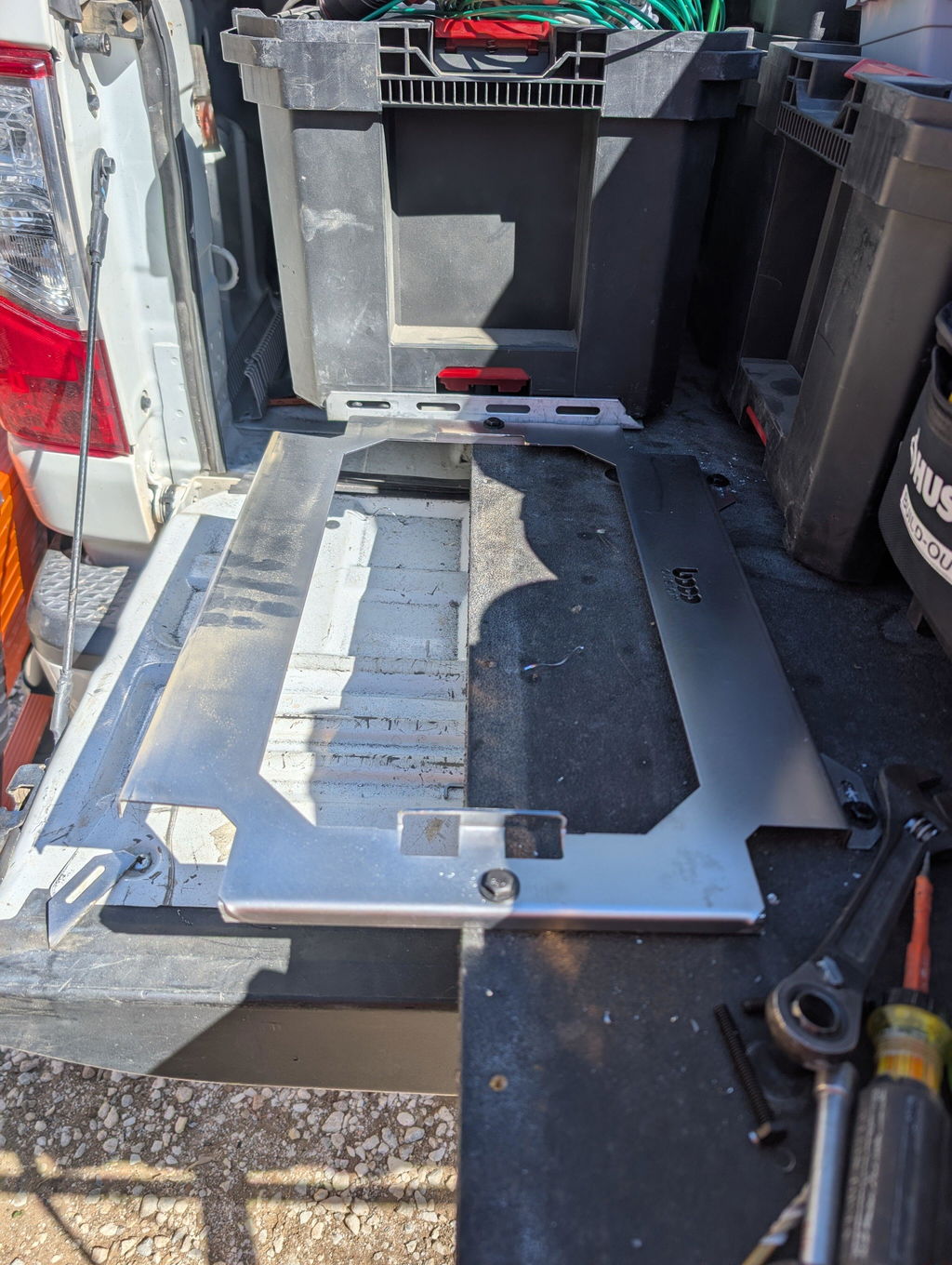
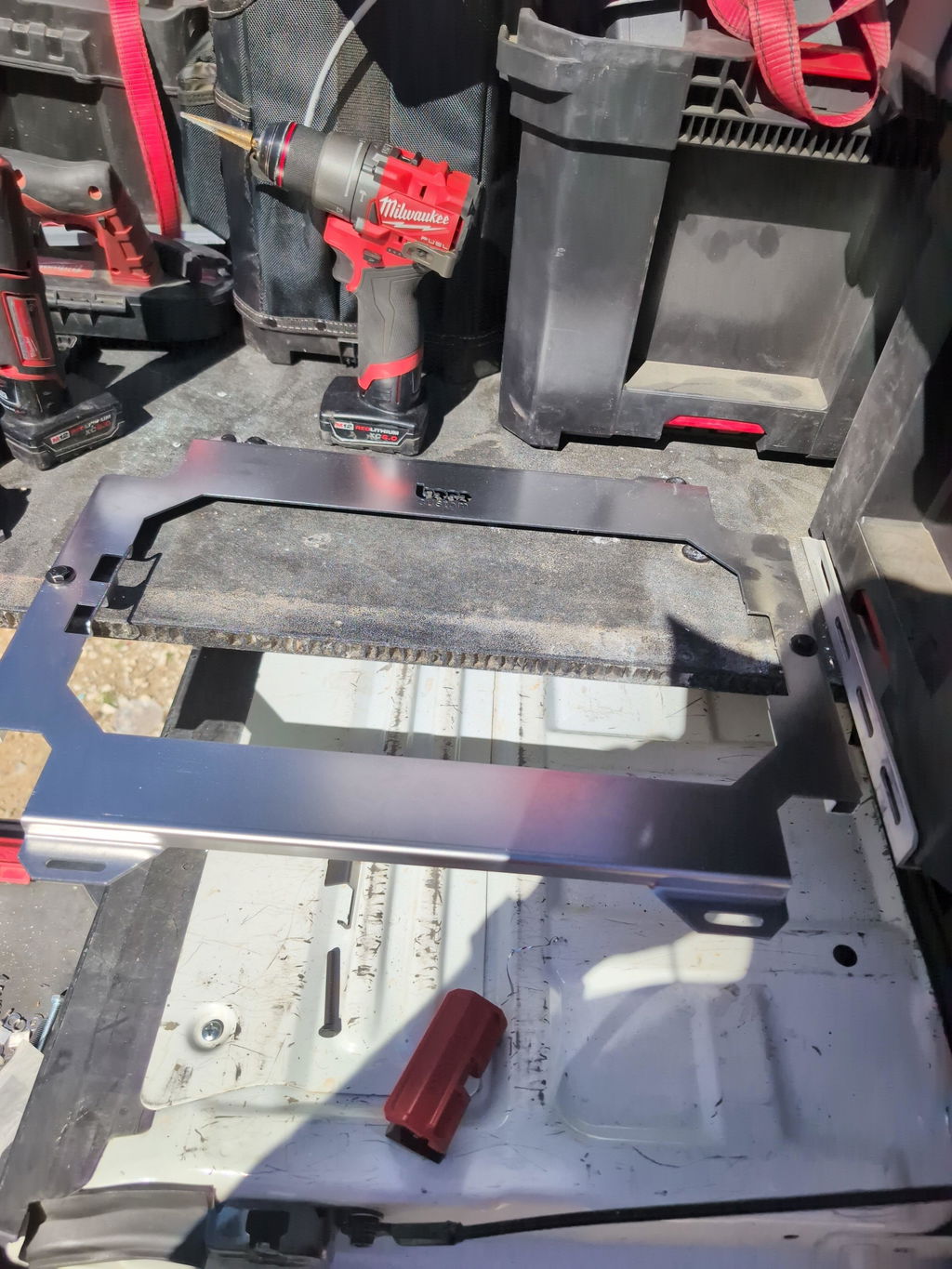
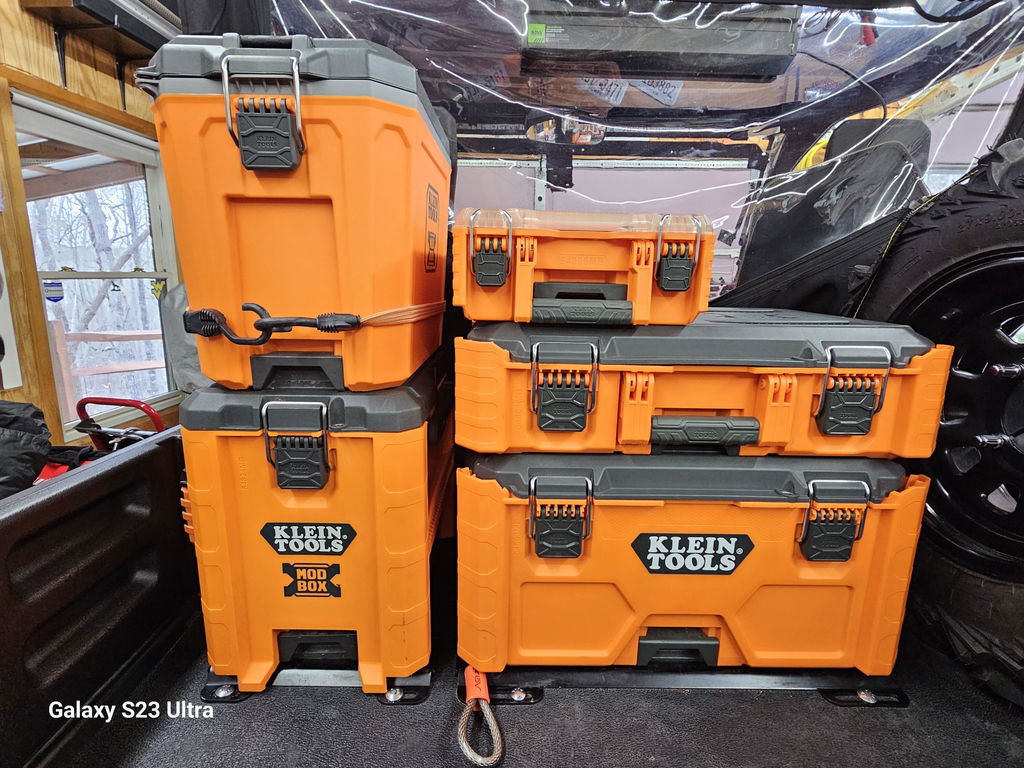
Tie Down Heavy Equipment: Use ratchet straps or heavy-duty tie-down cables attached to factory anchor points in truck beds or van floors.
-
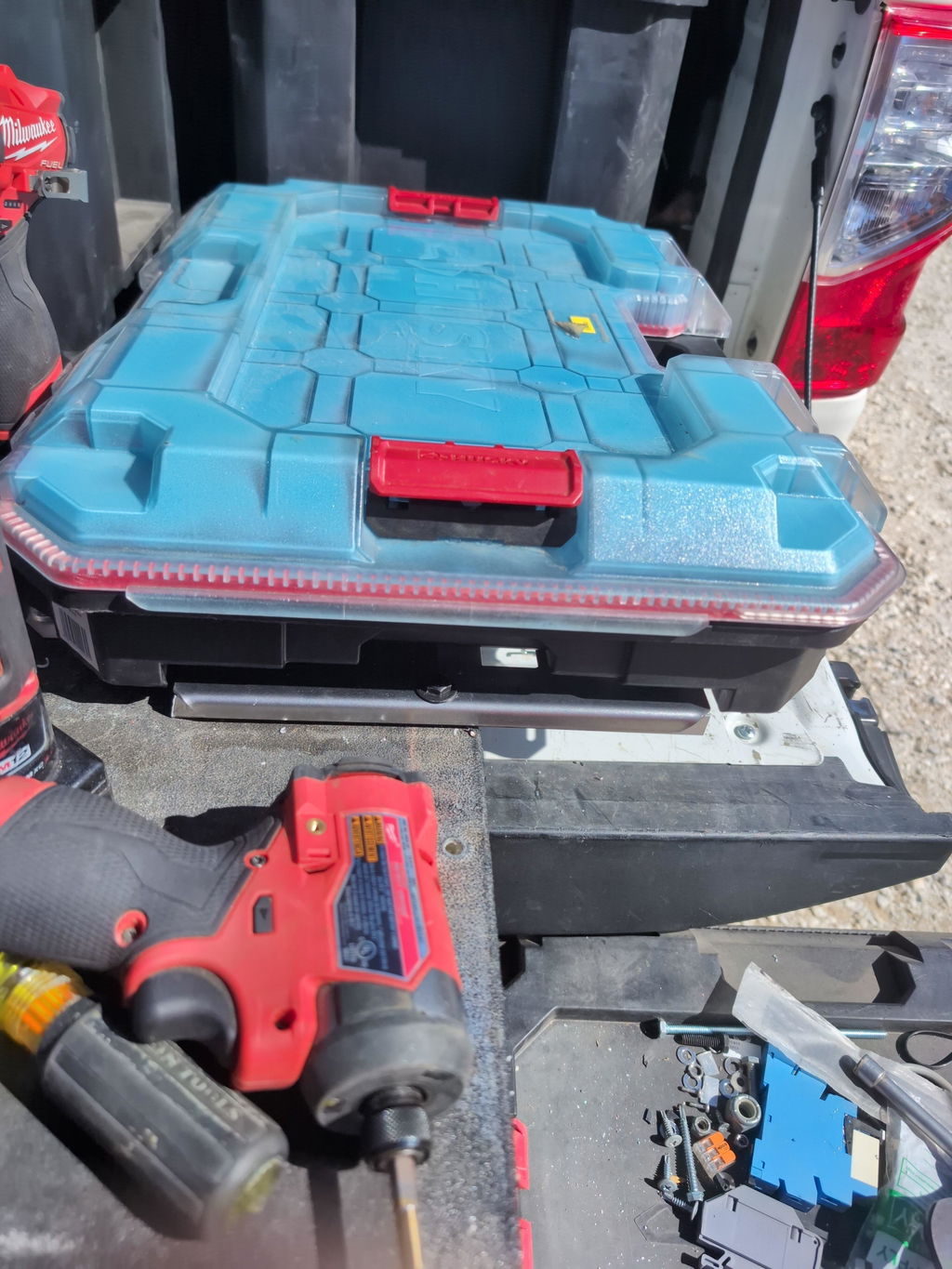
Store Small Tools in Latching Cases: Loose hand tools, sockets, and hitch balls should always be inside a closed, latched toolbox that is anchored down.
-
Utilize Cargo Nets & Shelving: Commercial work vans should always feature anchored shelving systems with lip guards or elastic cargo netting.
-
Keep the Passenger Cabin Clear: Avoid putting heavy, dense items (like spare batteries, floor jacks, or weights) loose on the back seat or rear parcel shelf.
-
Inspect Cargo Before Driving: Give every load the "shake test." If you can shift it easily with your hands, inertia will throw it with massive force during a crash.
Bottom Line
Your tools are your livelihood, but in a sudden stop, an unsecured tool can quickly become your greatest hazard. Whether you're outfitting a fleet of service vans or just hauling gear home from the hardware store, take two extra minutes to strap it down.
Disclaimers & Disclosures
AI Assistance Disclaimer: This article was created with the assistance of artificial intelligence (AI) tools. BOCO Custom LLC does not claim full ownership or sole human authorship of this written content and is not entirely responsible for any errors, omissions, or interpretations contained herein.
Product & Safety Ratings Disclaimer: BOCO Custom LLC makes no claims, warranties, or representations that any of our products, mounts, or mounting accessories are rated, certified, or crash-tested for traffic collisions, vehicular impacts, or high-speed crashes. Our products are intended solely for organizational and storage purposes. Vehicle operators are solely responsible for ensuring that all equipment, tools, and cargo are properly secured in compliance with applicable local, state, and federal safety laws and guidelines.


Dejar un comentario