dxf digital downloads
Cut-ready files for Laser, Plasma & Water-Jet cutting — download instantly and start fabricating today!
Shop now

On or after July 10, 2026
On or after July 10, 2026


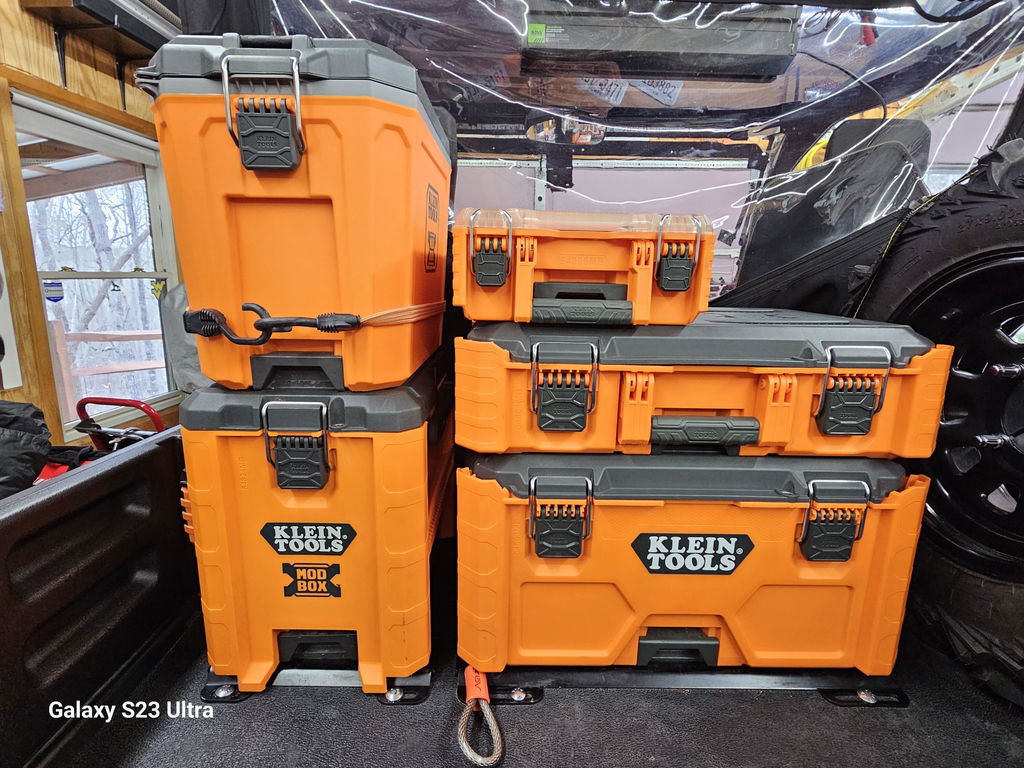
Stop settling for flimsy brackets. Lock down your Klein MODbox setup with precision laser-cut 10-gauge steel mounts built to handle a lifetime of abuse.

Ditch the weak DIY setups. Upgrade your DeWALT ToughSystem 2.0 with premium, heavy-duty steel mounting plates engineered for ultimate job site security

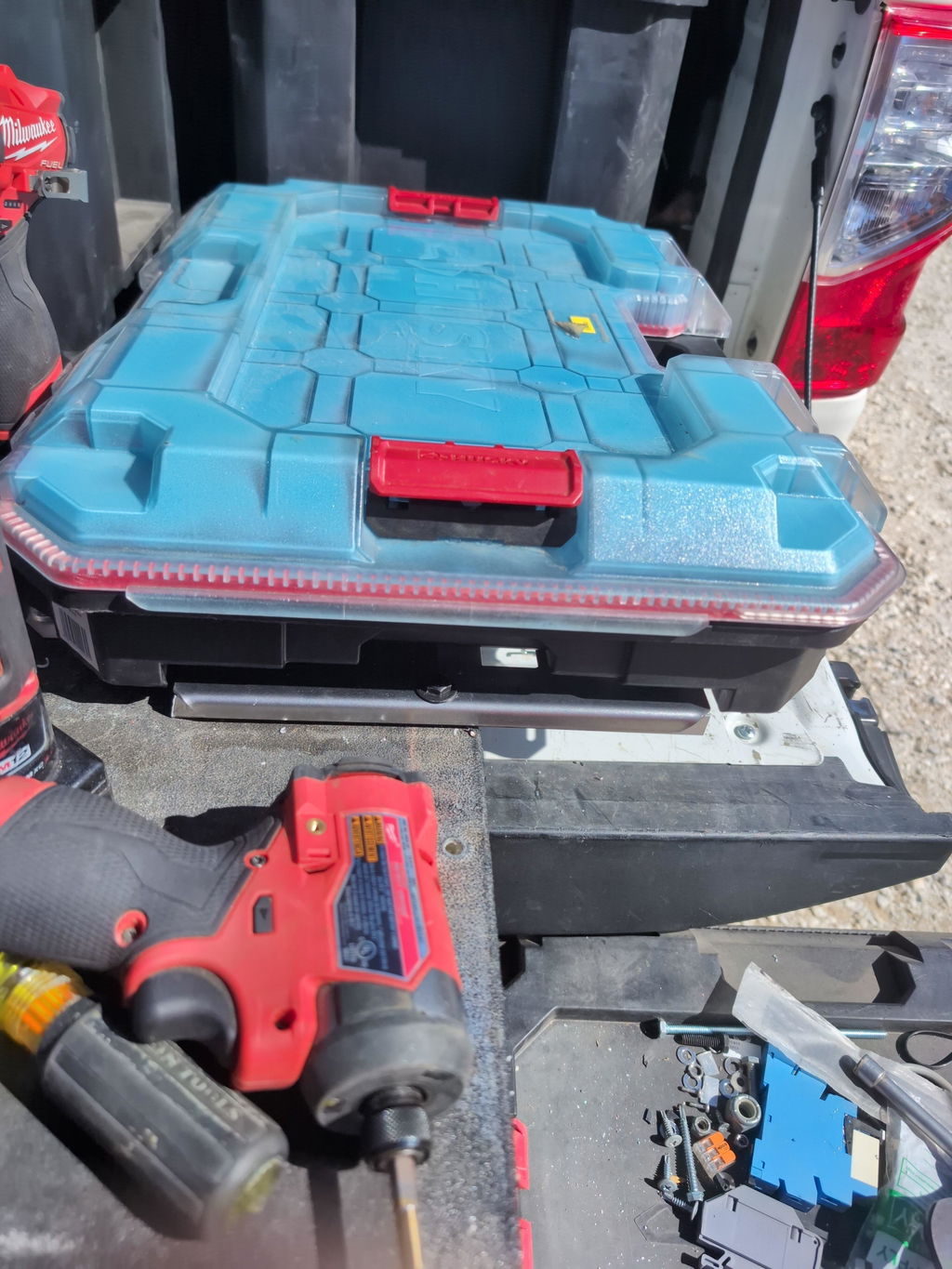
Stop buying plastic. Upgrade your packout and toolbox setup with premium, USA-made metal mounts that never quit.

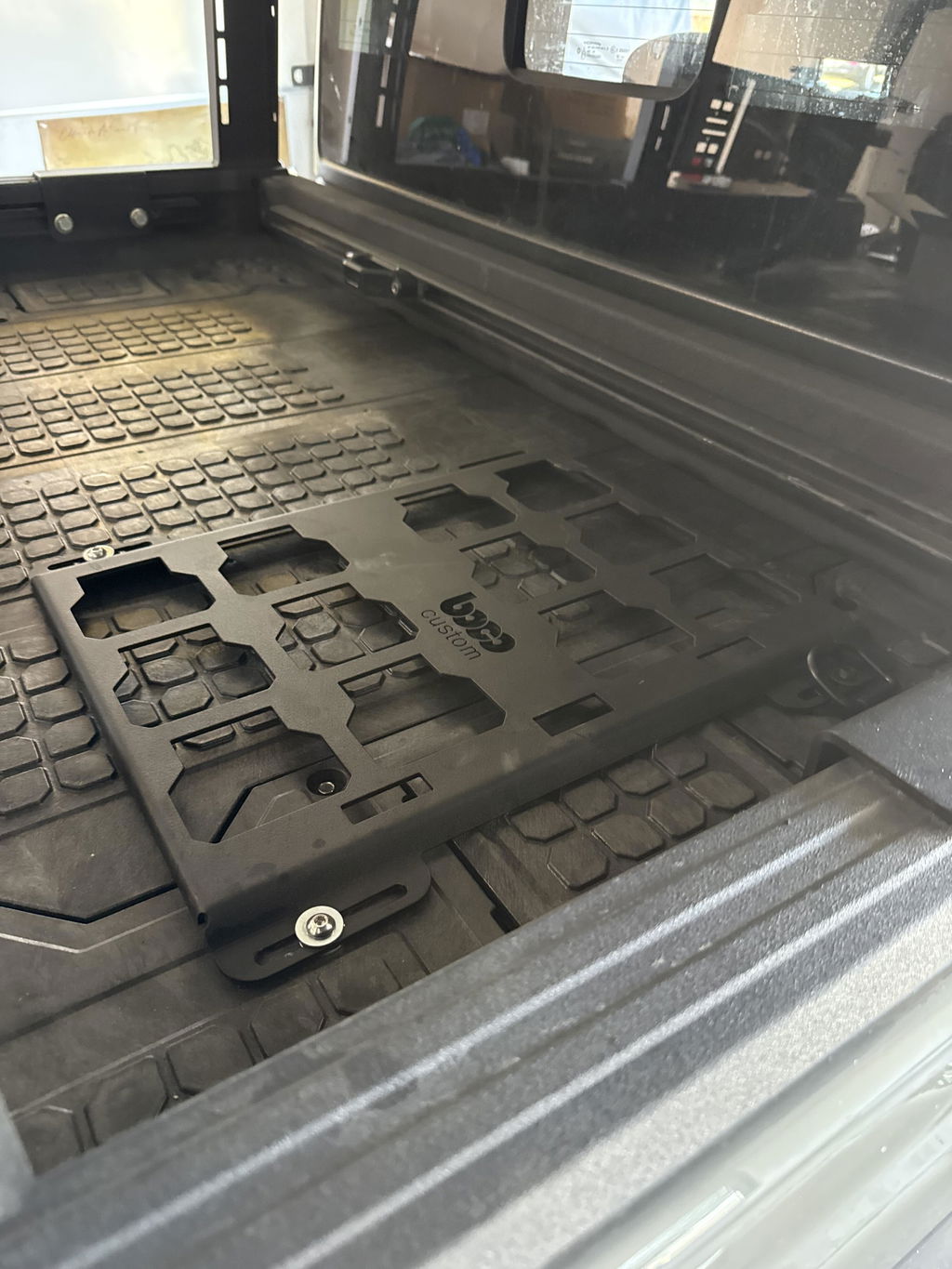
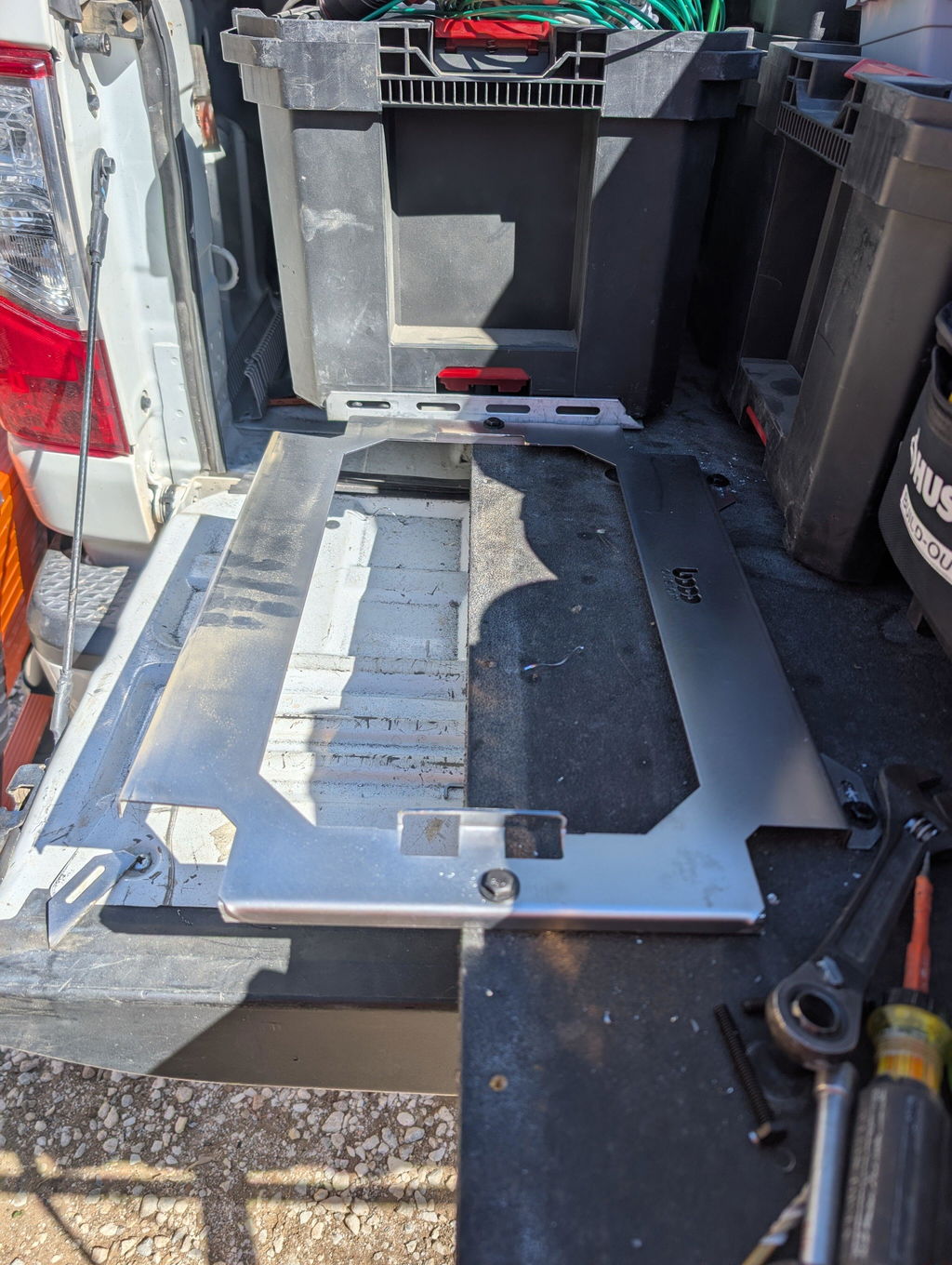
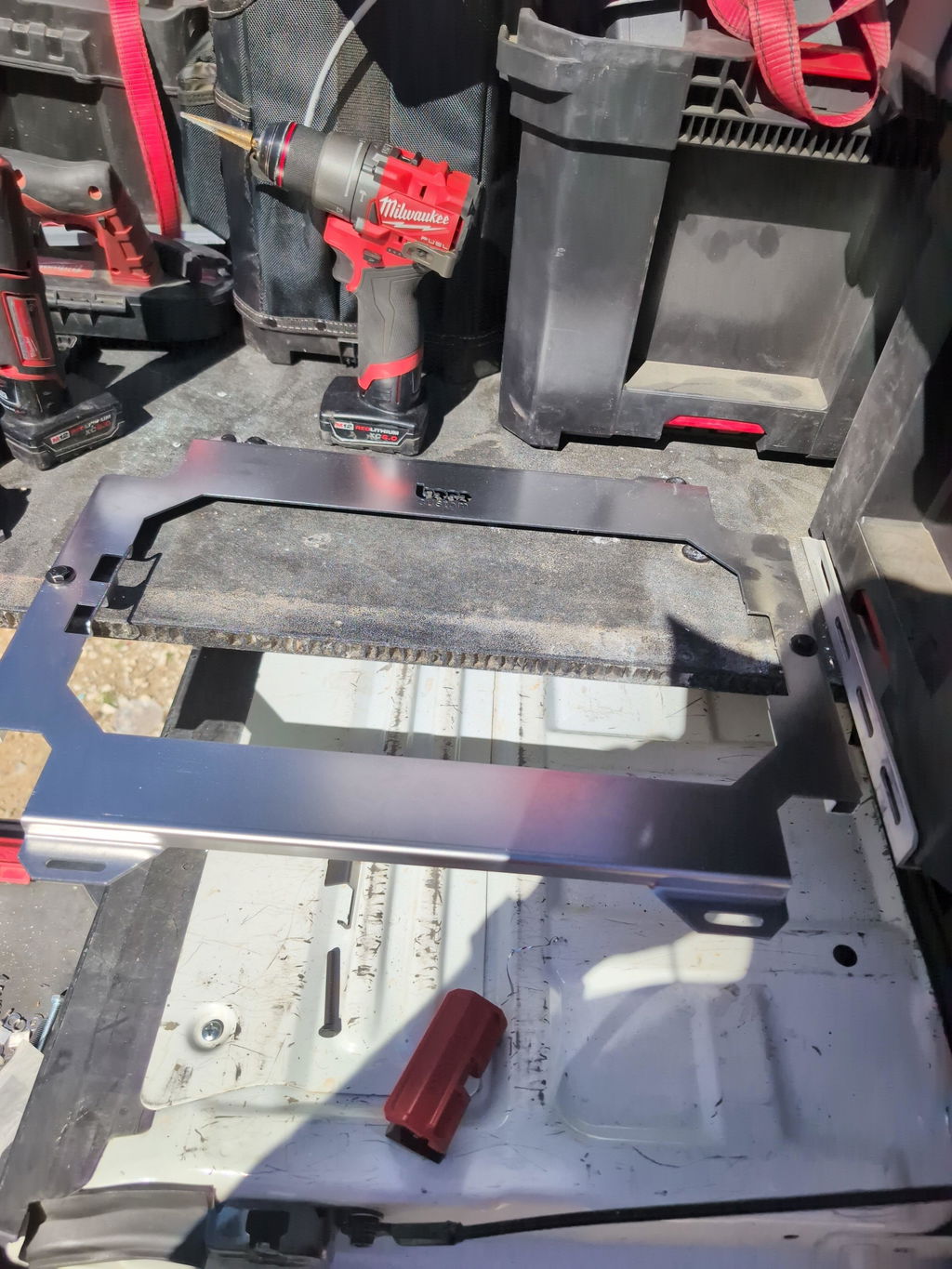
The ultimate mounting solution Husky forgot to make. Secure your Build-Out modular toolboxes with heavy-duty, USA-made metal plates that won't bend or break.


When Klein Tools launched their MODbox™ Wall and Floor Mounting Plate, it proved what we’ve known all along: tradespeople, fleet operators, and off-road builders need secure, modular mounting options for their gear. Plastic mounts may work fine for light duty...
Every fabricator has that one corner of the shop. You know the one—the graveyard of metal drops, skeleton sheets, and random cut-offs that are too good to throw away but just sitting around collecting dust. What if you could turn...
DEWALT ToughSystem Truck Trailer Mount Guide, YouTube: Heavy-Duty Mounting Plate Options for the DEWALT ToughSystem 2.0 DXL Modular System Pros looking for a heavy-duty mounting plate for the dewalt toughsystem 2.0 dxl modular system usually want one thing: an unyielding,...
Presentamos la placa de montaje BOCO Compat DeWalt para la Toughbox Dewalt ToughSystem 2.0. Resistente y de perfil bajo. Ideal para cualquier tall...
Ver todos los detalles¡Obtenga una placa de acero en bruto gratis con la compra de cualquier placa de paquete doble! Presentamos nuestra placa BOCO Compat para Milwa...
Ver todos los detallesHusky Build-Out Mounting Plate for Reliable Organization Stop sacrificing your toolboxes. Many users resort to disassembling a spare box just to us...
Ver todos los detallesMODbox Mounting Plate for Heavy-Duty Storage Solutions The Heavy-Duty 10-Gauge Steel Foundation for Klein MODbox Take your tool organization to the...
Ver todos los detallesLa solución definitiva de capacidad única, resistente y de perfil bajo Para quienes valoran la simplicidad, la resistencia y el espacio...
Ver todos los detallesThis is the BEST product I have bought in a long time!!! The design, quality, workmanship, and even how well it was packaged for shipping is all as good as can be. They fit the toolboxes perfectly and are seriously a game changer for folks that have wanted to mount stackable toolboxes in a way that they are secured but can still be removed. I've been a fabricator for 38 years and I honestly wouldn't change a thing about them. Communication was great and they even worked with my travel schedule so I could be home to receive them. I'm recommending these to everyone I know from now on. A++++ to this company!!!!
Gus F., Idaho
I was so excited when someone finally came out with mounting plates for the build-out system and I was so pleasantly surprised at the build quality and the machining accuracy of these mounting bases 10/10 would recommend or buy again.
Stephen O., California
I bought 4 milwaukee pack out brackets for my work van. I have tried the milwaukee version and they are plastic and bulky and 3d printed ones didnt hold up. These mounts from BOCO are solid i think 10 gauge steel and I've held up really well woth no rattling or issues in my van.
Eric P., Arizona
I like these, they are much more compact than what Milwaukee offers. I had them powder coated in silver vain and they look awesome. I love the bonus half rack they sent me. That’s the mark of a nice company.
Michael D., Washington
What a great option for mounting the Build-Out boxes to a surface! The specs say that the mounting bolt size (or screw?) is 1/4-inch, but I have to say that a 5/16" carriage bolt is a *perfect* fit. I mounted my case to a wooden deck. Carriage bolts cannot be removed from the top; so, this increases security for the base. I was surprised that the locking mechanism, when open, leaves the boxes free to lift out without using their red latches. I wasn't sure what to think about that at first. Given the heavy weight of my bottom box, having it completely unlatched makes it easier to remove without having to manipulate the red latches AND grip the heavy box for lifting. So, I approve! Not sure if those mounting to a wall would feel the same. Once closed, the locking mechanism is solid and accepts a standard padlock. The powder coat upgrade is beautiful and worth the extra price. Overall, this is a very solid base for mounting and some security. Great job!
Scott F., Virginia