Ir a contenido
SKU MACCR

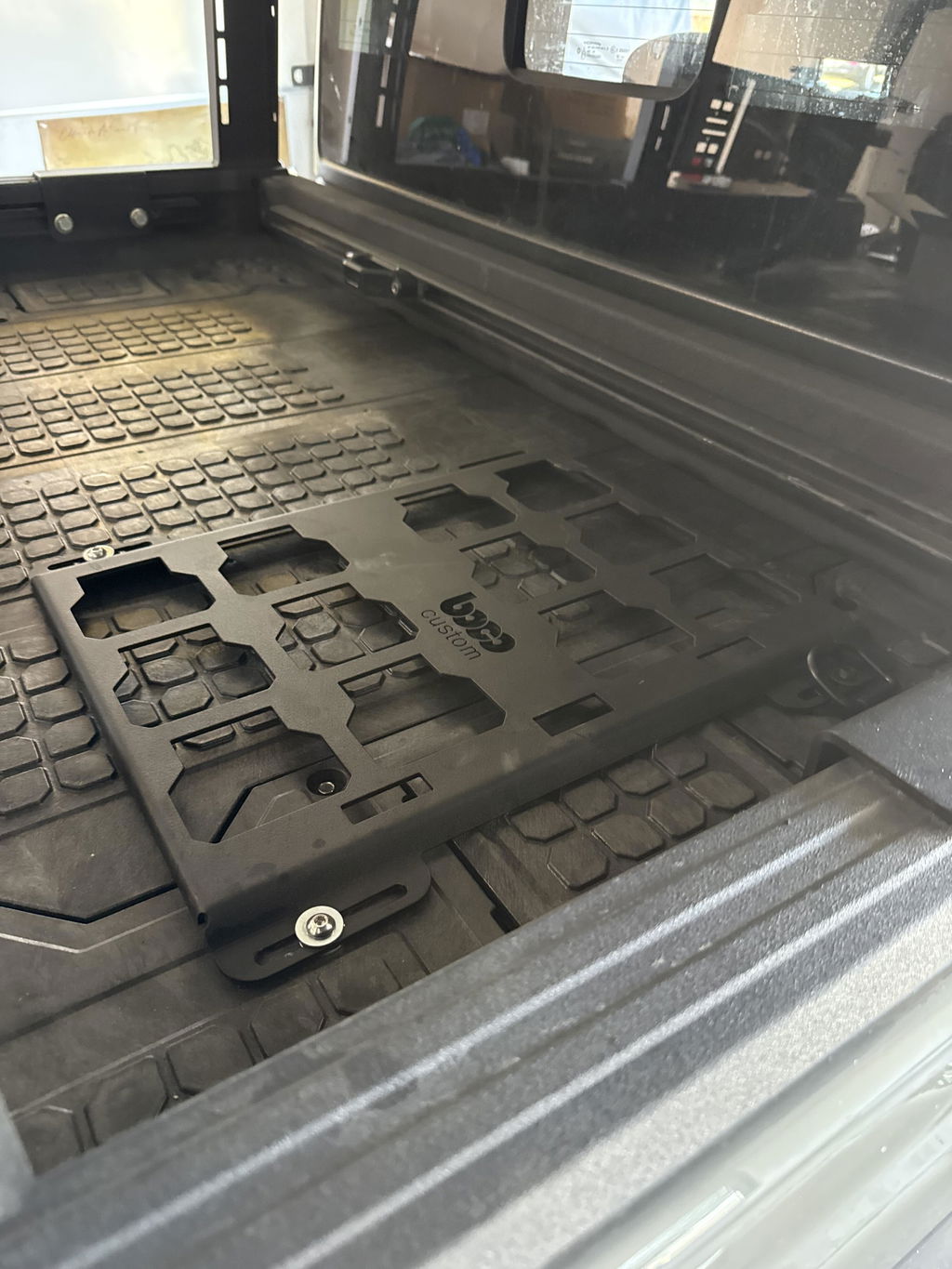
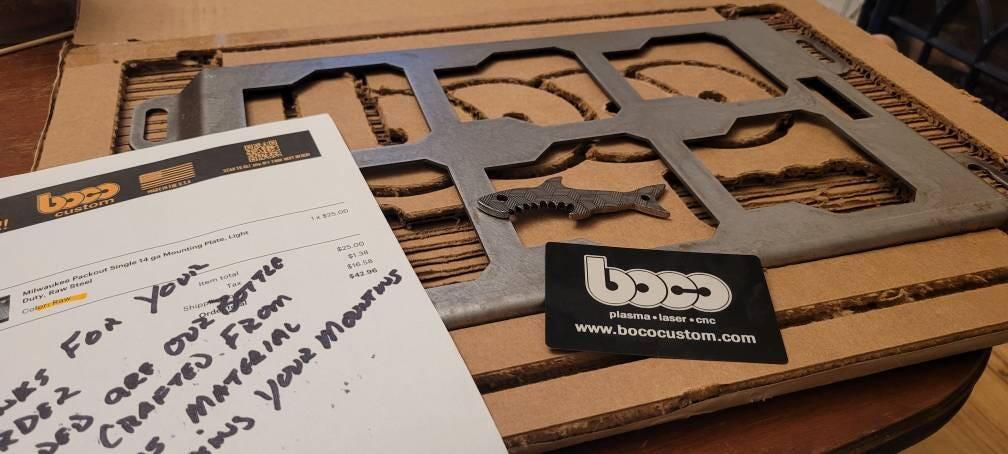
Soporte para accesorios Milwaukee Packout

Disponibilidad:
en stock, listo para ser enviado
Disponibilidad:
en stock, listo para ser enviado
Color: Crudo listo para pintar
Precio original $25.00 - Precio original $35.00
Precio original
$25.00
$25.00 - $35.00
Precio actual $25.00

Volume Pricing Available: Buying for a team or shop? We offer discounted shipping for bulk quantities. Send us a message for a personalized estimate.

USA MADE

This item is designed and manufactured in the United States

Product Description

Compatible con Milwaukee:

  • Porta rollos Packout
  • Bastidor de batería
  • Portaherramientas
  • Contenedores de almacenamiento
  • Ganchos de pared
  • & ¡más!

Presupuesto:

  • Material: acero crudo de calibre 14, sin revestimiento, listo para pintar

    FAQ

    What's the difference between metal types?
    • Mild Steel — our most common and go-to option: heavy, strong carbon steel that's affordable and versatile for heavy-duty applications (available in gauges like 10, 11, 12, 14).
    • Stainless Steel (like 304 or 316 grades): premium upgrade with excellent corrosion resistance — won't rust easily, even in wet, outdoor, or marine environments; durable with a shiny, attractive finish, but heavier and more expensive.
    • Aluminum (like 5052 alloy): lightweight (about 1/3 the weight of steel), naturally rust-resistant, easy to form, and great for weight-sensitive projects; excellent strength-to-weight ratio, ideal when you want no-rust performance without the heaviness of steel.
    Which finish should I choose?
    • Raw Steel — bare metal, lowest cost, quickest; needs protection to prevent rust.
    • Powder Coat — durable textured black finish; excellent rust/chip resistance for long-term use.
    • Stainless and aluminum ship with natural mill finishes (no rust concern) and can be powder coated on request. Check product pages for exact availability by metal and gauge.
    What do gauge numbers mean?

    Gauge numbers measure the thickness of sheet steel. Lower numbers = thicker material. A higher gauge number means thinner steel.

    How do I choose the right gauge for my project?
    • Choose thicker gauges (10 or 11) for heavy-duty strength, structural parts, or high-load applications. Example: Using the plate on a horizontal application such floor or dolly.
    • Choose thinner gauges (14) for lighter-weight parts, panels, or where cost matters more. Ideal for vertical applications suck as wall or bedside mount.
    Why does gauge go backward (lower number = thicker)?
    • The gauge system originated from the number of draws needed to produce wire/sheet of that thickness. Fewer draws = thicker material = lower gauge number.