Best Heavy-Duty Mounting Plates for Milwaukee Packout Secure Transport
Introduction: Why Heavy-Duty Mounting Plates Matter for Professional Tool Transport
Tool storage isn’t just about keeping gear tidy—it’s a safety, uptime, and profitability issue. When your crew relies on Milwaukee Packout in work vans, service trucks, or trailers, heavy-duty mounting plates turn a great storage system into a secure transport mounting system. Properly engineered plates keep modules from shifting under braking, vibration, or off-road jolts, reducing damage, preventing injuries, and preserving calibration for sensitive tools.
For professional trades, the stakes are higher. A plate that flexes, loosens, or corrodes becomes a point of failure. A low-profile, rigid solution that locks into Packout geometry and fastens cleanly to vehicle structure is the difference between daily confidence and constant rework. Boco Custom designs and fabricates USA-made, laser-cut mounting plates and precision DXF files so pros can secure stacks with predictable fit and repeatable installation—backed by a “won’t fail” standard that aligns with field realities, not lab conditions.
Selection Criteria: What Makes an Effective Mounting Plate Solution
The best heavy-duty mounting plates share a set of characteristics that directly influence safety and service life:
Structural integrity under dynamic loads: Rigid design with minimal deflection during acceleration, hard stops, impacts, and vibration.
True-to-system latch geometry: Accurate cutouts and latch engagement for Milwaukee Packout so modules seat positively and release without binding.
Low-profile design: Minimal stack height and snag points, especially important for drawers, bed slides, and narrow aisles.
Robust fastening strategy: Multiple through-bolt or rivnut patterns, clearance for washers/backing plates, and compatible hole sizing for durable storage fastening hardware.
Corrosion resistance: Proper base material and finish to handle condensation, road salt, and jobsite exposure.
Noise and rattle control: Tight tolerances and optional isolators or pads to keep things quiet over rough surfaces.
Ease of cleaning: Openings and edges that don’t trap debris; powder coat or brushed finishes that wipe down quickly.
Scalable formats: From single-footprint plates to extended arrays for vans, trailers, and shop walls.
Documentation and accuracy: Clear dimensional information and fabrication-ready DXF files when self-cutting or customizing is required.
Proven manufacturing quality: USA-made, laser-cut precision with consistent flatness and edge quality.
Boco Custom focuses on these fundamentals across steel and aluminum options, with secure, low-profile tool storage solutions tuned for modular tool organization plates in demanding service.
Best Standard-Size Mounting Plates for Maximum Compatibility
Standard-size plates are the workhorse for Milwaukee Packout users. They’re designed around the familiar Packout footprint so boxes, organizers, and drawers click in with the same confidence you get from OEM bases—only now you can put them exactly where you want them in a van, on a shelf, or inside a drawer system.
What to look for in a standard-size plate:
Footprint fidelity: The latch geometry should match Packout interfaces so modules land and lock naturally without forcing.
Versatile hole maps: Multiple mounting patterns let you through-bolt to wood, steel ribs, aluminum extrusions, or bed slides without improvised drilling.
Edge and corner treatment: Clean, rounded edges reduce snagging cables, straps, or clothing as you load materials.
Service access: Room around latch points for gloved hands to release modules quickly.
Use cases where standard plates excel:
Single-module stations inside service vans for the most used Packout boxes.
Shelf-top plates that hold organizers while keeping the aisle clear.
Tool room or shop cart mounting for consistent dock-and-go workflows.
For crews standardizing across multiple vehicles, a set of identical plates placed in the same positions ensures every technician can move between rigs without relearning layouts. This is where a precise, repeatable plate solution saves more time than it costs.
Top Low-Profile Options for Compact Tool Organization
Low-profile mounting plates minimize added height and eliminate protrusions that catch on cargo or limit drawer clearance. They’re especially valuable when you’re:
Mounting Packout inside shallow drawers, under-benches, or on slide-out trays.
Working with cap-limited pickup beds or low-roof vans.
Seeking a clean, nearly flush look in customer-facing environments.
Quality low-profile plates typically combine thin-but-strong material, countersunk or button-head hardware, and a slim perimeter to preserve storage volume. Look for plates that nest latch features efficiently so the plate guides the module into place without adding bulk.
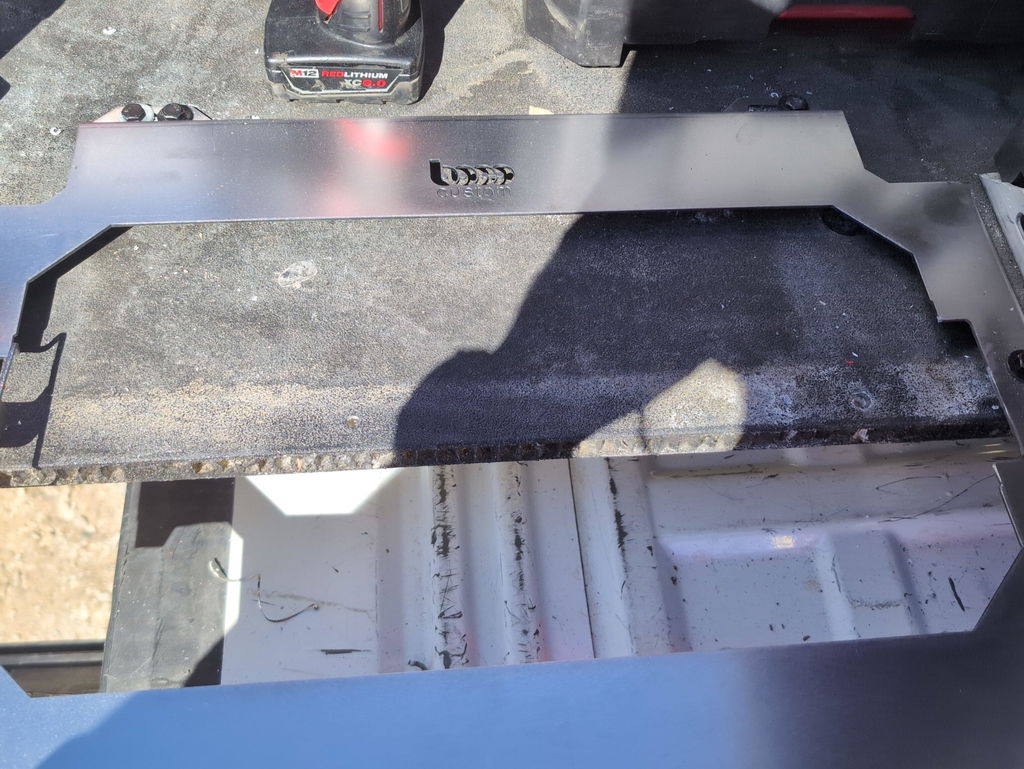
Illustration 1
If you run multiple systems side-by-side, consider that this same low-profile engineering applies beyond Packout. For example, Boco Custom’s Klein MODbox low-profile plate illustrates how a slim, rigid plate can keep stack height down without compromising security—a useful reference point when you’re building out mixed fleets or transitioning teams.
Heavy-Duty Mounting Solutions for Extended Storage Systems
Extended storage systems tie multiple modules across longer surfaces—van floors and walls, utility truck bodies, trailer decks, and shop benches. In these environments, the plate system must distribute load, provide consistent latch interfaces, and integrate with structural fastening points.
Core considerations for extended arrays:
Panelization strategy: Decide between a single large plate or multiple modular plates tiled together. Tiled panels are easier to install, service, and reconfigure.
Alignment and registration: Plates should maintain precise spacing so every Packout clicks in without drift across the array.
Integration with vehicle structure: Aim for through-bolt attachment into ribs or crossmembers, or use rivnuts where backside access is limited.
Service routing: Ensure wiring, compressed air lines, and E-track/Unistrut accessories can coexist without trapping fasteners.
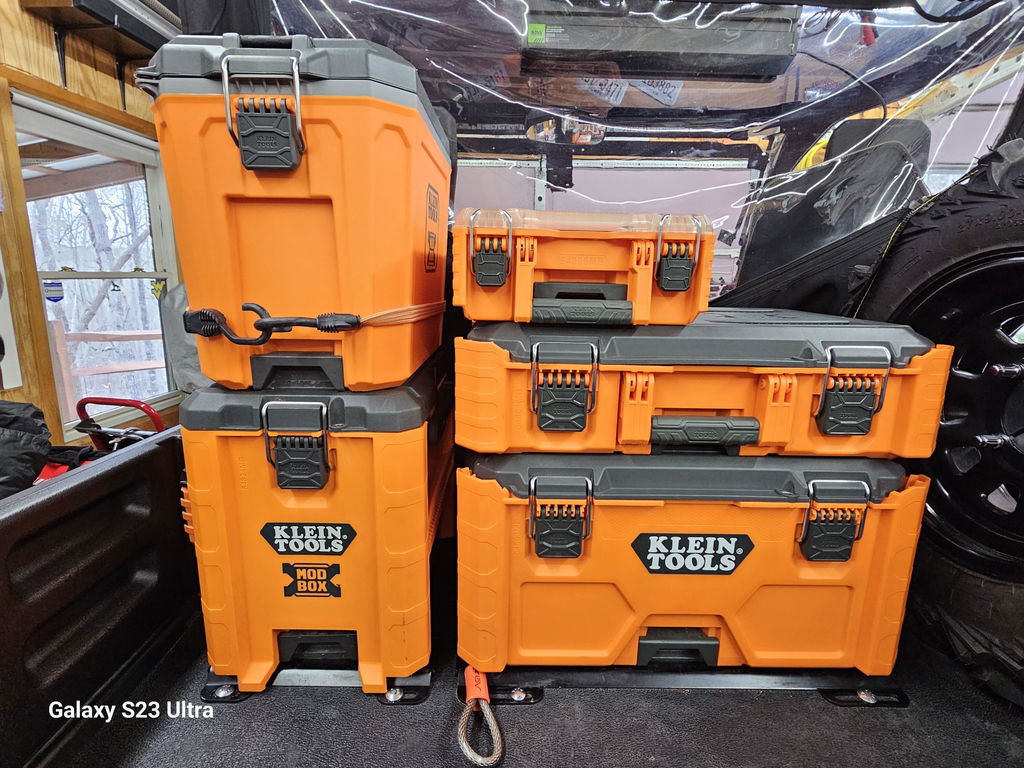
Teams that blend Klein MODbox or other ecosystems can apply the same principles. For example, a heavy-duty low-profile layout for MODbox, such as Boco Custom’s ModBox heavy-duty mounting plate, can live on the opposite wall from Milwaukee Packout arrays, standardizing the secure transport mounting systems across brands while maintaining separate workflows and color-coding.
Comparison Summary: Performance and Durability Across Options
Choosing between standard-size, low-profile, and extended-array solutions comes down to workspace priorities. Here’s a concise performance snapshot:
Standard-size plates
- Strengths: Fast install, universal placement, easy replacements, predictable latch performance. - Best for: Core tools and organizers near the point of use; shelf tops; carts. - Trade-offs: More seams if you later scale into larger arrays.
Low-profile plates
- Strengths: Maximum clearance in drawers and low-roof vehicles; sleek look; minimal snagging. - Best for: Slide-out trays, tight aisles, and customer-facing builds that require a refined finish. - Trade-offs: Demands precise fastening and attention to hardware length to preserve the low profile.
Extended arrays
- Strengths: High-density layout, fleet consistency, and rapid deck loading/unloading. - Best for: Service vans, trailers, and shop walls where you need many Packout positions without improvisation. - Trade-offs: More upfront planning; consider panelized designs for maintainability.
Across all types, durability hinges on material choice, plate thickness relative to span, fastening quality, and corrosion protection. Properly executed, each option provides rigid, low-maintenance service with minimal rattle and fast module changes.
Sizing Guide: Selecting the Right Mounting Plate Dimensions
A successful installation starts with accurate measurements and a plan for clearances. Use this step-by-step approach:
1) Define module mix and orientation
List the Packout modules you’ll mount and their latch orientation.
Group by frequency of use; keep high-rotation items within easy reach.
2) Measure the space
Record width, depth, and height—include door openings, wheel wells, shelves, drawer interiors, and slide travel.
Note any protrusions (hinges, tie-down rings, wiring) that reduce usable space.
3) Decide on plate format
Single-footprint plates: Ideal for targeted locking points and incremental expansion.
Dual/triple-footprint plates: Useful for common pairings like a toolbox plus organizer.
Panelized arrays: Tile plates to cover long surfaces while keeping sections serviceable.
Release path: Keep enough finger room at latch points for easy removal.
Aisle width: Maintain a safe walkway; prevent lids from striking adjacent fixtures.
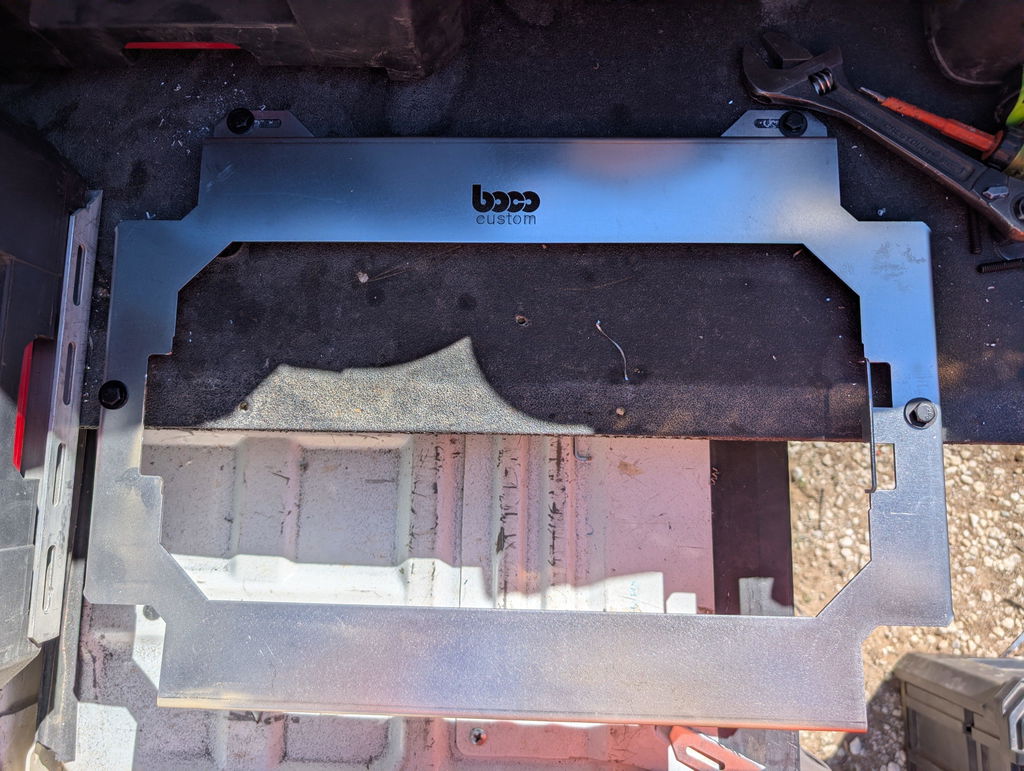
Illustration 2
5) Confirm fastening zones
Identify ribs, crossmembers, or backing plates for through-bolts.
Mark no-drill areas (fuel lines, electrical) and plan rivnuts or alternative anchors where needed.
6) Validate access flow
Dry-fit with cardboard templates or tape outlines before drilling.
Check visibility of labels and the ability to remove the heaviest box without twisting.
Selecting the right dimensions is ultimately about ergonomics and safety. The best fit is the one that shortens reach, reduces lift strain, and guarantees clean latch engagement every time.
Material Considerations: Steel vs. Aluminum for Your Needs
Both steel and aluminum excel in mounting applications; the right choice depends on priorities.
Steel
Advantages: Highest stiffness and impact resistance at a given thickness; excellent thread-holding with rivnuts; cost-effective; robust under high-cycle vibration.
Considerations: Heavier than aluminum; requires protective coating for corrosion resistance; magnetic properties can be useful for accessories.
Finish options: Powder coat for durability; zinc-rich primers; e-coat or paint for additional environmental exposure.
Aluminum
Advantages: Lightweight for easier handling and lower vehicle weight; naturally corrosion-resistant; good for marine/coastal regions and high-condensation environments.
Considerations: Slightly more deflection than steel at equal thickness—design around span or use strategic fastener placement; manage galvanic isolation when using stainless or steel hardware.
Finish options: Powder coat, clear coat, or anodizing depending on exposure and aesthetic goals.
Mixed-material builds
Use steel for high-impact floor plates and aluminum for wall or ceiling plates to balance weight and rigidity.
Isolate dissimilar metals with nylon washers, sealants, or isolator pads to avoid galvanic corrosion.
Boco Custom laser-cuts both steel and aluminum with tight tolerances, delivering clean edges that reduce snag points and speed installation. For most Packout applications, either material performs exceptionally when paired with a thoughtful fastening layout and appropriate finish.
Installation and Security Features Comparison
Mounting plates are only as reliable as their installation. Plan for both structural security and day-to-day usability:
Fastening methods
Through-bolts with fender washers/backing plates: Highest strength, ideal for floors and decks.
Rivnuts (nutserts): Excellent where backside access is limited; specify the correct grip range for material thickness.
T-nuts in wood substrates: Useful in drawer boxes or plywood decks; lock with threadlocker.
Self-tapping screws: Acceptable for light-duty trim but not recommended as primary anchors in structural installs.
Security and retention
Tamper-resistant hardware: Torx security, pin-in-hex, or similar fasteners deter theft.
Integrated lock points: Select plates with holes or tabs that accept padlocks or cable locks through the Packout handle or accessory eyelets.
Secondary tie-downs: Add D-rings or E-track near arrays for large cargo days without compromising plate access.
Noise and longevity
Use threadlocker on all fasteners; check torque after the first week of service.
Consider rubber isolators or thin foam pads beneath plates on metal decks to reduce drumming.
Deburr and seal any drilled holes to prevent corrosion wicking.
Serviceability
Panelized arrays simplify future reconfiguration or replacement.
Keep a mapped layout of fastener locations to speed inspection and warranty claims if needed.
With these practices, even compact low-profile plates deliver quiet, rattle-free performance and trustworthy retention in harsh conditions.
USA-Made Quality and Warranty Protection
Precision matters when you expect a plate to “just work” for years. Boco Custom fabricates in the USA using industrial laser cutting for crisp geometry, consistent flatness, and repeatable latch engagement. USA-made production shortens feedback loops, so dimensional tweaks and custom requests translate quickly into accurate parts.
Illustration 3
More than fit and finish, long-term confidence comes from materials and processes chosen for field abuse: proper alloys, smart fastener interfaces, and finishes that resist chip-and-rust cycles. Boco Custom’s products are guaranteed not to fail under intended use, and local pickup is available for teams that want to inspect components in person or coordinate batch outfitting. When your tools are how you make a living, warranty is more than paperwork—it’s a design target.
DXF File Customization Options for Unique Requirements
Many shops prefer to fabricate in-house or with a trusted local cutter. That’s where instant-download DXF files streamline production. Boco Custom offers fabrication-ready DXFs that reflect proven latch geometry and mounting patterns, so you can cut steel, aluminum, acrylic, or wood with confidence.
Ways to use DXF customization effectively:
Tailor the footprint: Extend a standard plate to span two Packout positions or trim it to clear a van rib—without redrawing latch details from scratch.
Add branding or labeling: Integrate your company logo, module labels, or QR codes for inventory into non-structural areas.
Pre-fit hardware: Include countersinks or slot adjustments to match the fasteners and tools you already stock.
Material flexibility: Cut aluminum for marine environments, steel for heavy floor duty, or even acrylic/wood prototypes to test fit before committing to metal.
Finish preparation: Add hang holes or tabs for powder coat lines; adjust edges for radius preferences.
Workflow tips for fabricators:
Verify scale on import to your CAM software; confirm kerf compensation and pierce clearance to maintain exact latch geometry.
Dry-fit with a scrap cut or prototype in sheet goods before running high-volume batches.
Deburr and break edges; add a light chamfer to latch openings for smooth dock/undock.
Use quality hardware and proper isolation where dissimilar metals meet.
If you prefer turnkey production, Boco Custom also provides custom design and laser cutting services, from one-off plates to full fleet kits, ensuring the secure transport mounting systems you deploy match your exact requirements.
Final Recommendations: Choosing Your Ideal Mounting Solution
Match the plate type to your workflow, vehicle, and environment:
Service vans and mobile technicians
- Go with panelized standard-size plates along the floor and lower walls for the most-used Packout modules. - Choose steel for floor arrays; use aluminum on walls to save weight. - Keep low-profile plates for slide-out trays or shelves where lid clearance is tight.
Pickup beds and cap-equipped trucks
- Low-profile plates on bed slides or under tonneau covers maximize vertical space. - Through-bolt into bed ribs with backing plates; seal all penetrations to prevent corrosion.
Trailers and utility bodies
- Extended arrays support high-density storage without improvisation. - Incorporate secondary tie-downs and leave service channels for wiring and hoses.
Shops, fab rooms, and facilities
- Standard plates on carts and benches establish repeatable dock points that mirror field rigs. - Consider acrylic or wood prototypes from DXFs to test layouts before committing to metal.
Mixed-system fleets (Packout + MODbox)
- Maintain separate, clearly labeled plate zones to prevent cross-attachment confusion while benefiting from uniform low-profile design. - Reference low-profile MODbox plates as a design guide if you’re aiming for identical aesthetics across brands.
Fabricators and OEM upfitters
- Leverage instant-download DXF files for rapid iteration and precise, repeatable cut parts. - Standardize hole patterns and fasteners across builds to simplify service and inventory.
In all cases, prioritize: accurate Packout geometry, rigid materials, low-profile execution where space is tight, and fastening strategies that tie into structure—not just skin panels. When those boxes are checked, heavy-duty mounting plates transform Milwaukee Packout from a smart storage idea into a proven, professional-grade transport system.
Boco Custom’s focus on USA-made, laser-cut quality, low-profile tool storage solutions, and fabrication-ready DXFs offers a practical pathway—whether you’re equipping a single truck or an entire fleet. Choose the configuration that fits your daily workflow, verify clearances before drilling, and lock in a layout that keeps tools secure, accessible, and protected for the long haul.
Standard shipping takes 5 to 7 business days. Express (2 to 3 days) and overnight options are available at checkout. Orders over $50 ship free.
Can I order online and pick up in store?
Yes. Select "Pick up in store" at checkout and choose your nearest location. Most orders are ready within 2 hours.
What if my order arrives damaged?
Contact us within 7 days of delivery with your order number and a photo. We'll arrange a replacement or refund, no return shipping required.
AI-Generated Content Disclosure
This blog post was created with the assistance of RankGPT, an AI-powered tool designed to generate high-quality, SEO-optimized content at scale.
As a small business embracing modern technology, we use AI to help us:
Produce informative articles more efficiently
Increase our online visibility through better performance in traditional search engines (like Google) as well as emerging AI-powered searches and answer engines
Reach more potential customers and grow our presence in a competitive digital landscape
By leveraging tools like RankGPT, we're able to publish valuable content more consistently and scale our efforts in ways that would otherwise take significantly more time and resources.
Important notes for readers:
While RankGPT helps create well-structured and relevant content based on current best practices, AI-generated posts are not always 100% accurate, complete, or free from errors.
The information, opinions, and perspectives expressed may not fully reflect the exact views, experiences, or official positions of Boco Custom, its team members, or the individuals involved in our business.
AI content should be viewed as a starting point or general resource—not as personalized professional advice, definitive facts, or a substitute for direct consultation with us or qualified experts.
We always recommend verifying important details independently, especially for decisions related to custom products, services, or any business matters.
We are committed to transparency and continually work to improve our content. If you have questions, feedback, or spot any inaccuracies, please reach out—we genuinely appreciate it!
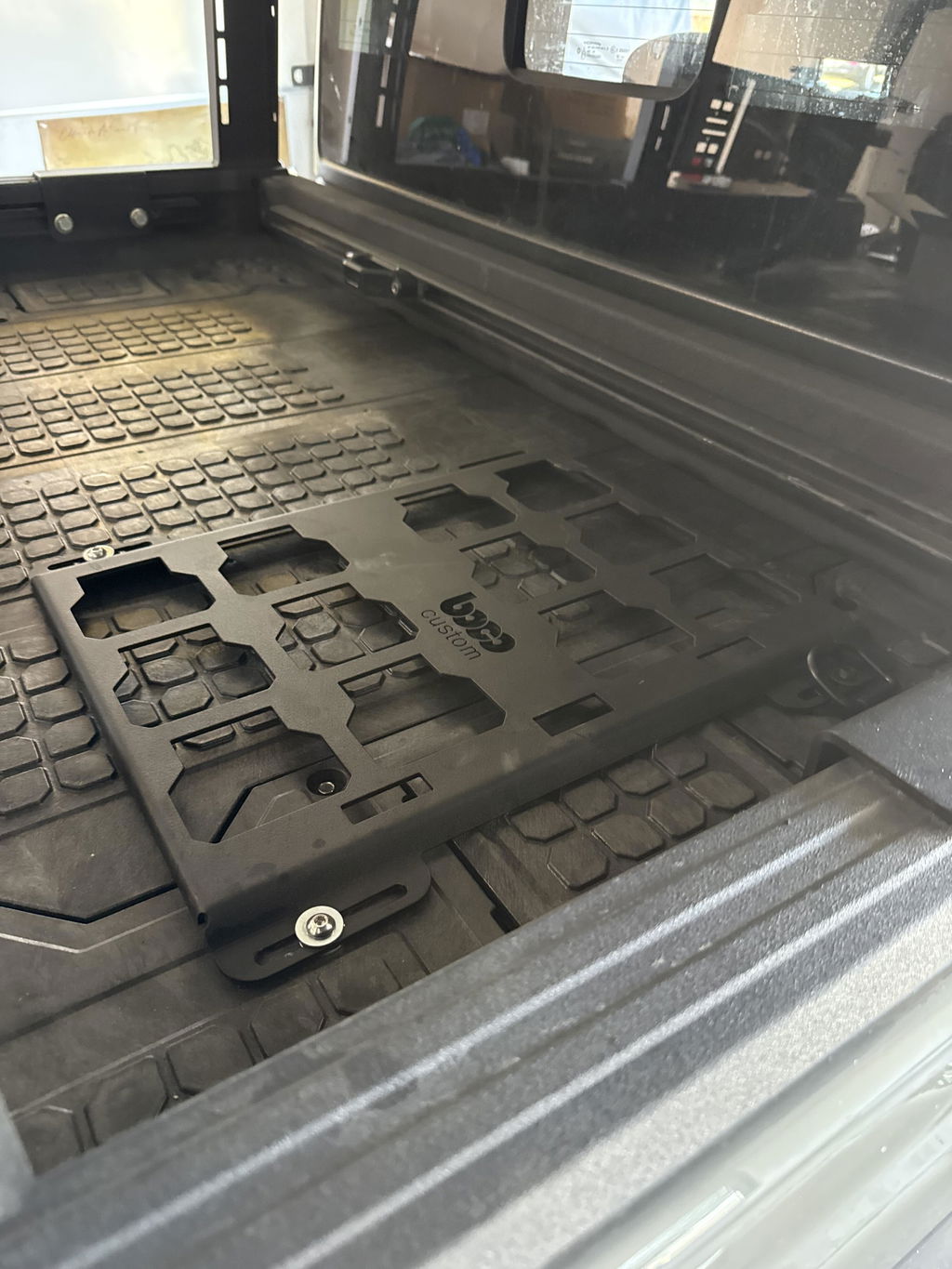
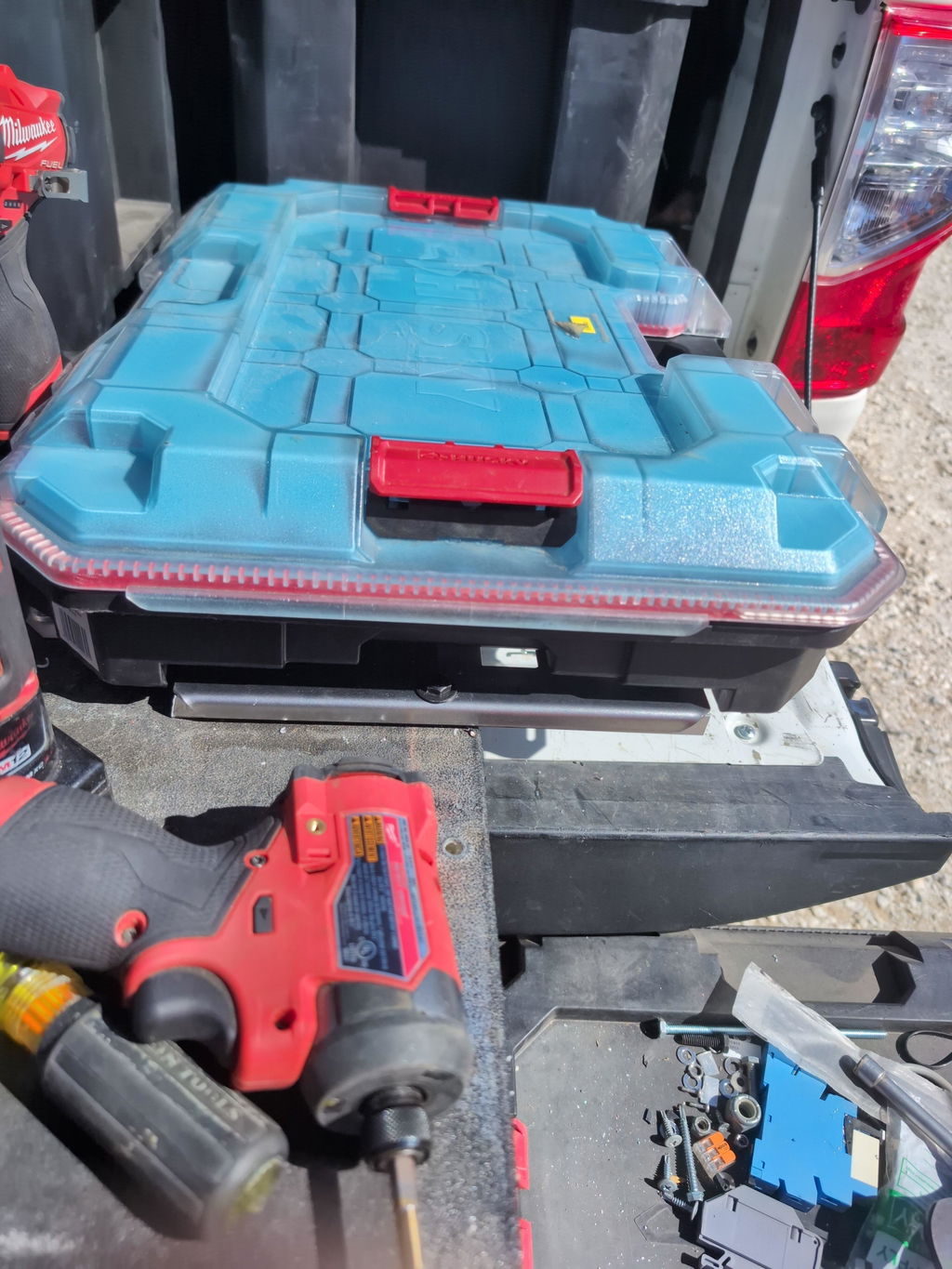
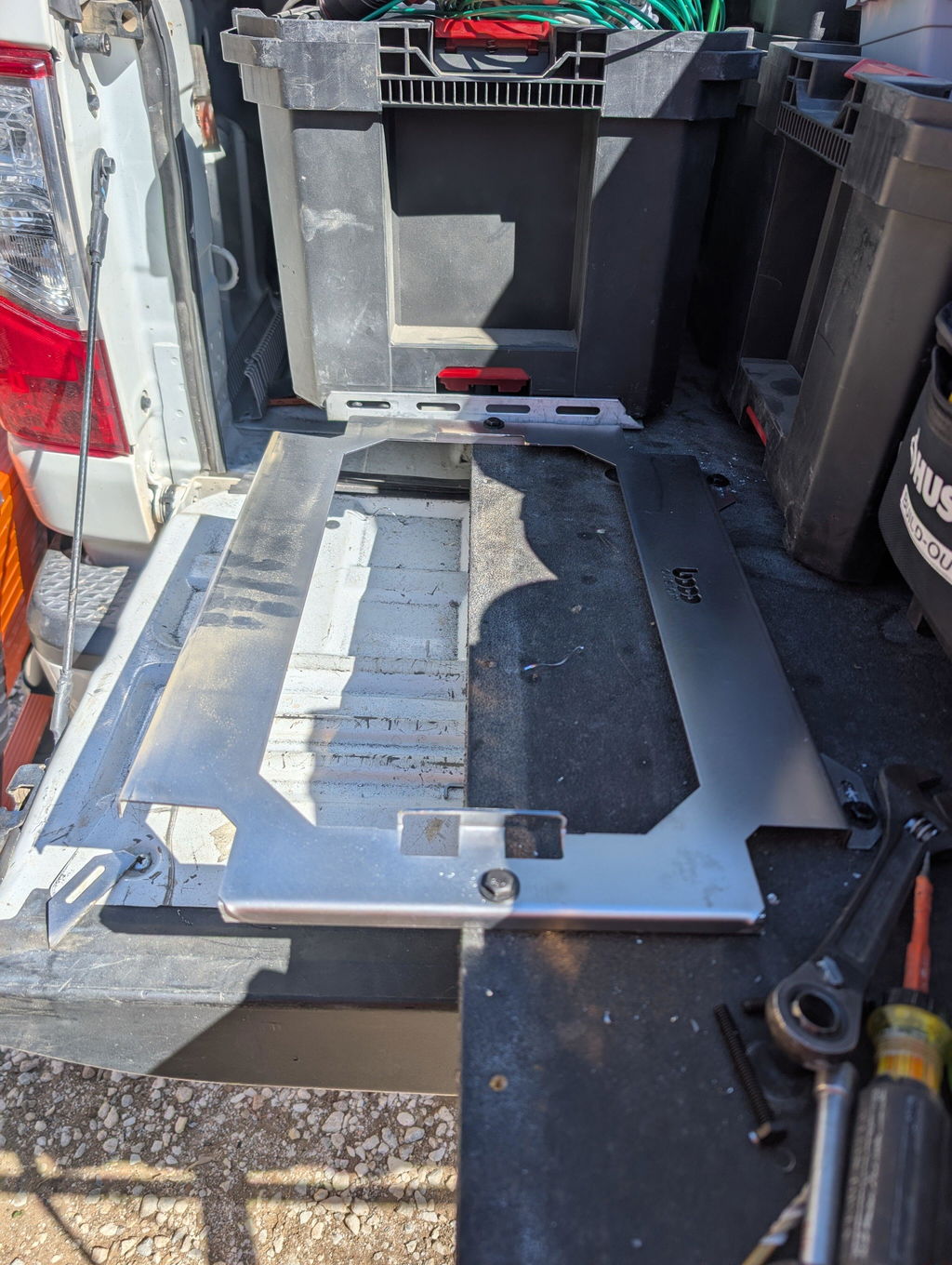
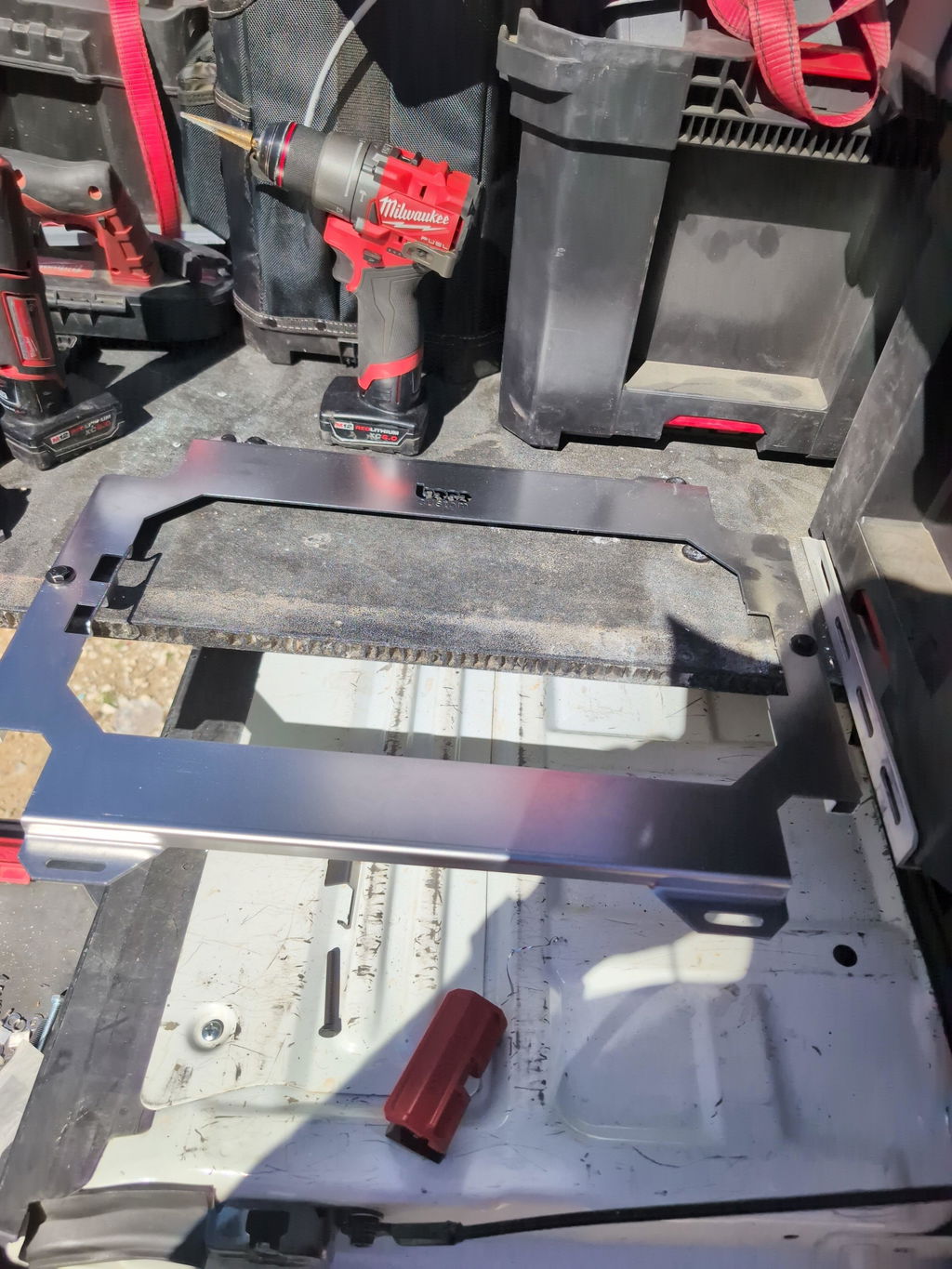
Not only is this way overbuilt for the price with its solid, confident craftsmanship, I am completely convinced that these guys are the best around when it comes to the packout platform.
I like these, they are much more compact than what Milwaukee offers. I had them powder coated in silver vain and they look awesome. I love the bonus half rack they sent me. That’s the mark of a nice company.


Leave a comment