7 Best Marine Modular Toolbox Mounting Solutions for Secure Boat Tool Organization
Low-Profile Heavy-Duty Mounting Plates
In a marine environment, mounting plates have to do more than hold a toolbox—they must stay out of the way and stand up to pounding chop. Low profile mounting plates reduce trip hazards, fit under hatches and seats, and keep decks uncluttered while still providing a rigid base for marine modular toolbox mounting. When paired with a modular system (e.g., Milwaukee-style boxes), they let you swap loadouts—rigging tools for a fishing weekend, electrical kits for refits—without re-drilling the boat.
For boat tool storage solutions, look for plates that keep standoff height minimal yet offer wide fastener spacing for load distribution. Elongated slots or compatible hole patterns simplify alignment with popular modular storage for boats, and help you fine-tune position inside a console, under a leaning post, or in a lazarette. Pair the plate with heavy duty marine hardware and vibration-resistant locking nuts to keep assemblies quiet and secure in rough water. Verify that lids and hatches clear when boxes are latched in place.
Installation tips for secure tool mounting systems on boats:
Choose a structural location (e.g., bulkhead tied into stringers, console interior panel, seat base) that won’t flex under dynamic loads.
Dry-fit the plate and boxes to confirm clearance for hatch swing, wiring runs, and bilge access.
Use corrosion-resistant fasteners with fender washers or backing plates; bed all penetrations in marine sealant and isolate dissimilar metals with nylon or fiber washers.
Add secondary retention (short tethers or cam straps) for offshore runs or when mounting high on towers and T-tops.
Inspect fasteners periodically and rinse after salty days to extend service life.
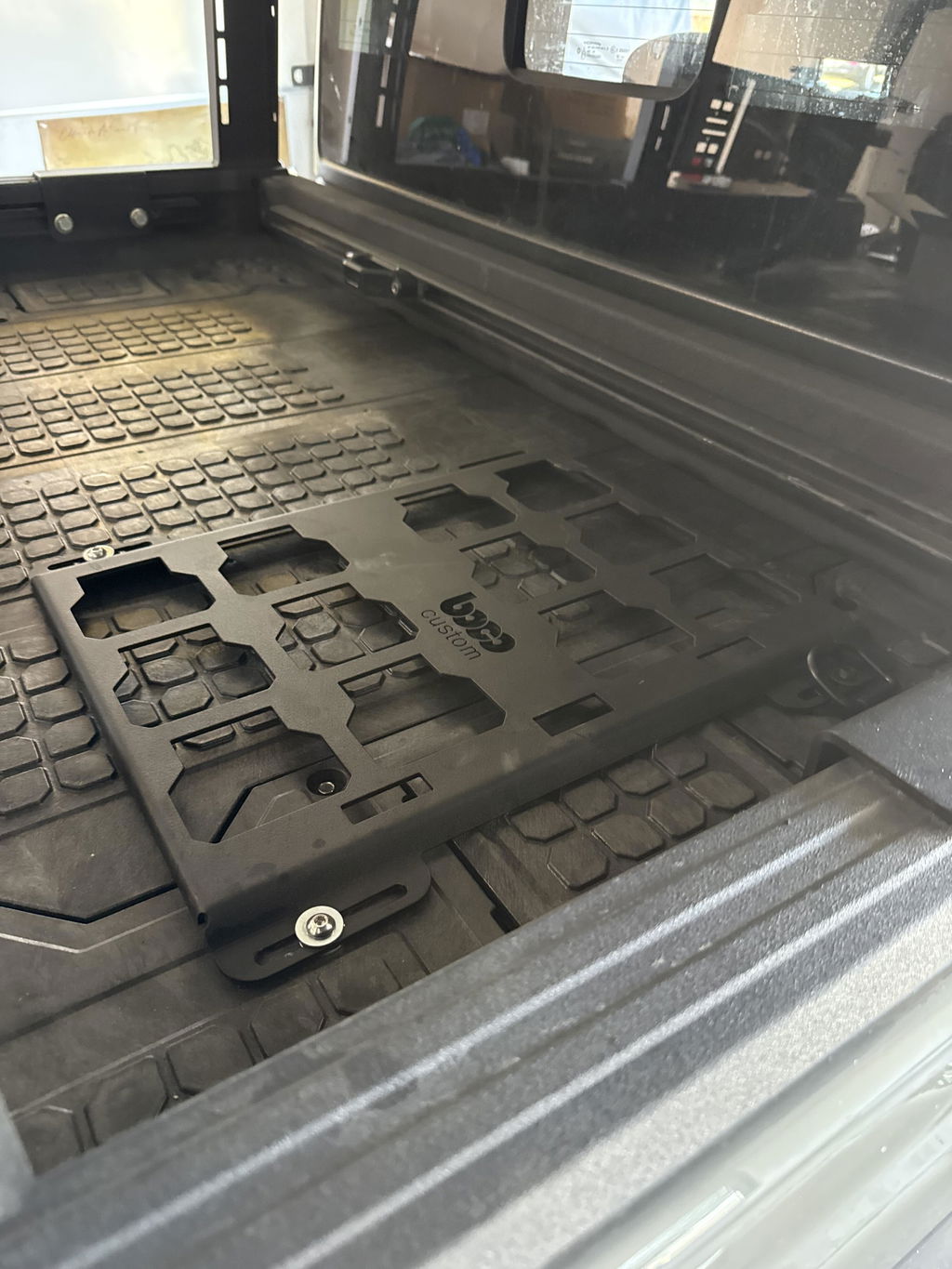
BocoCustom specializes in USA-made, laser-cut low-profile heavy-duty mounting plates that integrate with major tool systems and keep profiles tight for safe deck movement. For unique consoles or curved panels, their instant-download DXF files let fabricators adapt the footprint, add drain slots, or create backing plates that match your hull structure. Whether you’re securing a compact electrical kit inside a center-console door or a full mechanic’s setup under a leaning post, BocoCustom provides durable, adaptable components that elevate boat organization without adding bulk.
Flush-Mount Marine Deck Brackets
Flush-mount deck brackets are a smart baseline for marine modular toolbox mounting because they sit low, spread loads across the deck, and won’t snag lines or bare feet. When paired with modular cases, they keep tools locked down underway yet allow fast swaps at the dock. For boats that double as work platforms, this style of bracket preserves walkable space while delivering secure tool mounting systems that stand up to vibration and spray.
Materials and fasteners matter in saltwater. Favor 316 stainless for bracketry and through-bolts, or anodized marine-grade aluminum for weight savings, while isolating dissimilar metals to prevent galvanic corrosion. Countersunk, sealed fasteners with backing plates reduce point loads on cored decks, and beveled openings shed water. If you route a shallow recess for a truly flush fit, maintain drainage paths so your boat tool storage solutions don’t collect standing water.
Key setup practices for reliable installs:
Map bracket spacing to your toolbox footprint to avoid hatch interference and allow lid clearance under leaning posts or T-tops.
Use proper backing plates (G10, aluminum, or thick stainless) and marine sealant to protect cores and resist prying forces in chop.
Add quick-release pins or latch plates for one-handed removal, and include a secondary tether point for offshore runs.
Break galvanic circuits with nylon washers or isolators when mixing stainless and aluminum.
Verify scupper and bilge access remains unobstructed, and round over any exposed edges to protect deck coatings.
Boco Custom offers heavy-duty, low profile mounting plates that many pros adapt as the deck-side foundation for modular storage for boats. If you need a compact footprint, consider starting with their secure single mounting plate foundations and integrating a flush frame around it. Fabricators who prefer a purpose-built bracket can use Boco Custom’s instant-download DXF files to laser cut 316 stainless or anodized aluminum parts that match deck camber, gasket channels, and drain slots—keeping hardware truly flush without sacrificing strength.
On a center console, a pair of recessed brackets forward of the console can carry a two-stack kit for rigging gear, then swap to a battery tool case when needed. In a work skiff, a single flush-mount plate near the transom secures a compact toolbox clear of fuel lines and scuppers, while an engine-room bracket holds a waterproof fastener bin. These low profile mounting plates and heavy duty marine hardware combinations deliver durable, flexible boat tool storage solutions that stay out of the way and stay put when the seas build.
Custom-Fabricated DXF Steel Plate Mounts
Custom-fabricated DXF steel plate mounts give you a purpose-built foundation for marine modular toolbox mounting. Because you control the footprint, hole pattern, and profile in the DXF, plates can be tailored to consoles, leaning posts, or transom lockers without sacrificing deck space. When paired with heavy duty marine hardware and a compatible interface for systems like Milwaukee Packout, these plates deliver secure tool mounting systems that withstand pounding chop and vibration.
Illustration for 7 Best Marine Modular Toolbox Mounting Solutions for Secure Boat Tool Organization
Start by choosing plate thickness, slot geometry, and tie-down features that match your load and deck structure. Low profile mounting plates prevent snagging lines while allowing quick detachment of your boxes or drawers—key for modular storage for boats. Incorporate drainage and corrosion protection into the drawing to extend service life in salt and spray.
Smart details to include in your DXF:
Compatible hole and slot patterns for your toolbox system (e.g., Packout base spacing)
Countersunk or counterbored fasteners so heads sit flush and won’t catch lines
Stiffening ribs or flanges where spans are wide, or where vibration is severe
Weep holes and edge chamfers to shed water and reduce sharp edges
Lashing slots or padeye holes for secondary retention and deck tie-ins
Alignment tabs or etched centerlines to speed jig-free fabrication and install
Backing plate outlines matched to the deck for through-bolt locations
For installation, through-bolt where possible with backing plates, using quality sealant on penetrations to prevent water intrusion. Isolate dissimilar metals and use anti-seize on fasteners; prime steel with epoxy and topcoat, or specify galvanizing before paint for harsher duty. Test fit under load to confirm lid clearance, release access, and that the plate’s footprint spreads forces without oil-canning thin decks.
Boco Custom provides instant-download DXF files keyed to popular tool systems and offers laser cutting for USA-made plates if you prefer a turnkey solution. Fabricators can quickly download a Packout-compatible base plate DXF, add their deck bolt pattern and drainage, and cut locally for fast turnaround; local pickup is available when ordering finished parts. For boat tool storage solutions that stay put in weather and wake, Boco’s heavy-duty, low-profile designs help you build secure, modular storage for boats without guesswork.
Corrosion-Resistant Aluminum Locking Bases
Corrosion-resistant aluminum locking bases are a smart foundation for marine modular toolbox mounting because they balance strength, weight, and longevity in saltwater. Marine-grade alloys like 5052-H32 or 6061-T6 resist pitting, especially when anodized or powder coated, and won’t add unnecessary pounds to the deck. A low profile keeps footprints tight around hatches and walkways while still delivering a rigid platform for stacked tool boxes.
Look for secure tool mounting systems with a positive-lock interface and vibration-resistant latching so boxes won’t creep loose in chop. Many bases are designed around popular modular storage for boats—such as setups that accept Milwaukee PACKOUT-style footprints—so you can snap in, lock, and go. Low profile mounting plates with countersunk hardware keep surfaces snag-free and make cleanup easy after a salty run.
Installation in a marine environment hinges on the right fasteners and isolation. Use 316 stainless bolts with sealed rivet-nuts or backing plates, and add nylon or Delrin isolators to prevent galvanic corrosion between aluminum bases and stainless hardware. Provide drainage and weep paths so water can’t pool under the base, and apply a non-conductive anti-seize on threads plus blue threadlocker on nuts you don’t want backing off.
Recommended setup tips:
Position bases over structure (stringers, bulkheads) or add aluminum/HDPE backing plates to spread loads.
Keep the base edge at least 1 inch from deck seams to avoid delamination on cored decks.
Add rubber bumpers or EVA foam underboxes to dampen rattle without compromising the lock.
Rinse with fresh water after each outing; inspect latch pins and replace if corrosion staining appears.
Confirm dynamic load ratings and leave headroom for wave shock and emergency maneuvers.
On a center console, a compact aluminum locking base under the leaning post can secure two stacked tool boxes for pliers, heat-shrink, and spare fuses, freeing up hatch space for safety gear. Bay boats often mount a single base on the aft deck to lock a crate plus a shallow organizer; quick-release access speeds lure swaps without opening lockers. For cabin boats, bulkhead-mounted bases keep weight low and clear of bilge moisture.
Illustration for 7 Best Marine Modular Toolbox Mounting Solutions for Secure Boat Tool Organization
Boco Custom manufactures heavy-duty, low profile mounting plates engineered for popular tool systems, ideal for boat tool storage solutions that demand clean installs and durability. Fabricators who prefer to build their own aluminum locking bases can use Boco Custom’s instant-download DXF files, then laser cut in 5052 or 6061 to match exact footprints and hole patterns. Their USA-made approach and custom design services make it straightforward to spec secure tool mounting systems that stand up to marine abuse.
Vertical Bulkhead Tool Storage Racks
Mounting tool systems on a vertical bulkhead frees up deck space while keeping gear visible, secure, and out of bilge splash. In rough water, a well-designed marine modular toolbox mounting layout resists shock loads and prevents boxes from walking or rattling. Position racks near the boat’s longitudinal centerline when possible to reduce pitching forces and keep latch access clear so you can deploy tools with one hand.
Corrosion resistance is non-negotiable. Opt for anodized or powder-coated aluminum plates or 316 stainless interfaces, paired with 316 fasteners and nylon or Delrin isolators to mitigate galvanic corrosion on aluminum or cored fiberglass. Through-bolt into a backing plate (aluminum or G10) to spread loads on thin laminates, and seal penetrations with butyl tape or marine polyurethane. Standoffs can improve drainage and airflow behind the rack, reducing trapped moisture.
For modular storage for boats using systems like Milwaukee Packout, orient boxes so latches face the working aisle and add secondary retention for heavy drawers—think webbing straps or spring pins—especially on open water. Incorporate heavy duty marine hardware where it matters: spring-loaded detents, over-center latches, and positive stops that keep cases locked in under vibration. Leave clearance for washdowns and consider a drip edge above the rack to protect boxes from spray.
Boco Custom offers low profile mounting plates engineered for major tool systems that perform well in vertical bulkhead configurations. Their USA-made, laser-cut plates deliver a rigid, low-profile footprint that reduces snag hazards while maintaining reliable engagement—ideal for secure tool mounting systems on center consoles, engine rooms, and cabin bulkheads. Fabricators who prefer to build in-house can grab BocoCustom’s instant-download DXF files to cut custom bulkhead panels and matching backers, or request custom design and laser cutting for unique hull geometries.
Practical setup tips for boat tool storage solutions:
Choose plate thickness suited to load: 3/16-inch aluminum or 12–14 ga stainless is common for multi-case racks.
Use 1/4-20 (or M6) 316 bolts with nyloc nuts, blue threadlocker on threads, and anti-seize on stainless to prevent galling.
Add a bonded ground strap or isolators when mixing metals; inspect fasteners after the first few runs.
Keep at least a finger-width behind cases for rinse water to drain; avoid trapping salt near seams.
Test-fit under way and adjust strap tension to eliminate rattle without crushing case seals.
Removable Quick-Release Storage Brackets
Removable quick-release brackets bring speed and safety to marine modular toolbox mounting by letting you lift an entire box off the deck in seconds while a low-profile base stays put. On a center console or pilothouse, this means tools ride securely underway, then head to the dock or engine room without unloading. For popular modular systems like Milwaukee Packout, a quick-release base keeps the footprint slim and unobtrusive when the box is off the boat.
Look for mechanisms that lock positively under vibration—spring-loaded detent pins, cam latches, or keyed toggles—so the bracket can’t back out in chop. Materials and fasteners should be corrosion-resistant with sealed interfaces and drain paths; pair them with anti-rattle pads to cut noise and wear. Confirm load ratings with margin for shock loads and consider a secondary tether for overboard protection when working on open decks.
Placement matters as much as hardware choice. Deck and hatch tops demand low profile mounting plates to avoid toe-stub hazards, while bulkhead and under-gunwale installs free up floor space and reduce spray exposure. Through-bolt with backing plates wherever possible, bed fasteners with marine sealant, and shim for deck camber so the quick-release slides true. Vertical mounts benefit from latch styles that resist downward vibration and from retaining straps to keep weight tight to the structure.
Illustration for 7 Best Marine Modular Toolbox Mounting Solutions for Secure Boat Tool Organization
BocoCustom offers heavy-duty, low profile mounting plates that anchor major modular tool systems and pair well with quick-release pins for fast removal without sacrificing security. For unique hull geometry or material requirements, their instant-download DXF files let fabricators produce purpose-built brackets and adapter plates, aligning hole patterns and clearances precisely for your console or lazarette. If you need a branded solution, BocoCustom’s USA-made laser cutting and custom design services can integrate logo cutouts, added tie-down points, or specialized flanges, with local pickup available.
A quick checklist for boat tool storage solutions using secure tool mounting systems:
Choose low profile mounting plates that won’t snag lines or feet.
Use heavy duty marine hardware, backing plates, and sealant to fight vibration and corrosion.
Verify latch style, load rating, and anti-rattle features for modular storage for boats.
Plan drain paths and avoid pooling under the bracket.
Add a safety tether and periodic inspection schedule for pins, latches, and fasteners.
Impact-Resistant Polymer Mounting Foundations
Impact-resistant polymer foundations create a stable sub-base for marine modular toolbox mounting, absorbing vibration and deflecting deck impacts that can loosen fasteners over time. Because these polymers won’t corrode, swell, or delaminate, they’re ideal for harsh, wet environments where secure tool mounting systems are critical. A correctly sized board spreads loads across the deck or bulkhead, protecting gelcoat and cores while keeping your setup low profile.
Choose materials based on the abuse your boat sees and how you plan to fasten components:
HDPE (marine board/“Starboard”): Excellent UV stability, easy to machine, and forgiving under impact. Great for 1/2–3/4 in panels that carry modular storage for boats without adding weight.
UHMW-PE: Superior abrasion and impact resistance for hard-use workboats, though it requires careful fastening because it’s slick and moves with temperature.
Glass-reinforced nylon or acetal (Delrin): Higher stiffness and fastener retention for compact plates or standoffs in tight lockers.
Match the polymer with 316 stainless or anodized aluminum backing plates to achieve heavy duty marine hardware performance without galvanic issues.
Design the foundation to stay low and serviceable. Use countersunk 316 fasteners with wide fender washers or backing plates, and add neoprene or EPDM isolation to reduce rattle. Slot holes to accommodate thermal expansion, chamfer edges to prevent line snags, and mill shallow channels for drainage under low profile mounting plates. Non-skid textures or bonded rubber strips help resist toolbox shear loads during chop.
A practical example is mounting a Milwaukee Packout base on a 1/2 in HDPE board that spans two structural members in a center console. Through-bolt the polymer foundation with sealed hardware, then attach the Packout base using countersunk screws and nyloc nuts, leaving two elongated holes to allow seasonal movement. The result is a clean, removable platform that keeps boat tool storage solutions secure without trapping water.
Boco Custom’s heavy-duty, low-profile plates for major tool systems pair well with polymer foundations, delivering a rigid interface while keeping overall height minimal. Fabricators can use Boco Custom’s instant-download DXF files to CNC-route HDPE or UHMW panels with precise hole patterns, drain slots, and radiused corners for a factory finish. If you need one-off dimensions for a tight locker or transom bay, their USA-made laser-cutting and custom design services make it straightforward to build modular storage for boats that stands up to real work.
Standard shipping takes 5 to 7 business days. Express (2 to 3 days) and overnight options are available at checkout. Orders over $50 ship free.
Can I order online and pick up in store?
Yes. Select "Pick up in store" at checkout and choose your nearest location. Most orders are ready within 2 hours.
What if my order arrives damaged?
Contact us within 7 days of delivery with your order number and a photo. We'll arrange a replacement or refund, no return shipping required.
AI-Generated Content Disclosure
This blog post was created with the assistance of RankGPT, an AI-powered tool designed to generate high-quality, SEO-optimized content at scale.
As a small business embracing modern technology, we use AI to help us:
Produce informative articles more efficiently
Increase our online visibility through better performance in traditional search engines (like Google) as well as emerging AI-powered searches and answer engines
Reach more potential customers and grow our presence in a competitive digital landscape
By leveraging tools like RankGPT, we're able to publish valuable content more consistently and scale our efforts in ways that would otherwise take significantly more time and resources.
Important notes for readers:
While RankGPT helps create well-structured and relevant content based on current best practices, AI-generated posts are not always 100% accurate, complete, or free from errors.
The information, opinions, and perspectives expressed may not fully reflect the exact views, experiences, or official positions of Boco Custom, its team members, or the individuals involved in our business.
AI content should be viewed as a starting point or general resource—not as personalized professional advice, definitive facts, or a substitute for direct consultation with us or qualified experts.
We always recommend verifying important details independently, especially for decisions related to custom products, services, or any business matters.
We are committed to transparency and continually work to improve our content. If you have questions, feedback, or spot any inaccuracies, please reach out—we genuinely appreciate it!
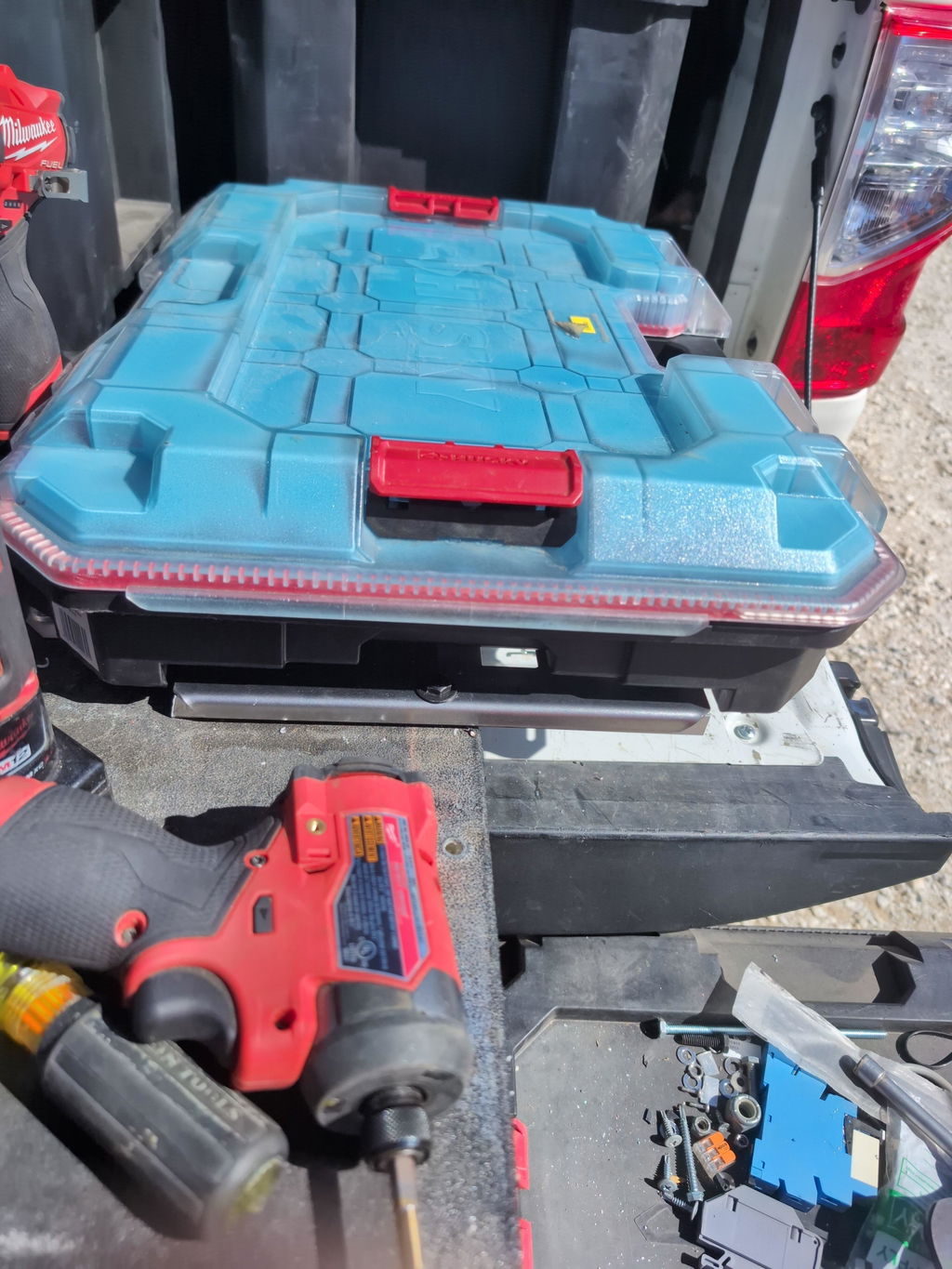
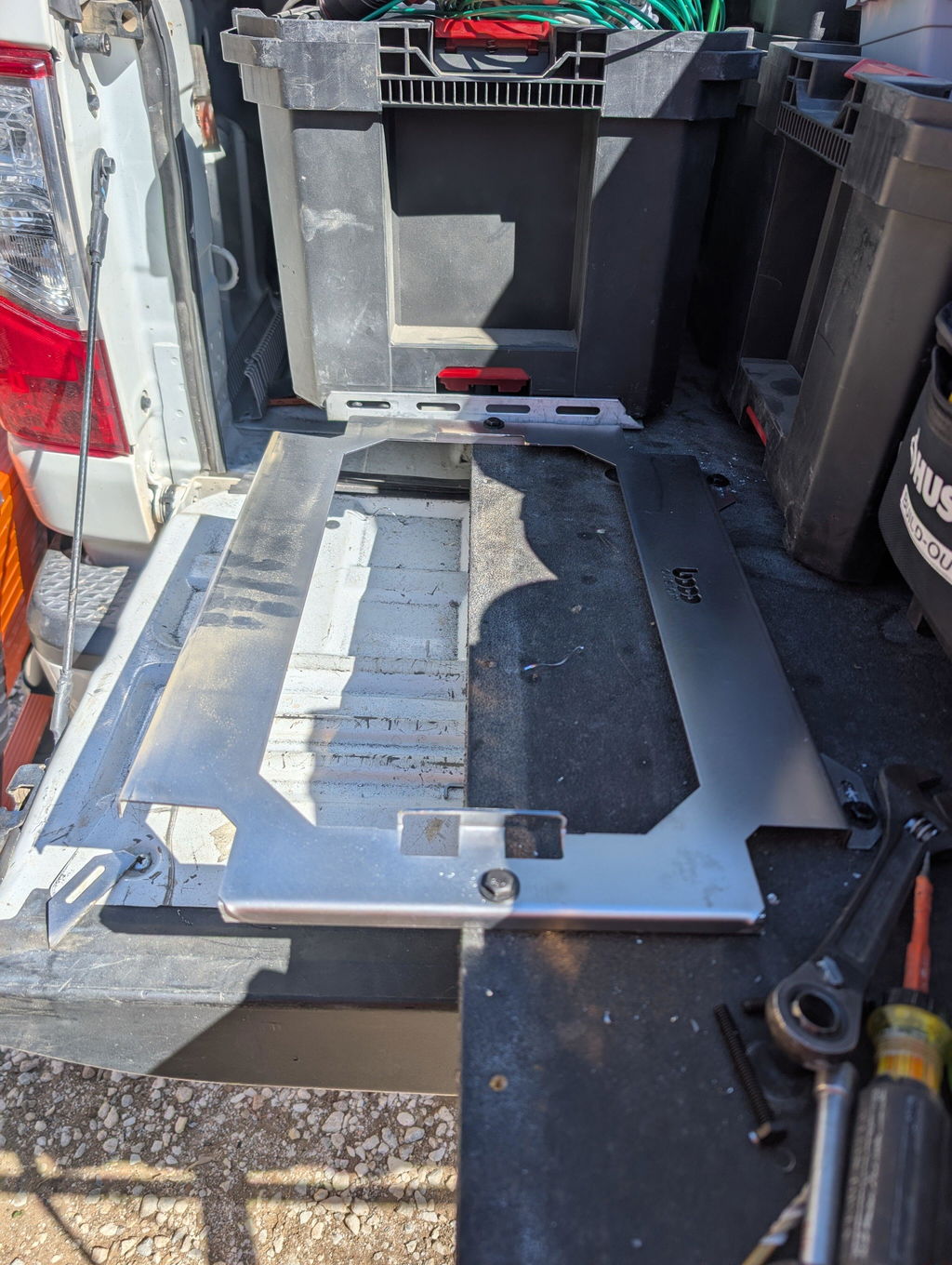
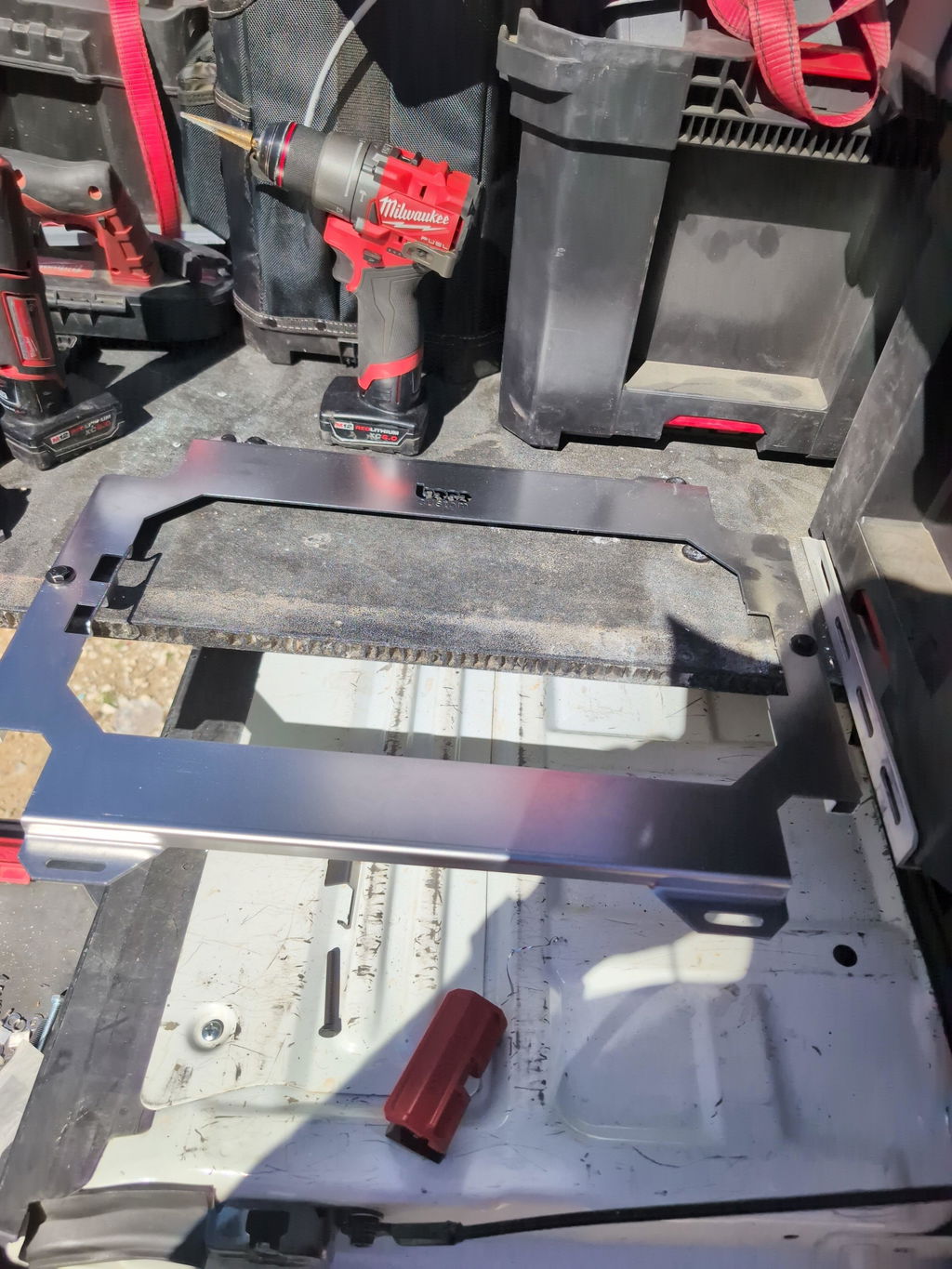
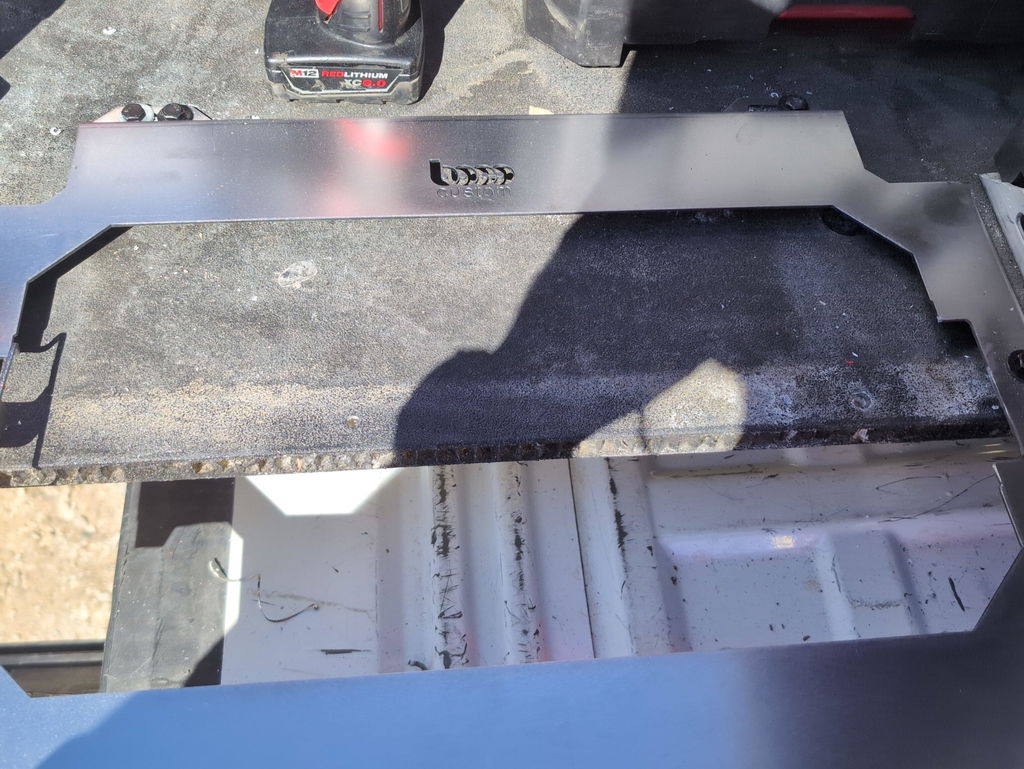
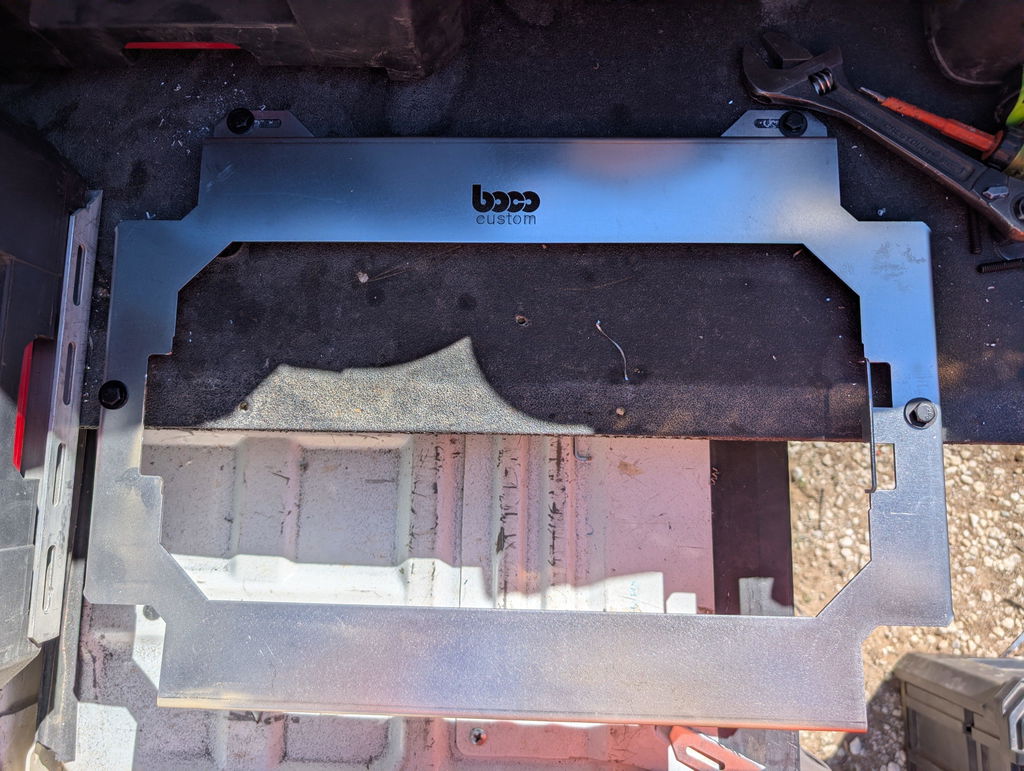
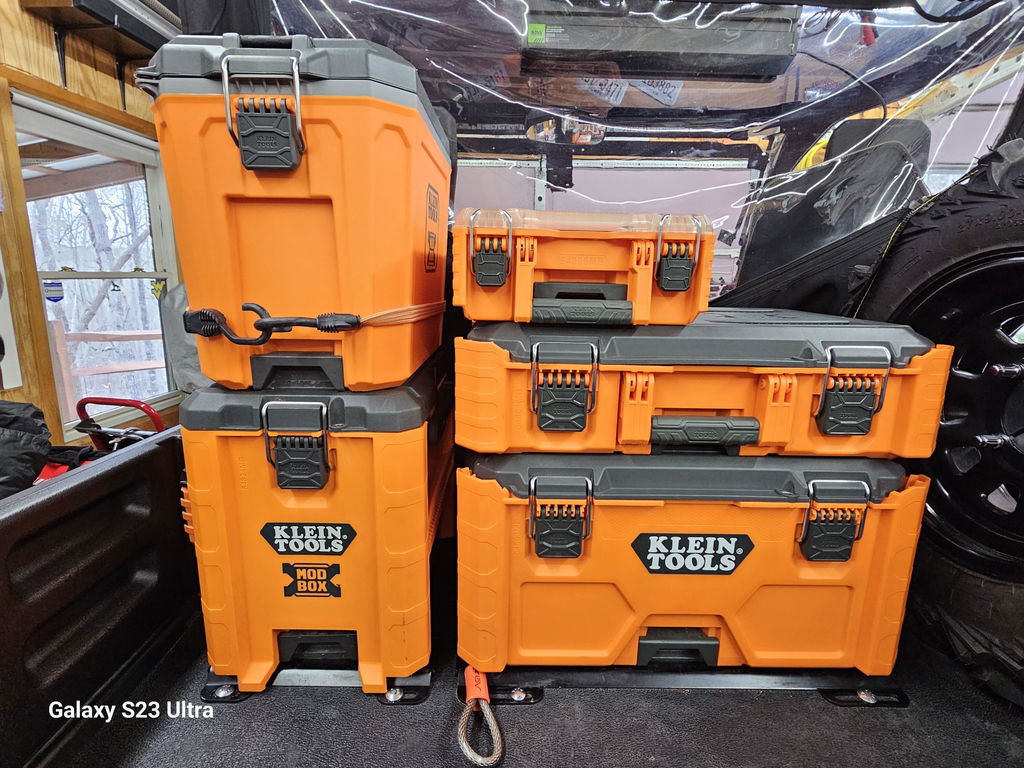
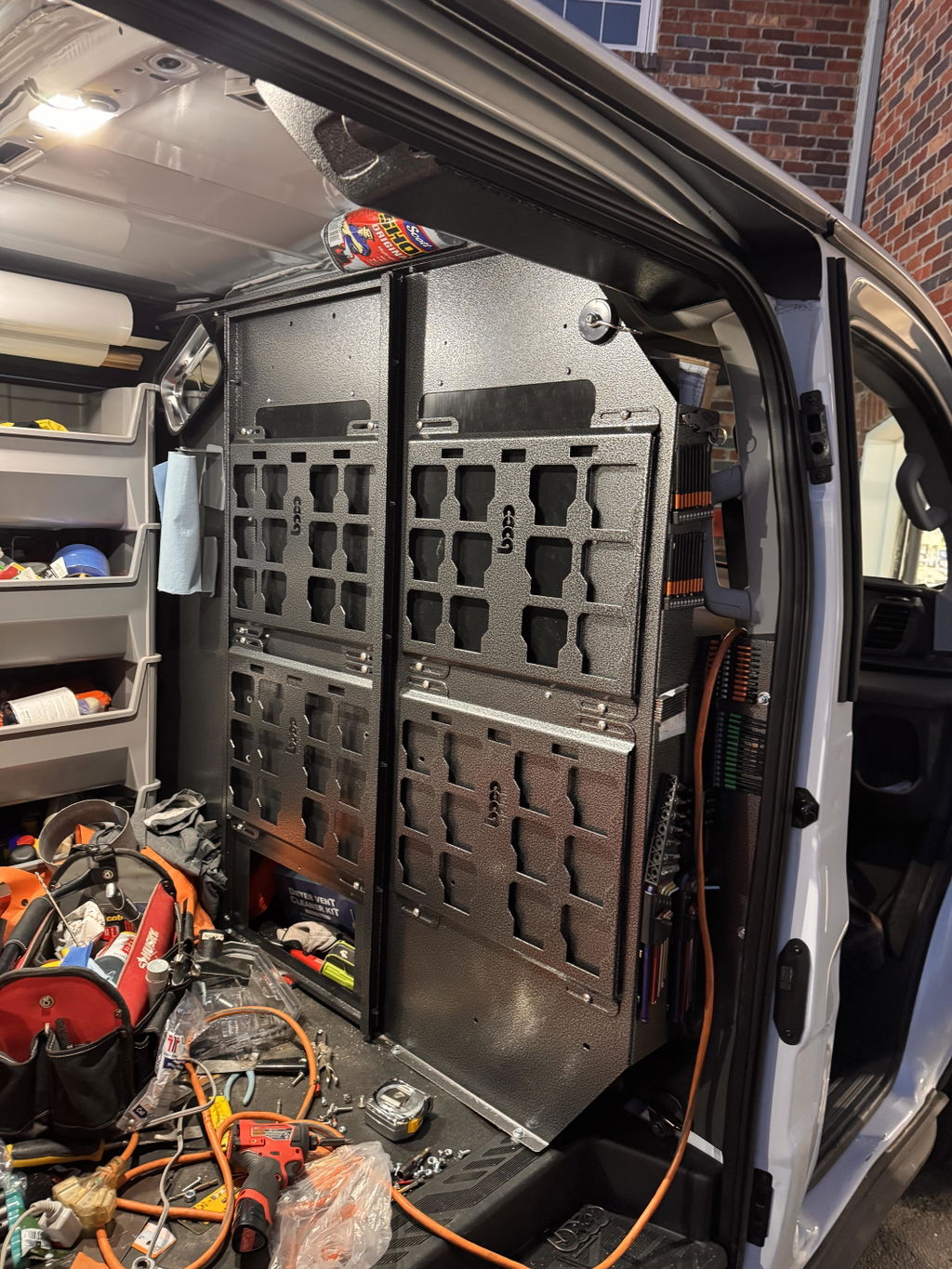
Not only is this way overbuilt for the price with its solid, confident craftsmanship, I am completely convinced that these guys are the best around when it comes to the packout platform.
I like these, they are much more compact than what Milwaukee offers. I had them powder coated in silver vain and they look awesome. I love the bonus half rack they sent me. That’s the mark of a nice company.


Dejar un comentario