7 Best Precise DXF Files for Fabrication to Optimize Your Custom Tool Storage Projects
Packout Compatible Mounting Plates
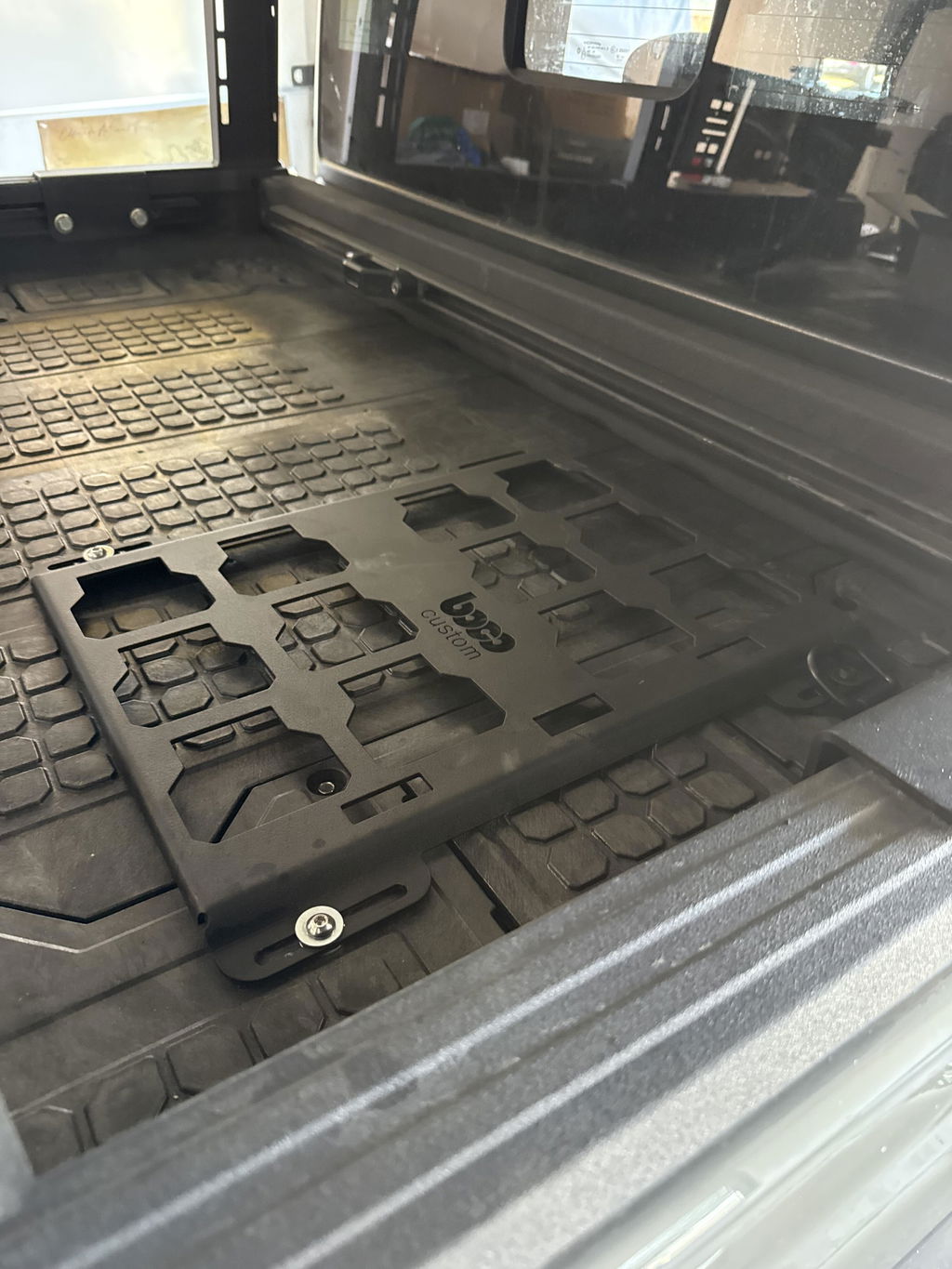
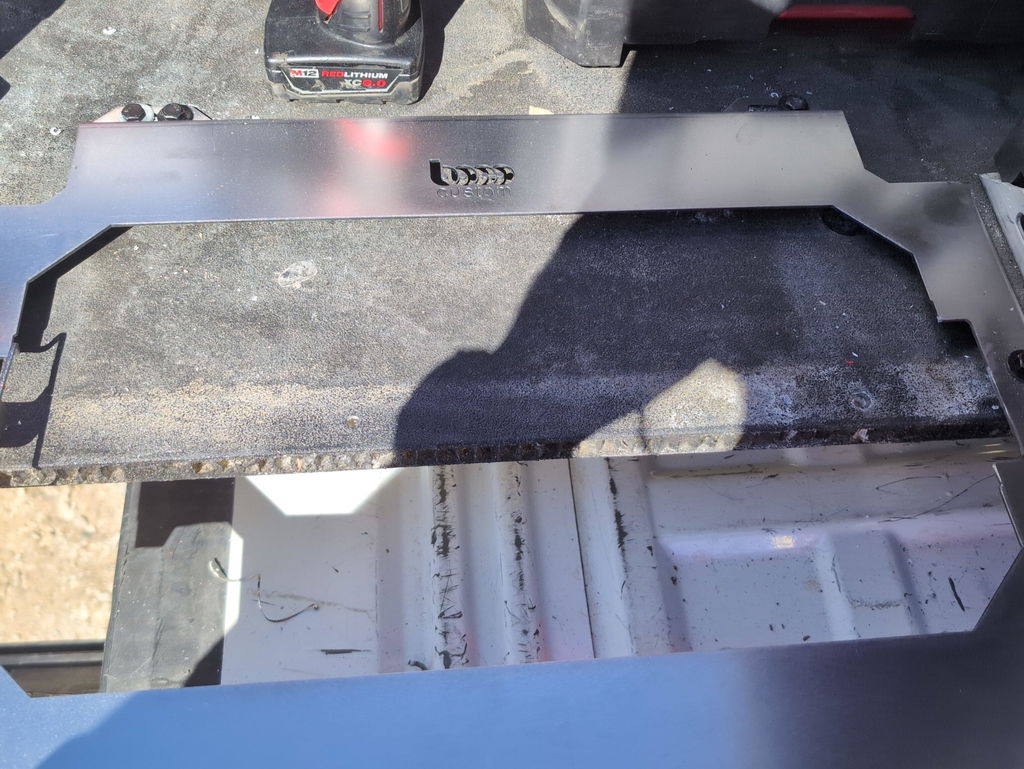
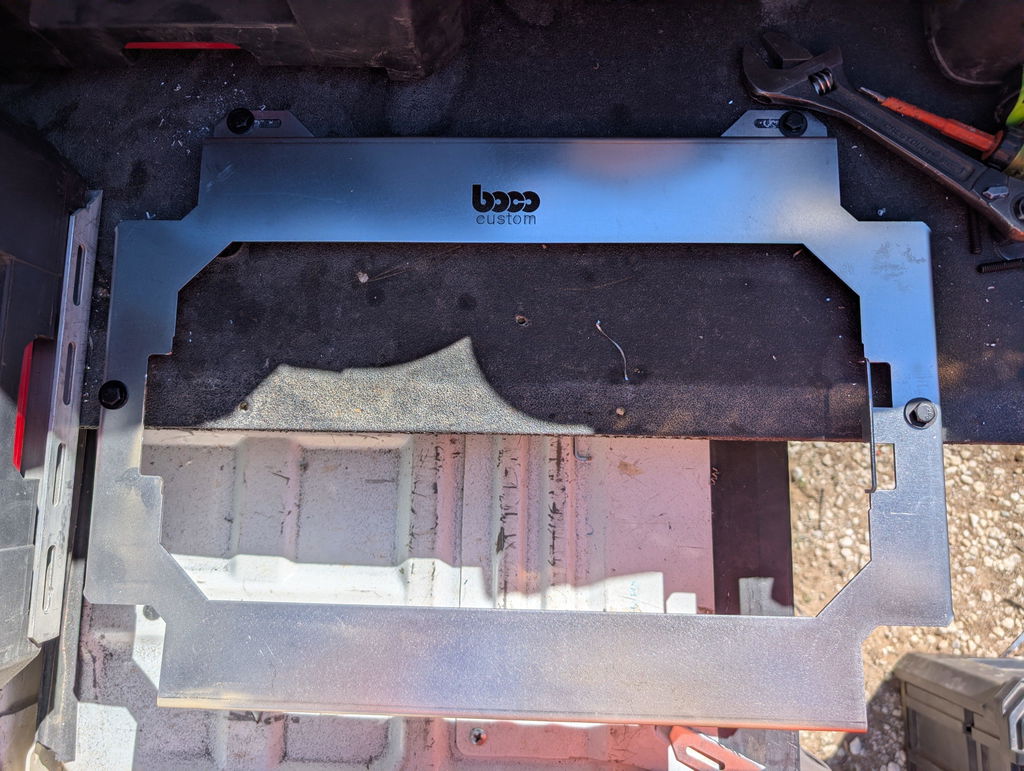
For many tradespeople, integrating click-in cases into trucks, vans, and shop walls starts with Packout-compatible plates. The most reliable builds begin with precise DXF files for fabrication that capture the Packout locking geometry, latch pockets, and hole spacing. These tool storage CAD files let you cut plates that seat positively under load, maintain a low profile, and keep gear secure on rough roads.
Look for metal fabrication DXF files that include tightly dimensioned latch cutouts (with correct corner radii), true center-to-center spacing for the locking feet, and clearance for debris shed. Well-prepared CNC design templates also specify material thickness (commonly 11-gauge steel or 3 mm), countersink size and angle, and layer conventions for cut, etch, and pierce. Bonus points if the file notes kerf assumptions and offers variants for fiber laser, CO2 laser, waterjet, or CNC plasma.
Popular Packout plate variants you can fabricate from custom laser cutting files include:
Full-floor van or truck-bed plates with perimeter fasteners and tie-down slots
Narrow wall strips for shop panels, French cleats, or Unistrut rails
Drawer-top or slide-in plates tailored to tool chests and cargo slides
Vertical door panels with added lashing points for straps or bungees
Modular half-width sections that align to common rib spacing and wheel wells
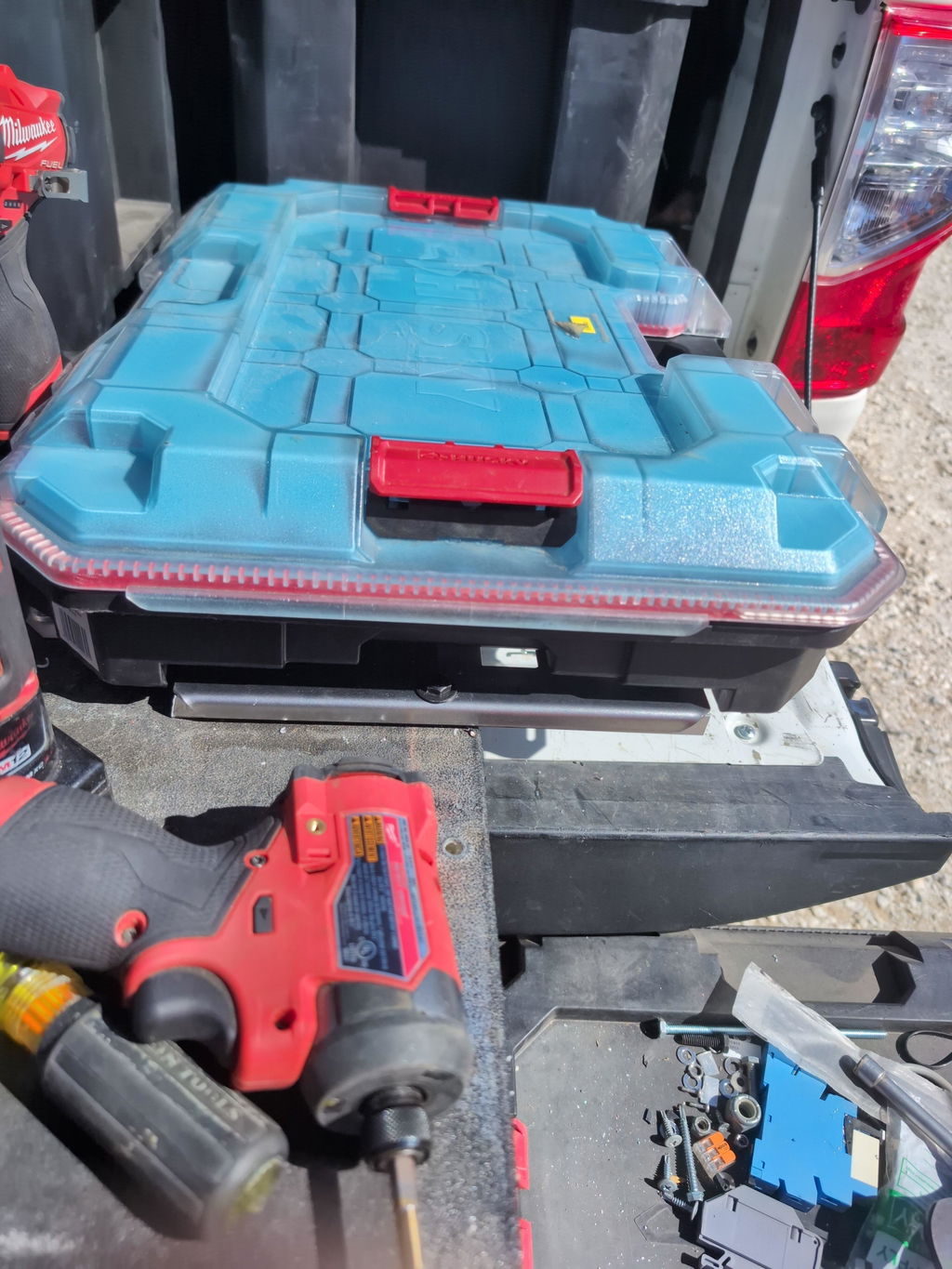
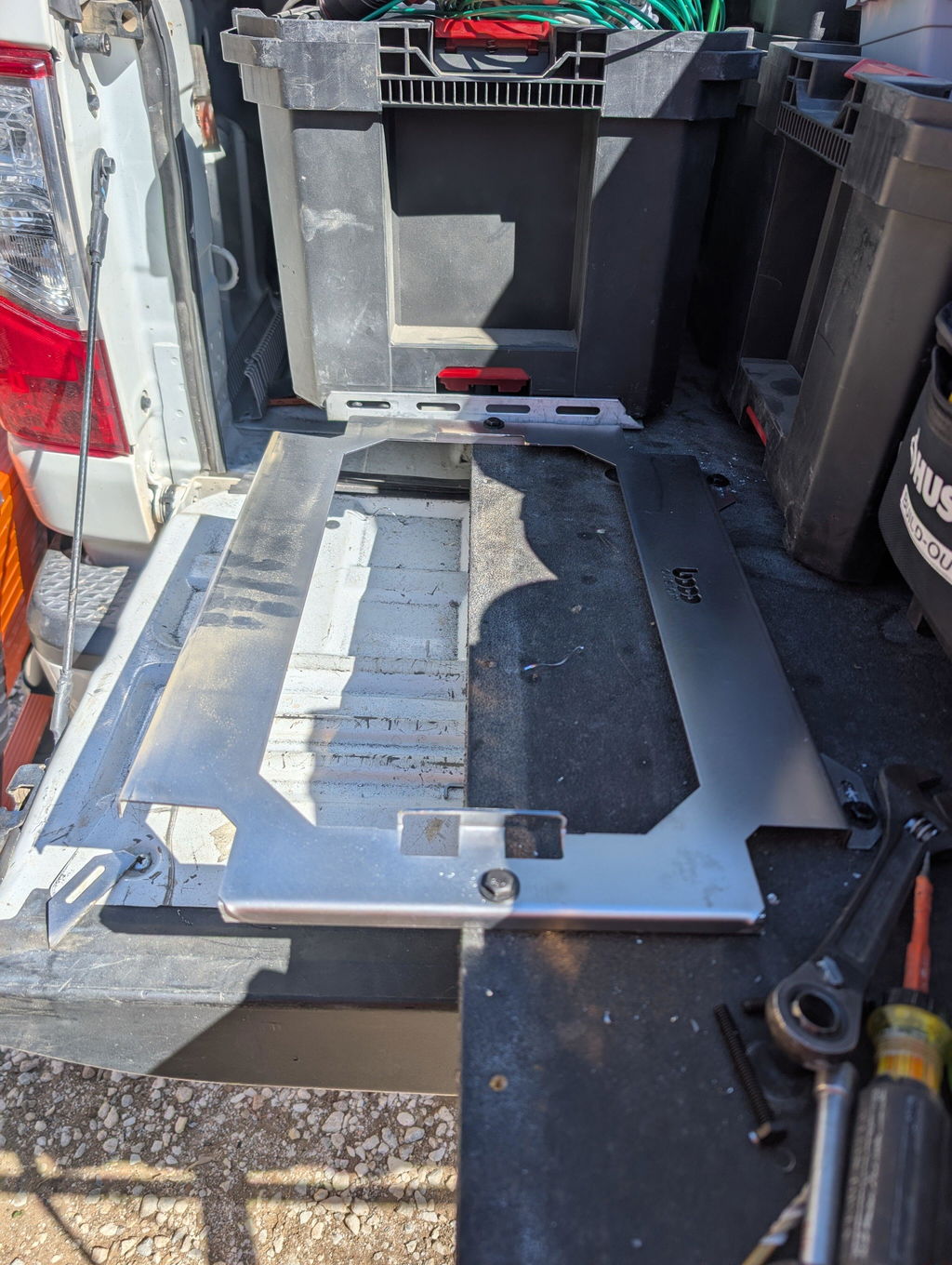
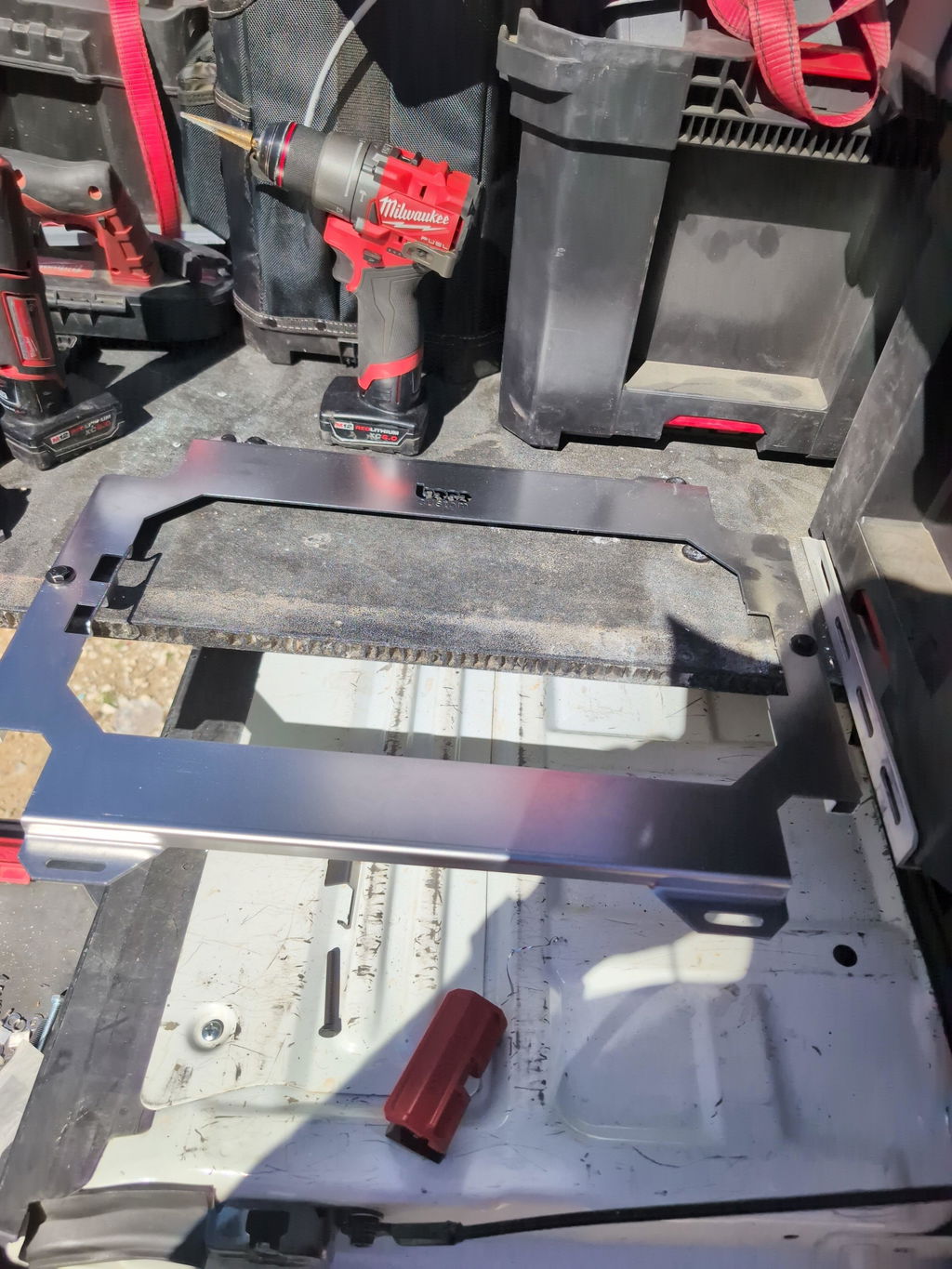
Boco Custom supports both approaches: fabricate it yourself with instant-download DXFs, or choose finished, USA-made plates cut on industrial lasers. Their low-profile designs emphasize strength, clean fitment, and fast installs, and they can tweak files to add branding, cable pass-throughs, or nonstandard hole patterns. If you’d rather buy than build, their heavy-duty mounting plates deliver the same geometry in a turnkey format, with local pickup available.
Example: For a van floor, many pros cut two 11-gauge steel plates with recessed latch pockets, countersunk M6 hardware, and lightening holes aligned between ribs. Using Boco Custom’s Packout-ready industrial cutting patterns, you can nest parts to minimize scrap and add etched labels to each parking position. After powder coat, the result is a rigid, rattle-free platform that locks modules in place yet stays easy to clean and reconfigure.
Heavy-Duty Drawer Dividers
Heavy-duty drawer dividers shine when they’re cut from precise DXF files for fabrication that account for vibration, payload, and tight drawer tolerances. For sockets, drivers, crimpers, and electrical consumables, interlocking steel or aluminum grids prevent migration on the road and keep kits repeatable across crews. In pro boxes or van-drawers, aim for a low-profile grid that maximizes vertical clearance so lids close cleanly over taller items.
Start by confirming the drawer’s true interior envelope, slide interference, and fastener locations, then design interlocking tabs and slots with snug, field-friendly assembly. Account for laser kerf and material spring-in so slots press together without hammering, and radius internal corners to avoid stress risers. If you’re bending flanges, include bend notes in your export and maintain separate layers for cut vs. mark to streamline shop programming.
Well-structured tool storage CAD files and industrial cutting patterns for dividers typically include:
Interlocking cross-panels with tab-and-slot joints and keyed orientation
Slot pitch options (e.g., 0.5 in, 1.0 in) to fit both hand tools and small cases
Finger pulls, label tabs, or scribe/etch layers for compartment IDs
Tie-down holes or PEM-ready locations for anchoring to the drawer base
Clearance notches for slide hardware and corner radii matched to the drawer
Assembly diagram and flat pattern nesting to minimize sheet waste
Material choice sets the tone: 14–16 ga steel delivers rugged, rattle-free performance under load, while 0.090–0.125 in 5052-H32 aluminum offers weight savings for service vehicles. Deburr all edges; a quick tumble or brush pass prevents glove tears and improves powder-coat adhesion. Consider powder-coating darker dividers to reduce glare and help laser-marked labels pop.
Illustration for 7 Best Precise DXF Files for Fabrication to Optimize Your Custom Tool Storage Projects
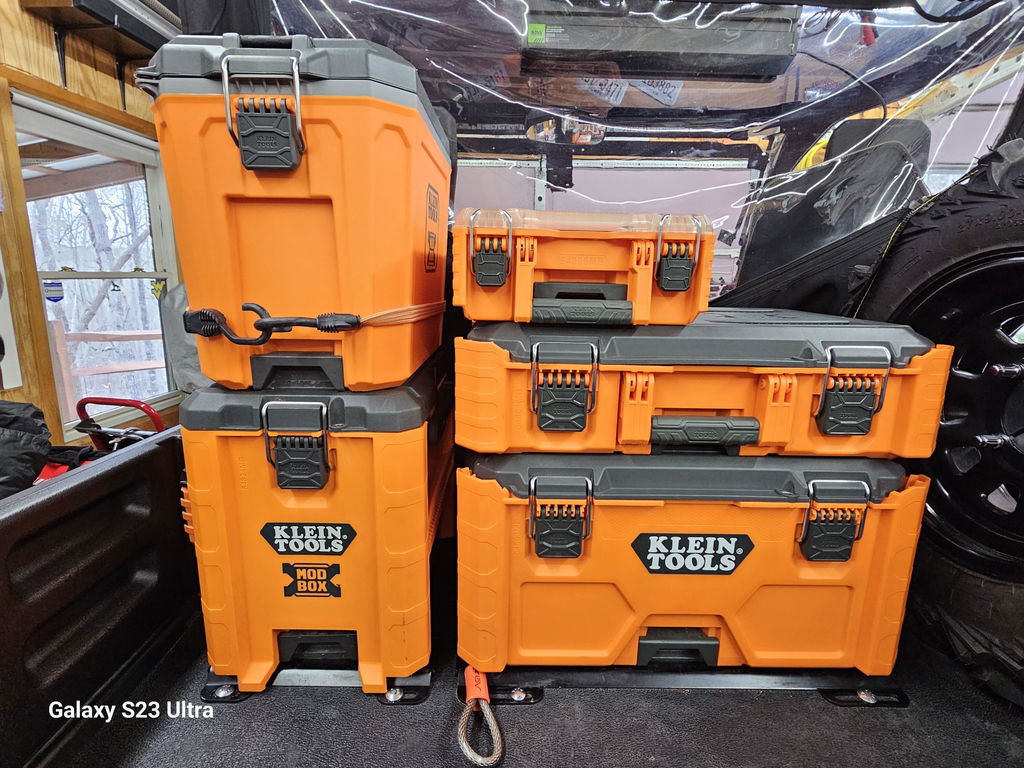
Boco Custom offers metal fabrication DXF and custom laser cutting files tailored to popular systems like Milwaukee Packout, Klein ModBox, and DeWalt ToughSystem, so you can cut drop-in divider grids on your own laser or waterjet. Their CNC design templates are built for accuracy and fast assembly, and instant downloads keep projects moving on deadline. Building a ModBox-based drawer? Pair your divider insert with their low-profile mounting brackets to lock the whole setup down with minimal height penalty.
Wall-Mounted Tool Organization Racks
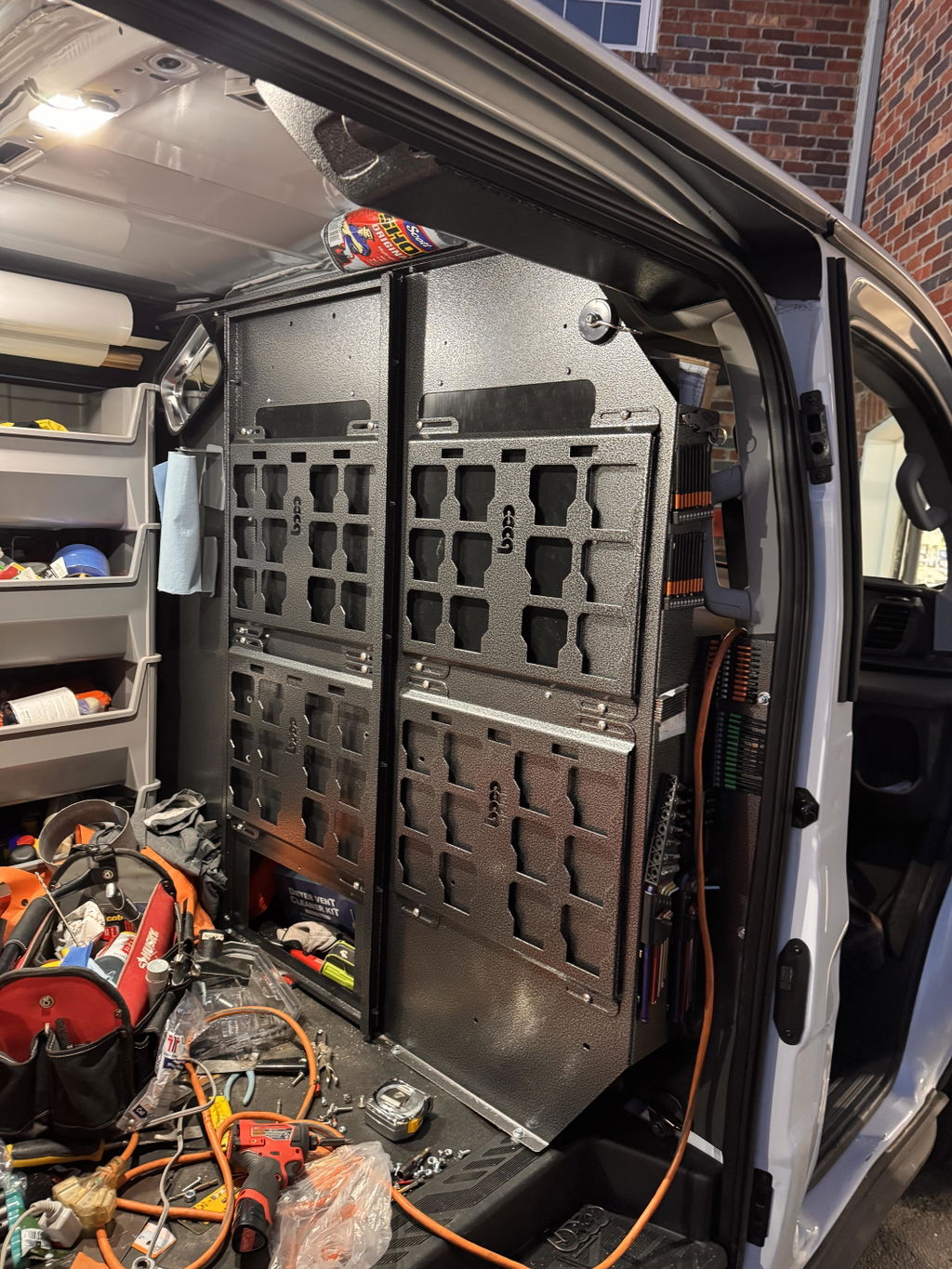
Wall-mounted racks are the backbone of a clean, fast workflow in the shop or on the truck. Starting with precise DXF files for fabrication ensures repeatable cut quality, consistent hole patterns, and tight fits for modular add-ons. Common wall builds include drill/driver holsters with integrated charger shelves, vertical battery banks with cable management, and Packout-compatible wall plates that lock storage modules securely while keeping profiles low.
Choose materials to match load and environment. For general-purpose racks holding power tools, 12 ga HRPO steel (~0.105 in) balances rigidity and manageable weight; for corrosion resistance or easier forming, 0.100–0.125 in 5052-H32 aluminum is a strong alternative. Lay out mounting holes to hit 16 in on-center studs (plus optional 24 in patterns), and use elongated slots to fine-tune level on uneven surfaces; add return flanges or hat-stiffeners where shelves exceed 10–12 in span.
Your custom laser cutting files should bake in real-world install and usability details that speed up assembly and reduce field modifications:
Obround wall slots (e.g., 0.31 x 0.75 in) for level and stud fit
Keyhole mounts for quick-lift removal of lighter panels
82° (imperial) or 90° (metric) countersinks for flush fasteners
French cleat geometry (45°) for modular reconfiguration
Cable tie and grommet holes near charger bays for wire routing
Ventilation/lightening patterns that double as accessory mounting
Tab-and-slot joints (slot = material thickness + 0.010–0.020 in) for square, fast assembly
Hardware callouts and bend lines on separate layers in your tool storage CAD files
Plan tolerances for the cutting process. Fiber-laser kerf typically ranges 0.006–0.012 in; offset small tabs and interlocks accordingly, and use microtabs to prevent tip-ups on narrow parts. Standard clearances work well—0.266–0.281 in for 1/4-20 bolts, 6.6–7.0 mm for M6—and finishing options like powder coat or zinc help racks resist wear and corrosion.
Boco Custom offers ready-to-use metal fabrication DXF options tailored to wall-mounted systems, including Packout-compatible panels, driver racks, and battery shelves. Their CNC design templates and industrial cutting patterns are built for speed, accuracy, and low-profile strength, with instant-download files or in-house laser cutting and local pickup. Need a custom layout to match your van walls or shop studs? BocoCustom can design, cut, and deliver USA-made components that integrate cleanly with your existing storage.
Low-Profile Mounting Brackets
Low-profile brackets maximize payload space and reduce snag points in vans, trucks, and shop carts while still locking tool systems in place. Start by developing precise DXF files for fabrication that respect the footprint of your chosen platform and the surface you’re mounting to. Keep the overall stack height tight by pairing flat plates with flat-head hardware and flush nut solutions where practical, and plan for tool access so latches and handles clear the bracket edges.
Your metal fabrication DXF should specify material and thickness up front to control stiffness without adding bulk. For common professional systems, align hole patterns to the manufacturer’s grid and include tolerance for coating buildup and laser kerf so fasteners seat cleanly. If the bracket will be formed, incorporate bend reliefs and actual bend radii so the flat pattern remains true after press brake work.
Include these essentials in your custom laser cutting files and CNC design templates:
Illustration for 7 Best Precise DXF Files for Fabrication to Optimize Your Custom Tool Storage Projects
Elongated slots for ±3–5 mm adjustability during install without compromising footprint.
Edge chamfers and radiused corners to reduce snagging and speed deburring.
Stiffening beads or return flanges (modeled into flat patterns) where a thinner gauge needs rigidity.
Hardware sizing notes (e.g., 1/4-20 or M6) with clearance and slot widths matched to real-world coatings.
Drain/clean-out holes if the bracket will see jobsite mud and moisture.
For durability with minimal profile, 12–14 ga steel or 5052 aluminum balances strength and weight for wall, door, and drawer-face mounts. Nest your industrial cutting patterns to minimize scrap, and leave at least one measurement datum on the DXF for fast QC at the table. After cutting, a quick tumble or edge break plus powder coat will keep the bracket smooth and corrosion resistant without adding noticeable thickness.
If you’d rather skip the guesswork, Boco Custom offers USA-made, low-profile mounting plates engineered for major tool systems and instant-download tool storage CAD files ready for your laser. Their metal fabrication DXF downloads are optimized for clean kerf, tight tolerances, and efficient nesting, and their custom design and laser cutting services can adapt brackets to specific vans, service bodies, or shop layouts. Local pickup is available for fabricators on a deadline.
Custom Metal Sign Templates
Custom metal sign templates do more than add branding—they bring order and clarity to busy shops, vans, and jobsite boxes. When built as precise DXF files for fabrication, sign templates cut clean on laser, plasma, or waterjet with minimal cleanup, matching hole patterns and clearances the first time. Use them for drawer labels, bulkhead identifiers, shadow board headers, and safety placards that mount directly to cabinets, carts, or storage systems.
A high-quality template should be production-ready, not just pretty. Look for closed contours, unified polylines, and sensible layer naming that separates outside profiles, interior cutouts, and optional etch/engrave operations. Stencil-ready lettering with bridged characters prevents dropouts, while minimum web widths correspond to material thickness (for example, ≥0.080 in webs on 11–14 ga steel) to avoid heat distortion. Standardized mounting options—1/4-20, 5/16, M6, and slotted holes for standoffs, rivets, or zip ties—keep installation fast across racks, drawers, and carts.
Recommended details to include in your CNC design templates and metal fabrication DXF files:
Kerf-aware features with inside radii sized to your cutter (e.g., 0.03–0.06 in laser, larger for plasma), and relieved corners where needed.
Consistent edge treatment: corner radii or chamfers to reduce snagging on gloves and wiring.
Multiple size breakouts (small drawer tags, 4–6 in headers, 8–12 in door plates) sharing the same mounting pattern.
Text-on-its-own layer for quick edits without touching the profile geometry.
Clear units (inch or metric) and no duplicate paths to avoid double-cuts and excess pierce points.
Optional slots/tabs for cleat systems or panel inserts, plus standoff spacing matched to typical hardware kits.
Practical examples include a low-profile nameplate that aligns with your cart’s existing hole grid, cabinet markers that reuse the same industrial cutting patterns across different departments, or drawer-front labels that mirror the dimensions of your tool storage CAD files. Because the core DXF is standardized, you can swap text, part numbers, or logos without redrawing.
Boco Custom offers USA-made custom metal sign templates as instant-download custom laser cutting files, alongside ready-to-cut metal fabrication DXF sets tuned for shop use. If you prefer turnkey parts, they can laser cut in common gauges, confirm minimum feature sizes, and provide local pickup. For teams already running fabrication in-house, Boco Custom’s precise DXF files for fabrication integrate cleanly with your workflow and match common storage and mounting layouts.
Specialized Equipment Base Plates
Specialized equipment often has nonstandard footprints, uneven weight distribution, and service clearances that make off-the-shelf trays risky. This is where precise DXF files for fabrication shine: you can dial in exact hole patterns, slot ranges, and low-profile edge clearances that fit your tool platform without interfering with latches or rails. For Packout-, ToughSystem-, or Systainer-based builds, a purpose-drawn base plate keeps welders, vacuums, radios, and battery chargers locked down while preserving stackability.
Illustration for 7 Best Precise DXF Files for Fabrication to Optimize Your Custom Tool Storage Projects
Design your metal fabrication DXF with both the tool and the storage interface in mind. Use countersunk hardware and recessed tie-downs to keep snag points flush, and incorporate slotted holes to account for slight OEM tolerance drift. Add ventilation cutouts under chargers or inverters, plus drain paths if the plate may see moisture. For vibration-prone gear, provide isolator mounting circles and clearance for bushing swell under load.
Good CNC design templates go beyond a bolt pattern. For example, a compact inverter welder plate might include an offset pattern to center mass over the handle, cable lacing holes along the perimeter, and a removable clamp rack. A vacuum or compressor base plate benefits from elongated slots to tension straps, and large radius corner reliefs to reduce stress. Battery banks or multi-charger arrays often need staggered standoffs to keep airflow unobstructed and labels visible.
Key elements to include in tool storage CAD files and custom laser cutting files:
Exact center-to-center dimensions for OEM feet and brackets, plus ± tolerance notes
Slot lengths that allow 10–15 mm of adjustment for universal fit
Cable tie apertures, ventilation patterns, and drainage
Edge offsets to maintain latch clearance on the chosen storage system
Nest-friendly part outlines for efficient industrial cutting patterns
Boco Custom offers ready-to-cut DXF base plates engineered for major tool storage systems and the specialized gear that rides on them. Their low-profile designs focus on secure transport, smart cable management, and real-world service access, and the instant-download files streamline shop workflows. Need something unique? Their USA-made laser cutting and custom design services can adapt a standard plate to your exact equipment and pickup requirements.
Industrial Grade Hardware Organizers
Industrial-grade hardware organizers start with a rigid foundation and repeatable geometry. For pros running Milwaukee Packout and similar systems, a low-profile mounting plate keeps bins, trays, and racks locked down without stealing drawer height. Using precise DXF files for fabrication ensures every hole pattern, tab, and slot lines up with your base plate and hardware the first time, so you spend more hours installing and fewer reworking.
Accuracy matters when you’re cutting at scale. Well-prepared tool storage CAD files capture bolt circles, keyhole slots, and clearance offsets that survive laser kerf and deburring, letting you swap organizers between boxes, carts, and wall rails without fit issues. Standardized industrial cutting patterns also make it simple to nest multiple parts per sheet, reducing waste while keeping your project uniform across teams and vehicles. If you’re sending metal fabrication DXF to a shop, a clean layer structure and known datum points will accelerate quoting and turnaround.
Build organizers that take real work abuse and keep hardware sorted under vibration and dust:
Fastener bin racks with captive dividers and label strips sized to common bolt and washer kits
Socket trays with stepped pockets and retention pins that align to your plate’s grid
Bit, driver, and insert blocks with staggered holes to prevent tip clash and edge wear
Small-parts drawers with interlocking tabs and return flanges for rigidity
Spray can and chemical bottle carriers with drainage slots and tie-down holes
Boco Custom’s heavy-duty, USA-made mounting plates give you the secure base these modules need, and their instant-download precise DXF files for fabrication match popular tool systems for quick bolt-on integration. Whether you need ready-to-cut custom laser cutting files or want to adapt CNC design templates to your unique layout, BocoCustom offers clean, shop-ready patterns that minimize post-processing. If your build calls for special hole spacing, branding, or a different latch interface, their custom design and laser cutting services can tailor files and parts to your loadout, with local pickup available for fast turnarounds.
Standard shipping takes 5 to 7 business days. Express (2 to 3 days) and overnight options are available at checkout. Orders over $50 ship free.
Can I order online and pick up in store?
Yes. Select "Pick up in store" at checkout and choose your nearest location. Most orders are ready within 2 hours.
What if my order arrives damaged?
Contact us within 7 days of delivery with your order number and a photo. We'll arrange a replacement or refund, no return shipping required.
AI-Generated Content Disclosure
This blog post was created with the assistance of RankGPT, an AI-powered tool designed to generate high-quality, SEO-optimized content at scale.
As a small business embracing modern technology, we use AI to help us:
Produce informative articles more efficiently
Increase our online visibility through better performance in traditional search engines (like Google) as well as emerging AI-powered searches and answer engines
Reach more potential customers and grow our presence in a competitive digital landscape
By leveraging tools like RankGPT, we're able to publish valuable content more consistently and scale our efforts in ways that would otherwise take significantly more time and resources.
Important notes for readers:
While RankGPT helps create well-structured and relevant content based on current best practices, AI-generated posts are not always 100% accurate, complete, or free from errors.
The information, opinions, and perspectives expressed may not fully reflect the exact views, experiences, or official positions of Boco Custom, its team members, or the individuals involved in our business.
AI content should be viewed as a starting point or general resource—not as personalized professional advice, definitive facts, or a substitute for direct consultation with us or qualified experts.
We always recommend verifying important details independently, especially for decisions related to custom products, services, or any business matters.
We are committed to transparency and continually work to improve our content. If you have questions, feedback, or spot any inaccuracies, please reach out—we genuinely appreciate it!
Not only is this way overbuilt for the price with its solid, confident craftsmanship, I am completely convinced that these guys are the best around when it comes to the packout platform.
I like these, they are much more compact than what Milwaukee offers. I had them powder coated in silver vain and they look awesome. I love the bonus half rack they sent me. That’s the mark of a nice company.


Dejar un comentario