Securing tools starts with understanding how dynamic loads act on your vehicle, cart, or cabinet. Braking, vibration, and off-road impacts multiply weight; if a plate shifts, latches can misalign and drawers can jam. Addressing mounting plate installation mistakes up front protects gear, prevents downtime, and improves tool storage optimization.
Common errors to avoid and how to fix them:
Misaligned hole patterns: Eyeballing centerlines leads to skew and latch bind. Verify the OEM pattern, measure center-to-center with a caliper, and use a template or transfer punches. Orient slotted holes to allow minor adjustment during proper plate installation.
Underspec fasteners and poor thread engagement: Wood screws into thin sheet metal won’t hold. Use rivet nuts with the correct grip range or backing plates; target 1–1.5x bolt diameter in thread engagement. Choose appropriate grade hardware, washers, and nyloc nuts or medium-strength threadlocker. Torque to manufacturer spec.
Ignoring substrate and load path: Mounting to a single skin in a van wall causes oil-canning and looseness. Spread loads with a backing plate at least twice the fastener footprint, tie into ribs or frame where possible, and keep the center of gravity low.
Skipping corrosion control: Raw edges from drilling invite rust and galvanic corrosion. Deburr, prime, and seal all cuts; isolate dissimilar metals (e.g., stainless on aluminum) with nylon washers or isolator film. Powder-coat after fabrication and chase threads post-coat.
Clearance oversights: Plates that block drawer slides, Packout latches, or door seals waste time. Dry-fit first, confirm swing paths and latch travel, and leave service access for wiring and drains.
Fabrication fit misses: When cutting from DXF, confirm scale, kerf compensation, pierce points, and hole sizes after coating. Specify material thickness suitable for load (e.g., 10–12 ga steel for heavy-duty) and keep flatness during welding.
Before final use, conduct a pull test, road-test for rattles, and re-torque after the first week of service. These fabrication best practices and checks go a long way toward preventing installation errors and ensuring secure tool mounting that lasts.
Why Proper Installation Matters
Proper installation is the difference between a rock-solid setup and a system that rattles loose, damages gear, or fails under load. Even with precision-cut, powder‑coated plates, small oversights multiply during daily use, road vibration, and jobsite impacts. Avoiding mounting plate installation mistakes protects your tools, your vehicle, and your schedule.
Safety is the first concern. A plate that shifts during a hard stop turns tools into projectiles. Under‑torqued hardware, thin mounting surfaces, or misaligned hole patterns are common culprits. In addition to injury risk, a loose plate can shear fasteners, deform lids or trays, and destroy expensive storage components.
Performance and longevity matter, too. Proper plate installation supports secure tool mounting and tool storage optimization by keeping weight centered, locks functional, and access smooth. Over‑tightening can crush composite lids; skipping spacers can warp thin panels; mixing dissimilar metals without isolation invites galvanic corrosion that undermines fasteners over time.
Key practices to prevent installation errors:
Verify structure first: Know the material, thickness, and reinforcement of your mounting surface. Use through‑bolts with large washers or backing plates on thin sheet or plywood; avoid relying on short self‑tapping screws in hollow or soft substrates.
Match hardware to the job: Use the correct bolt grade, thread type, grip length, and nyloc nuts or threadlocker. Follow manufacturer torque specs; re‑torque after the first week of use.
Preserve geometry: Use the provided hole pattern; do not “oval” holes to force alignment. If fabricating from DXF, account for kerf, hole fit, and tolerance so fasteners seat correctly.
Control corrosion: Deburr cuts, seal raw edges, and isolate dissimilar metals with nylon washers or primer to maintain powder‑coat integrity.
Protect clearances: Check latch travel, drawer slides, and lid flex before final tighten. Cycle the system under load to confirm no interference.
Set the load plan: Place heavy tools low and near supports; distribute weight across multiple fasteners and attachment points to reduce fatigue.
For custom fabrication, follow fabrication best practices: test‑cut critical features, confirm hole diameters for your chosen fasteners, and dry‑fit before coating. Proper plate installation upfront prevents costly rework and ensures secure, durable performance in the field.
Mistake 1: Choosing Wrong Hardware
Using the wrong fasteners is one of the most common mounting plate installation mistakes—and it compromises load ratings, durability, and alignment. Start by matching hardware to the plate’s hole spec and your substrate. For example, if your plate has countersunk holes, use flat-head screws that seat flush; if it has through-holes, don’t “cone” them with flat-heads—use button or hex heads with washers.
Select the right fastener type for the surface:
Thin vehicle sheet metal: Use rivnuts (nutserts) with the correct grip range and a knurled body for pull-out resistance. Pair with matching metric bolts (e.g., M6) and nyloc nuts if you can through-bolt adjacent components.
Plywood or composite panels: Through-bolt with 1/4-20 or M6 hardware and large fender washers or a backing plate to spread the load.
Steel frames/racks: Use machine screws with locking nuts or threadlocker; avoid self-tappers for high-vibration applications.
Size and strength matter. Choose hardware that meets or exceeds the expected dynamic load of the mounted tools—remember, road vibration and off-road use multiply forces. Use appropriate grades (e.g., 8.8/10.9 metric or Grade 5/8 imperial) and avoid mixing metric and imperial threads. Aim for thread engagement of at least 1× bolt diameter in the nut or tapped material, and select lengths that allow 1–2 threads to protrude past the nut without interfering with drawers or tracks.
Prevent loosening and corrosion:
Use nyloc nuts, serrated flange nuts, or medium-strength threadlocker for secure tool mounting in high-vibration environments.
Add anti-seize on stainless-to-stainless to prevent galling.
Isolate dissimilar metals (e.g., aluminum to steel) with nylon washers or sealant to reduce galvanic corrosion.
Use washers under bolt heads to protect powder-coated finishes and maintain clamp load.
Tighten to manufacturer torque specs for the bolt size/grade and recheck after the first week of use. Skipping these fabrication best practices leads to misalignment, rattles, and premature failure—undercutting tool storage optimization and proper plate installation from day one.
Mistake 2: Skipping Surface Preparation
Skipping surface prep is one of the most common mounting plate installation mistakes, and it shows up later as rattles, loose fasteners, and misaligned tool systems. Even a heavy-duty, low-profile plate depends on a clean, flat, and properly supported base to deliver secure tool mounting.
Illustration for Avoid Costly Errors: Essential Guide to Flawless Tool Mounting Plate Installation
Start by confirming the substrate can carry the load. Thin sheet metal, ribbed van panels, or plastic liners flex and compress. Reinforce with plywood, Unistrut, or a steel/aluminum backing plate, or relocate to structural members. On spray-in or drop-in bed liners, remove the liner where the plate lands or use rigid spacers; compressible surfaces lead to loosening.
Check flatness. Use a straightedge and feeler gauges. If you see gaps, shim with non-compressible spacers so the plate doesn’t rock. A low-profile design magnifies unevenness—tiny high spots translate into latch misalignment and tool storage optimization suffers.
Decontaminate the surface. Vacuum dust, then degrease with 70%+ isopropyl alcohol or a dedicated cleaner to remove oil, silicone, and coolant residue. If you’re using VHB, foam gasket, or anti-rattle tape, ensure the temperature is within the adhesive’s spec and let it flash off. Paint that hasn’t fully cured will shed adhesives and fastener preload.
Drill and protect edges. Use a pilot, then a step bit for clean, round holes. Deburr both sides; sharp edges cut coatings and washers. Seal bare metal with rust-inhibiting primer and paint; for aluminum/steel interfaces, add isolators (nylon washers, rubber gasket) or an anti-corrosion compound to prevent galvanic corrosion.
Lay out accurately. Dry-fit the plate as a template, mark with a center punch, and verify hole spacing before committing. Misplaced rivnuts twist the plate and make proper plate installation impossible.
For fabricators using DXF files, follow fabrication best practices: remove dross, flatten parts after cutting, and media-blast before powder coat. Check hole size and location post-finish so hardware seats flush. These simple steps go a long way in preventing installation errors and ensuring long-term, secure tool mounting.
Mistake 3: Overtightening or Undertightening Fasteners
Overtightening and undertightening are two of the most common mounting plate installation mistakes—and both will compromise secure tool mounting. One crushes materials, distorts parts, and damages finishes; the other invites vibration, slippage, and premature wear.
Overtightening risks:
Distorting low-profile plates or “cupping” washers, which can misalign accessory mounts.
Cracking or crushing polymer lids, bins, or drawer tops on popular tool storage systems.
Stripping threads in softer materials (aluminum, plywood, rivet nuts) and cracking powder coat, opening paths for corrosion.
Collapsing rubber isolators or gaskets, eliminating the vibration control you intended to keep.
Undertightening risks:
Loosening under road vibration, leading to rattles, elongated holes/slots, and fretting corrosion.
Load shift that stresses only a few fasteners instead of the full pattern, increasing failure risk.
Reduced tool storage optimization because mounts move out of position.
Dial in torque with fabrication best practices:
Identify the stack-up: plate material, base material (steel, polymer, wood), fastener size, and grade. Follow a reputable torque chart for that combination.
Use a torque wrench or torque screwdriver. Avoid final tightening with an impact driver.
Tighten in a cross pattern: bring all fasteners to ~50% torque, then to final torque. This keeps the plate flat and spreads clamping force evenly.
Choose retention for the environment: nylock nuts or serrated flange nuts for vibration; medium-strength threadlocker on clean, dry threads when using standard nuts. Avoid high-strength threadlocker on small fasteners.
Spread the load: use flat or fender washers on polymers; consider spacers/sleeves to prevent crushing thin skins.
In wood, use T-nuts or threaded inserts rather than wood screws for through-bolted plates.
With powder-coated plates, deburr mating surfaces, remove coating in countersinks if specified, and avoid grinding the finish under the washer.
Quick example: Mounting a plate through a polymer lid with 1/4-20 hardware—use large fender washers under the lid, a nylock on the underside, snug by hand, then finish with a torque driver in a cross pattern. Paint-mark the nut/bolt head and recheck after the first trip. This simple step prevents loosening and confirms proper plate installation without overloading the material.
Mistake 4: Misalignment and Poor Placement
Misalignment is one of the most expensive mounting plate installation mistakes because it hides until the first load test. Even a few millimeters off can prevent latches from engaging, cause boxes to rock or rattle, and shift loads onto fasteners instead of the plate. Poor placement also creates clearance conflicts with doors, lids, and handles, undermining secure tool mounting and daily usability.
Start with a layout plan. Identify structural attachment points (studs, Unistrut, bed ribs, van frames) and map any hidden wiring or plumbing. Check clearances with the tallest box and fully opened lids. Consider reach height and weight distribution so heavy kits sit low and close to the support, improving tool storage optimization and safety.
Illustration for Avoid Costly Errors: Essential Guide to Flawless Tool Mounting Plate Installation
Use these practices to avoid misalignment and ensure proper plate installation:
Establish datums: mark a level baseline and a centerline. Reference consistent edges rather than “eyeballing.”
Dry-fit: hold the plate in place and dock a tool module to confirm latch engagement and hand clearance before drilling.
Template accuracy: print the DXF at 100% or use the plate as a drill guide. Verify scale with a ruler, then transfer-punch hole centers.
Drill control: clamp the plate, pilot-drill, and keep the bit perpendicular. A drill guide block or step bit reduces hole drift in thin sheet.
Fastener strategy: through-bolt with washers or use rivet-nuts in thin metal; avoid relying solely on self-tapping screws for high loads.
Adjustment margin: start all hardware finger-tight, square the plate to your datums, then torque in a crisscross sequence to draw it flat.
Surface realities: shim over corrugations; do not force the plate to conform to warped or uneven surfaces.
Final verification: re-dock the module after tightening and cycle it several times to confirm latch feel and zero rocking.
For fabrication best practices, validate DXF hole locations with a quick test cut in MDF, deburr cleanly, and account for coating thickness that can tighten fits. These steps go a long way toward preventing installation errors and delivering durable, secure tool mounting from day one.
Pre-Installation Checklist Essentials
Before you drill a hole, run this checklist to avoid mounting plate installation mistakes. A few deliberate steps up front will deliver secure tool mounting, longer hardware life, and meaningful tool storage optimization in the shop, service body, or work van.
Verify system compatibility and clearances: Confirm the plate model matches your storage system (e.g., Packout top vs. side mount). Check hole patterns, latch/handle sweep, and lid/hinge clearance. Example: On Packout drawers, use low-profile hardware so slides don’t bind at full extension.
Map structure and measurements: Locate studs, ribs, or a suitable backing surface; avoid relying on thin sheet alone. Measure twice, mark once. Use a printed 1:1 DXF or template to confirm hole locations, centerlines, and symmetry. Maintain proper edge distance (at least 2x fastener diameter) and keep 1/8–1/4 in away from seams.
Weight rating and load paths: Total the weight of the plate, hardware, and full tool kits. Keep heavy loads low and centered over supports. Avoid cantilevering on door skins; add a backing plate if mounting >30 lb. A 60 lb rotary hammer kit belongs on a bulkhead or shelf rail, not a van door.
Hardware selection: Choose corrosion-resistant fasteners (zinc or stainless) with nyloc nuts or medium threadlocker. In thin sheet, use rivnuts/plus-nuts instead of self-tappers for dynamic loads. Add large‑OD washers to spread load. Use isolation washers to reduce galvanic corrosion when mixing metals.
Surface prep: Degrease, remove burrs, and touch up any bare metal. Preserve powder-coated finishes where clamping is adequate; exposed steel should be sealed to prevent rust.
Drilling and fabrication best practices: Use step bits for clean, round holes; deburr both sides and vacuum chips. Verify behind-panel clearance for wiring, airbags, or fuel lines; set a drill stop.
Dry fit and function test: Assemble loosely and test latch engagement, drawer travel, and rattle. Open/close doors and cycle seat positions to confirm no interference.
Final torque and follow-up: Torque to spec, then recheck after a week of driving. Document hole patterns and retain the DXF for repeatable layouts—key to proper plate installation and preventing installation errors.
Step-by-Step Secure Installation Guide
Start by confirming compatibility. Match the plate to your tool system (e.g., Packout footprint, latch clearance, rail direction) and verify the load you plan to carry. Inspect the substrate—van floor, bulkhead, drawer top, or rack—and choose solid structure over thin sheet whenever possible. Clean the surface, remove oils and debris, and note any wiring, fuel lines, or HVAC below the drill zone to avoid costly surprises.
Dry fit the plate. Use the plate as a template to mark holes, then measure diagonals to confirm squareness. Maintain edge distance of at least 1.5x fastener diameter to prevent tear‑out. Check clearance for case handles and release latches so boxes can click in and out without binding. This simple mock‑up step eliminates many mounting plate installation mistakes.
Use the right hardware and techniques:
Prefer through‑bolts with fender washers or a backing plate; avoid wood screws for heavy loads.
Select appropriate grade hardware; add blue threadlocker or nyloc nuts for vibration.
Match fastener length to full nut engagement plus 2–3 threads; avoid bottoming or over‑tightening.
For thin sheet, use rivnuts only with proper grip length and a doubler to spread load.
Isolate dissimilar metals (stainless to aluminum/steel) with nylon washers or paint to limit galvanic corrosion.
Seal exterior holes with primer and seam sealer to prevent rust and water intrusion.
Substrate specifics:
Plywood platforms: use 3/4 in. Baltic birch with a steel or aluminum backing strip underneath high‑load points.
Truck beds/van floors: tie into factory hard points when available; avoid unsupported spans.
Drawer systems: confirm slide ratings; a plate full of tools can exceed slide capacity.
Before final torque, confirm secure tool mounting by clicking in a case and yanking in all directions. Load test at or above your expected weight. Re‑torque after the first day of driving and add a periodic inspection to your tool storage optimization routine.
Fabrication best practices for users of instant‑download DXF files: verify scale, compensate for kerf, hold hole positions within ±0.010 in., and fully deburr. Test fit before powder coat to keep hardware flush for proper plate installation. These steps go a long way toward preventing installation errors.
Benefits of Correctly Mounted Systems
Getting the fundamentals right pays off immediately. Avoiding mounting plate installation mistakes delivers secure tool mounting that stays locked through hard braking, rough roads, and jobsite bumps—protecting tools, vehicles, and people. When plates are anchored on-spec and square, latches engage fully, stacks don’t creep, and payload capacity is realized without compromise.
Key gains from proper plate installation:
Safety and compliance: Evenly torqued fasteners, correct hardware, and proper backing prevent pull-through on thin van floors or plywood decks, reducing risk of sudden load shifts.
Longevity and lower noise: A flat, rigid mount cuts vibration, which is what wears latch feet and fasteners. Less rattle means fewer re-tightens and longer service life for plates and tool boxes.
Tool storage optimization: Predictable, repeatable locations speed access and inventory checks. Teams find tools faster, return them to the same spots, and maintain accountability.
Protects finishes and substrates: Keeping plates flat avoids edge fretting that can breach powder coat and expose steel. Corrosion stays at bay, so the system looks professional longer.
For heavy-duty, low-profile systems like Boco Custom’s, correct fitment preserves the design advantages—low center of gravity, tight footprint, and clean alignment with common tool bases such as Milwaukee Packout. Using backing plates or fender washers where needed spreads loads, so the mounting surface doesn’t dish over time. Lock nuts or medium-strength threadlocker help prevent fastener back-out due to vibration.
Fabricators see additional benefits by following fabrication best practices. Precision-cut parts from accurate DXF files reduce rework from misaligned hole patterns and save hours during install. Deburring edges, confirming hole size for the selected hardware (e.g., 1/4-20 or M6), and accounting for powder-coat thickness help ensure fasteners seat flush and torque consistently. A quick dry-fit before final torque verifies latch engagement and swing clearances for drawers or doors.
Illustration for Avoid Costly Errors: Essential Guide to Flawless Tool Mounting Plate Installation
In short, preventing installation errors transforms plates from “mounted” to mission-ready—safer transport, faster workflows, and a system that holds up to daily professional use.
Maintaining Your Secure Tool Setup
A secure tool mounting system stays secure with routine attention. The fastest way to avoid recurring mounting plate installation mistakes is to schedule quick inspections and address small issues before they become failures.
Adopt a simple cadence:
Weekly: Visual check before transport; verify latches and locks engage fully.
Monthly: Re-torque accessible fasteners to your original spec; check for loosening, vibration wear, or ovalized holes.
Quarterly: Full pull-down of high-use plates; inspect substrates, reapply threadlocker, and touch up coating nicks.
Focus checks on high-stress points:
Fasteners: Use quality hardware (e.g., zinc or stainless with appropriate anti-seize). Pair bolts with Nyloc nuts or medium-strength threadlocker. Replace any fastener showing stretch, rust, or rounding.
Substrate: Inspect truck beds, drawers, or racks for cracks, soft wood, or delaminating composites. Reinforce thin panels with backing plates and large-diameter washers.
Coating & corrosion: For powder-coated steel plates, clean with mild soap; avoid harsh solvents. Touch up chips to prevent rust creep, especially in road-salt regions.
Load and layout matter for secure tool mounting:
Keep heavier boxes low and centered; distribute weight across multiple anchor points.
Verify latch alignment after reconfiguration; a misaligned box indicates a bent plate, uneven spacers, or loose rails.
After off-road or rough roads, recheck torques and latch engagement.
Tool storage optimization tips:
Standardize orientations (e.g., handle-out) for quick access and even loading.
Color-code or label plate positions for repeatability across vehicles or crews.
Keep a small kit of spare bolts, washers, and threadlocker in the vehicle.
If you fabricate from instant-download DXF files, apply fabrication best practices to ensure proper plate installation:
Verify hole spacing against the tool system before cutting; print a 1:1 template for a dry fit.
Laser or waterjet for accuracy; manage heat input on plasma to avoid warp. Deburr, break edges, and remove slag.
Check flatness on a granite or known-flat surface before powder coat; reject any plate with twist.
Mask threaded holes or studs during coating; chase threads after cure to prevent false torque readings.
These habits go a long way in preventing installation errors and keeping your setup reliable on every job.
Conclusion: Mastering Mounting Plate Reliability
Reliability comes from process. The fastest way to avoid mounting plate installation mistakes is to standardize how you plan, fasten, and verify every install.
Use this final checklist to prevent installation errors and ensure secure tool mounting:
Validate the load path: Confirm the surface can carry static and dynamic loads. On composite lids or thin sheet, add backing plates or switch to rivet nuts with the correct grip range.
Layout and clearance: Dry-fit the plate, mark hole patterns, and cycle drawers/lids/handles to check for interference. Keep fasteners accessible for future service.
Hardware fitment: Match bolt grade and length to the substrate. Target thread engagement of 1–1.5× bolt diameter in steel, 2–2.5× in aluminum. Use flat and fender washers to distribute load; add nyloc nuts or blue threadlocker to resist vibration.
Edge distance: Keep holes at least 2× the hole diameter from panel edges to reduce tear-out and distortion.
Corrosion control: Pair powder-coated plates with stainless hardware where possible. Use anti-seize on stainless fasteners and non-conductive washers or isolators when joining dissimilar metals.
Thin material strategy: For 0.8–2.0 mm sheet, use knurled rivet nuts sized to hole spec; compress squarely using a calibrated tool to avoid spin-out.
Torque and sequence: Tighten in a cross-pattern and recheck after initial vibrations (first day of use). Re-torque only on clean, dry threads.
Fabrication best practices (when using DXFs): Verify units and scale, apply kerf compensation, deburr all edges, and oversize slots/holes to allow for powder-coat buildup. Confirm hole sizes for rivet nuts and press hardware per the manufacturer’s spec.
Final proof test: Load to working weight, drive on varied surfaces, listen for rattle, and inspect for witness marks, fastener walk-out, or coating damage.
Thoughtful layout also drives tool storage optimization: center heavy items low, group high-frequency tools within easy reach, and label zones to speed retrieval.
Boco Custom’s heavy-duty, low-profile plates are engineered for major systems to reduce guesswork, and powder-coated finishes extend service life. Prefer to cut in-house? Instant-download DXF files help fabricators execute proper plate installation with repeatable accuracy. Combine sound process with quality components, and your mounting solution will stay tight, quiet, and safe.
Standard shipping takes 5 to 7 business days. Express (2 to 3 days) and overnight options are available at checkout. Orders over $50 ship free.
Can I order online and pick up in store?
Yes. Select "Pick up in store" at checkout and choose your nearest location. Most orders are ready within 2 hours.
What if my order arrives damaged?
Contact us within 7 days of delivery with your order number and a photo. We'll arrange a replacement or refund, no return shipping required.
AI-Generated Content Disclosure
This blog post was created with the assistance of RankGPT, an AI-powered tool designed to generate high-quality, SEO-optimized content at scale.
As a small business embracing modern technology, we use AI to help us:
Produce informative articles more efficiently
Increase our online visibility through better performance in traditional search engines (like Google) as well as emerging AI-powered searches and answer engines
Reach more potential customers and grow our presence in a competitive digital landscape
By leveraging tools like RankGPT, we're able to publish valuable content more consistently and scale our efforts in ways that would otherwise take significantly more time and resources.
Important notes for readers:
While RankGPT helps create well-structured and relevant content based on current best practices, AI-generated posts are not always 100% accurate, complete, or free from errors.
The information, opinions, and perspectives expressed may not fully reflect the exact views, experiences, or official positions of Boco Custom, its team members, or the individuals involved in our business.
AI content should be viewed as a starting point or general resource—not as personalized professional advice, definitive facts, or a substitute for direct consultation with us or qualified experts.
We always recommend verifying important details independently, especially for decisions related to custom products, services, or any business matters.
We are committed to transparency and continually work to improve our content. If you have questions, feedback, or spot any inaccuracies, please reach out—we genuinely appreciate it!
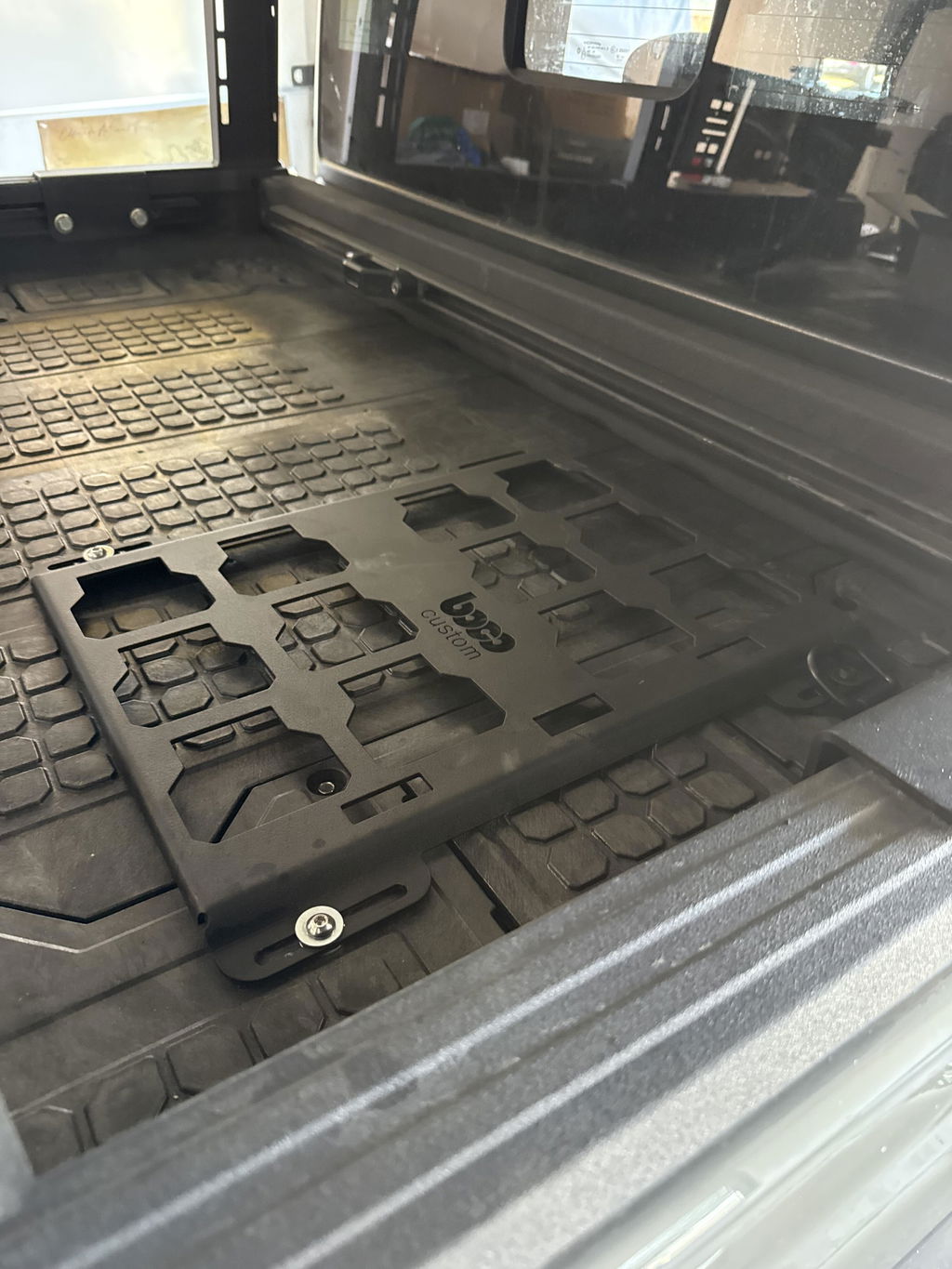
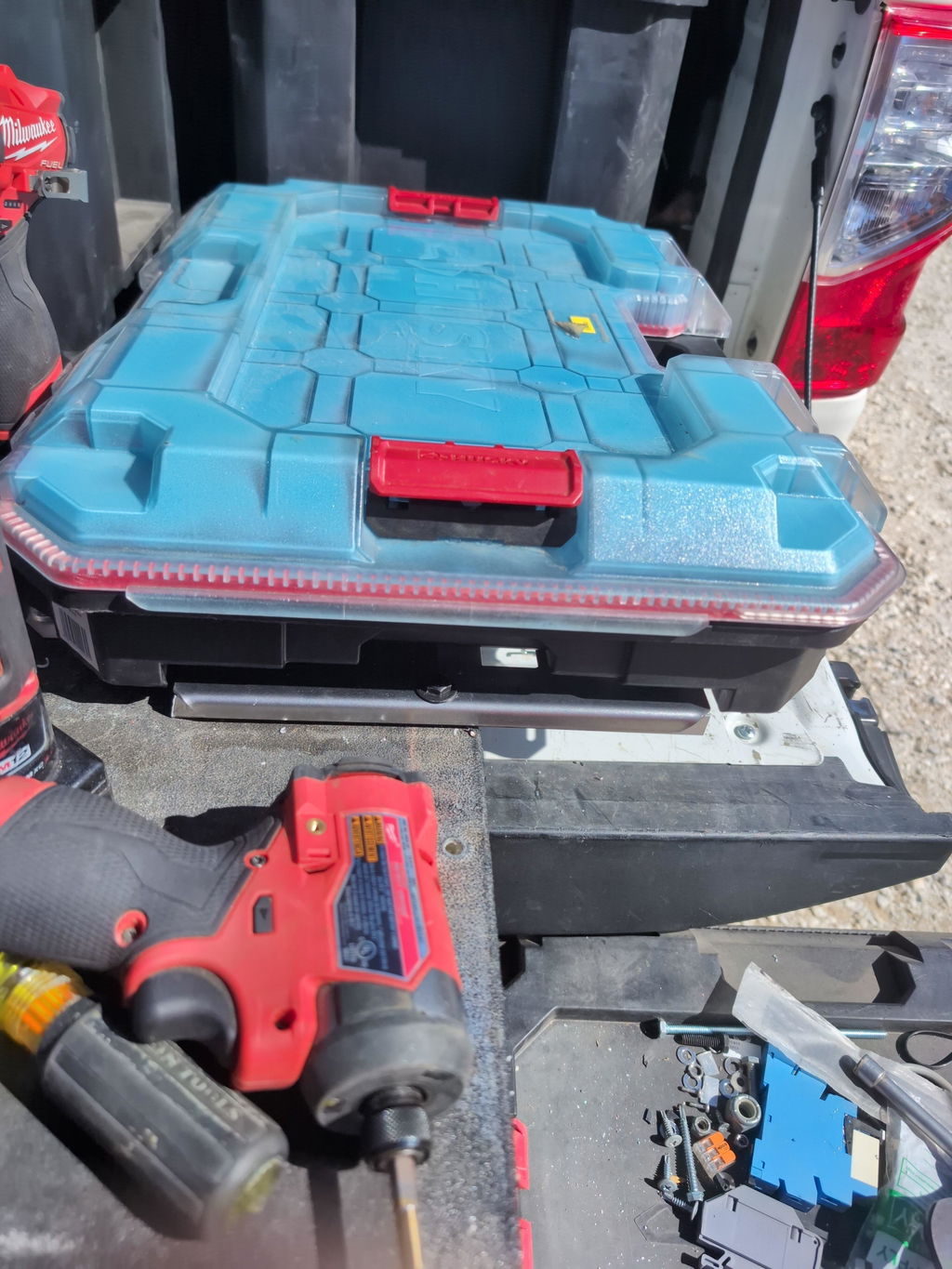
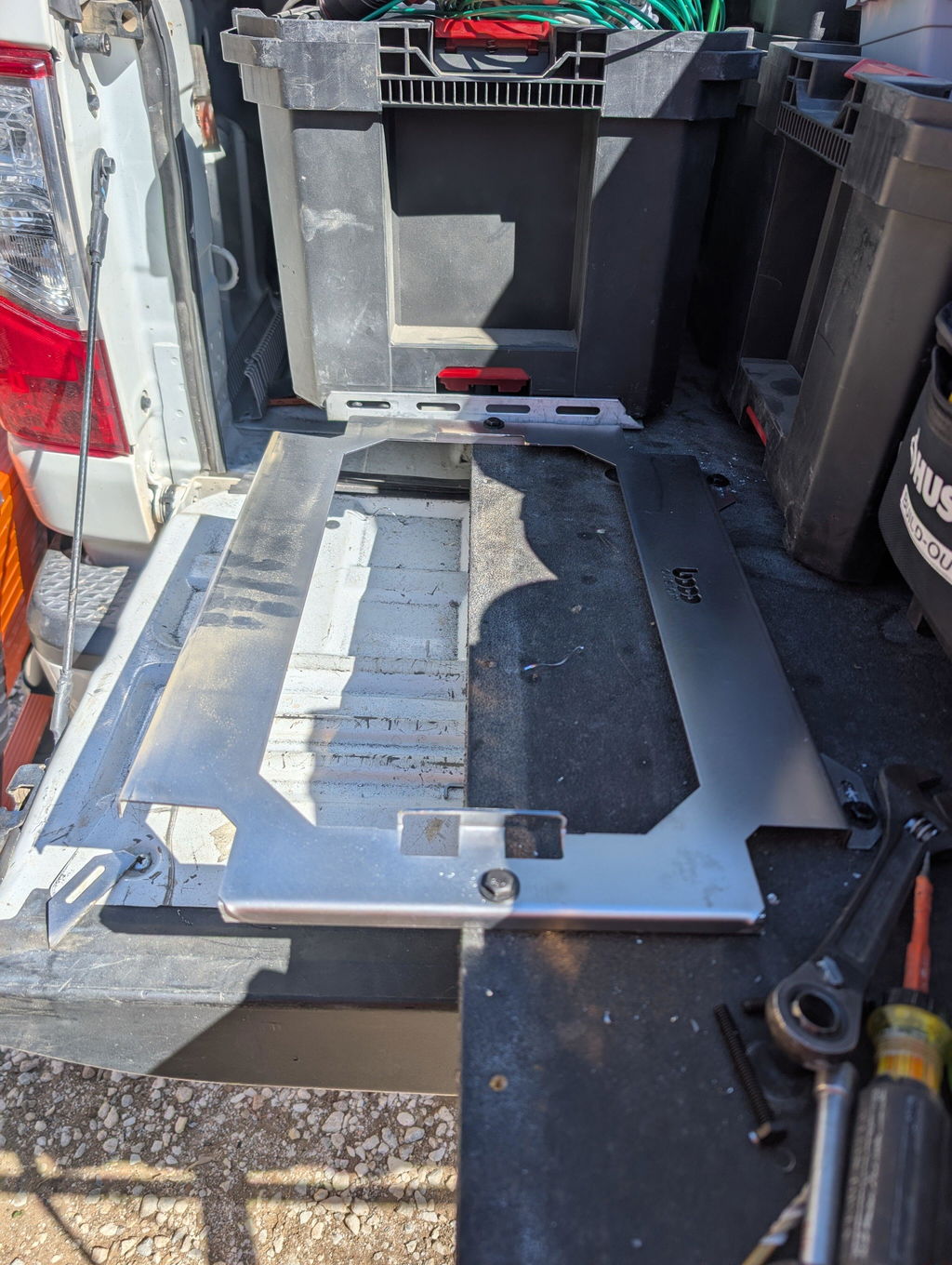
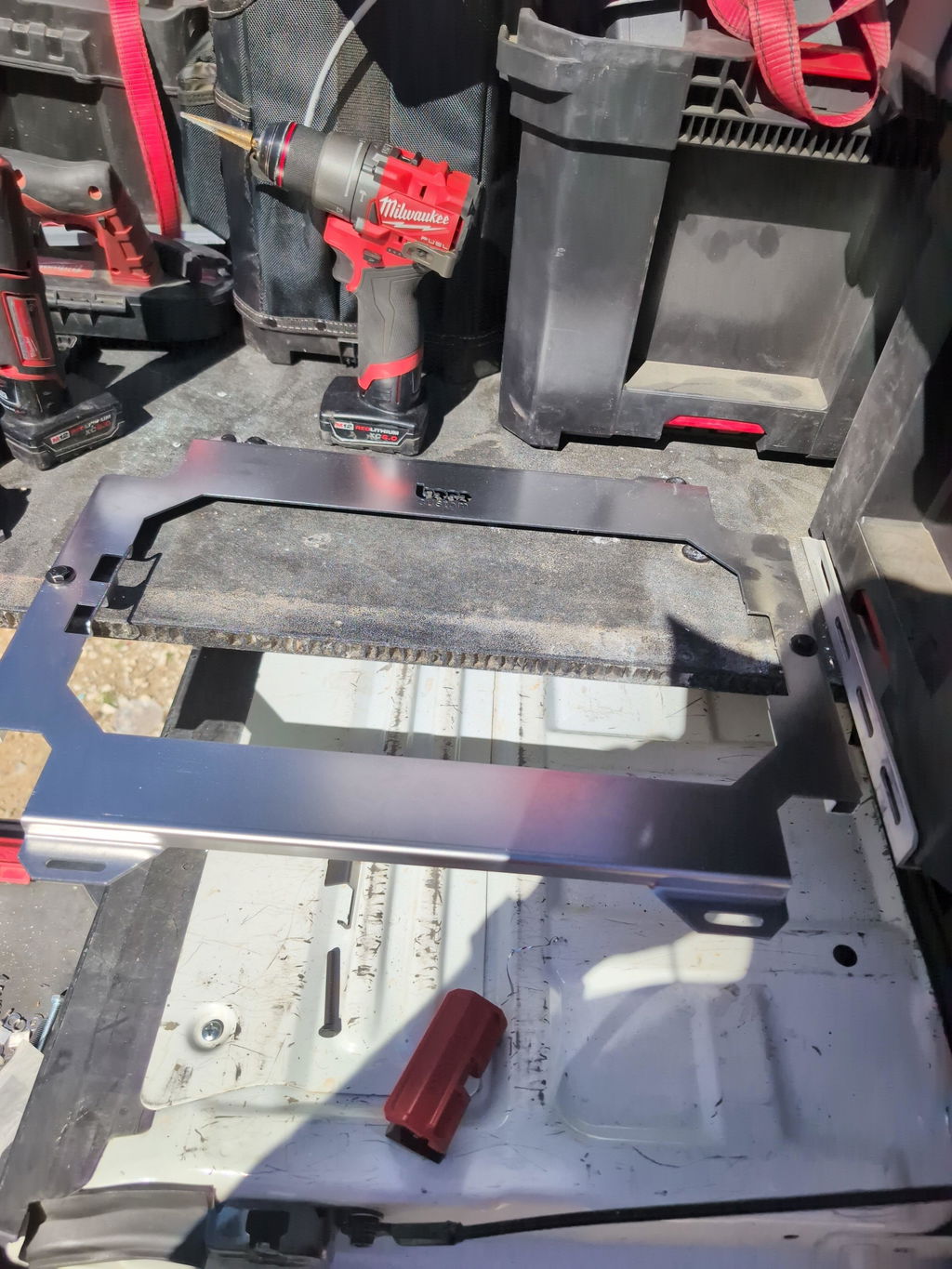
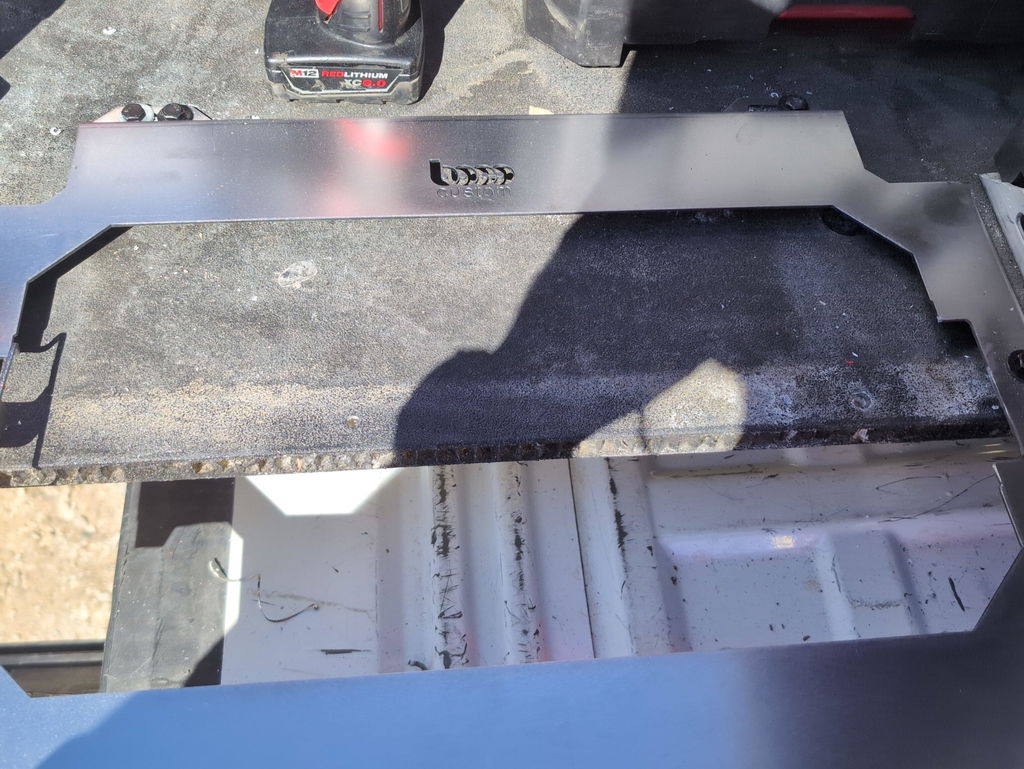
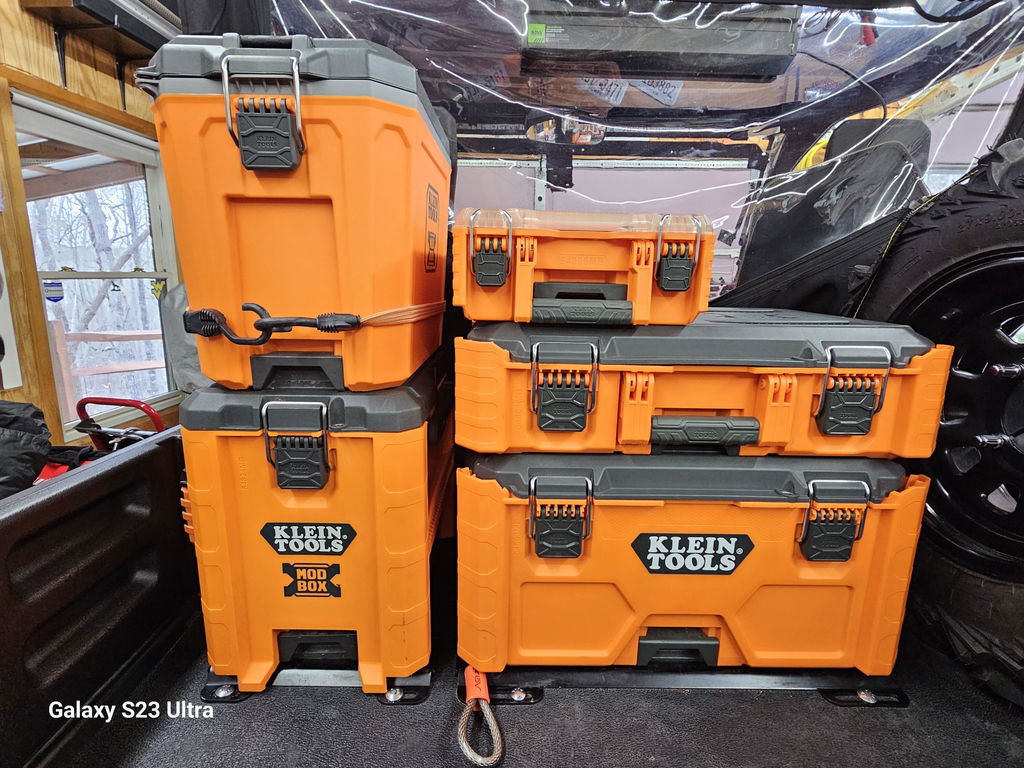
Not only is this way overbuilt for the price with its solid, confident craftsmanship, I am completely convinced that these guys are the best around when it comes to the packout platform.
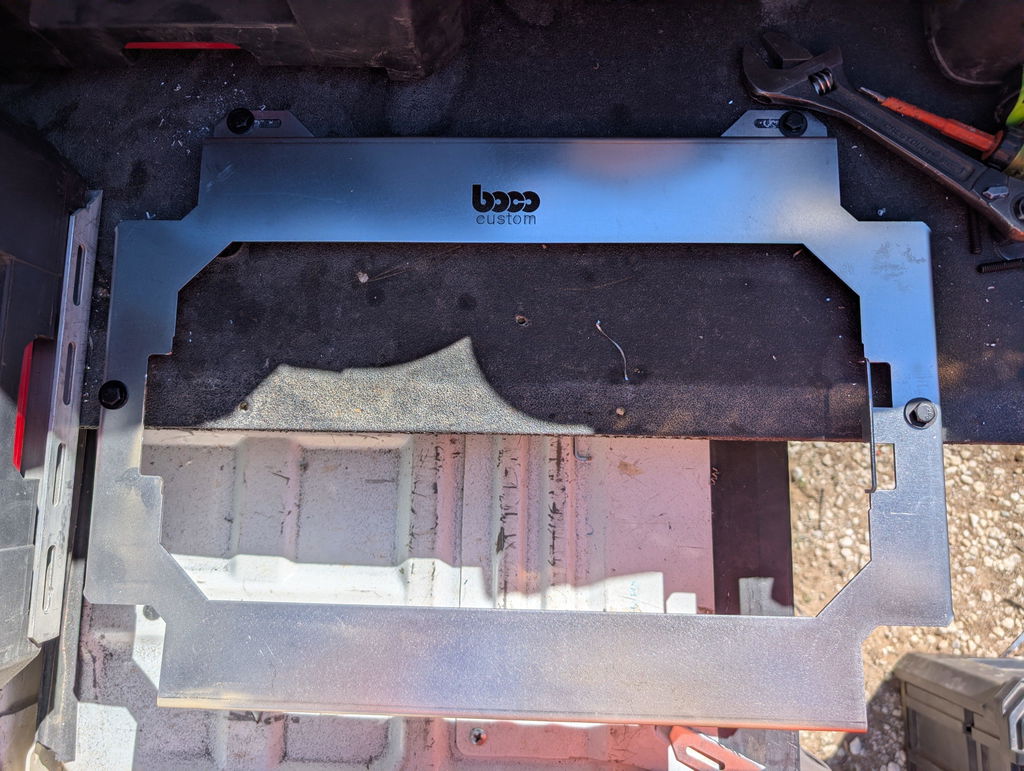
I like these, they are much more compact than what Milwaukee offers. I had them powder coated in silver vain and they look awesome. I love the bonus half rack they sent me. That’s the mark of a nice company.


Leave a comment