Etsy vs. Specialized Fabricators: Where to Find Quality Custom Tool Organization Parts for Tradespeople
The Need for Custom Tool Organization
Professional crews don’t work in generic spaces. Vans, enclosed trailers, gang boxes, and rolling carts all have unique clearances, fastener locations, and weight limits. Off‑the‑shelf organizers often waste space, loosen under vibration, or don’t interface with the exact tool systems a crew runs. That’s why custom tool organization parts are increasingly essential for reliable professional tool storage.
Common gaps with one-size-fits-all tool organization solutions:
Mixed ecosystems: Crews may run Milwaukee Packout alongside DeWalt TSTAK or Hilti cases and need a single mounting surface that locks in multiple patterns.
Tight clearances: Rear doors, wheel wells, and shelf undersides demand low-profile plates that preserve aisle space and door seals.
Vibration and impact: Service vehicles and trailers need heavy duty tool mounts with positive engagement so boxes don’t walk, rattle, or shear fasteners over time.
Structure and load: Mounts must align to ribs, studs, or Unistrut and distribute load across more surface area to prevent oil-canning thin vehicle panels.
Security and weather: Lock points and durable, powder-coated steel resist tampering, corrosion, and salt-laden road spray.
Consider a few real-world scenarios:
An electrician wants Packout drawers on a Sprinter rear door without hitting weatherstripping. A low-profile steel plate that matches Packout geometry and the door’s reinforcement pattern solves it.
A plumber’s cart must pass through 32-inch doorways. Slim mounting plates keep the profile tight while still supporting stacked organizers.
A mobile welder needs grinder hooks, clamp racks, and a Packout base on a flatbed. DXF-based plates let a local shop laser-cut parts that match the truck’s hole layout and tie-downs.
The custom fabrication benefits are tangible. Purpose-built plates and brackets match exact bolt patterns, include slots for rivnuts or plus nuts, and maintain access to factory tie-downs. They also standardize setups across vehicles, so crews can swap kits without re-drilling.
For fabricators, instant-download DXF files are a force multiplier. They enable same-day cutting on laser or CNC plasma, easy mirroring for left/right panels, efficient sheet nesting, and quick tweaks to hole spacing for unique substrates.
The result is true custom shop organization: labeled zones, repeatable mounts, and rugged hardware that protects tools, speeds load-in/out, and reduces downtime—built around the way professionals actually work.
Why Professionals Demand Tailored Solutions
Time is money on a jobsite. Off-the-shelf brackets and marketplace gadgets might look the part, but they rarely survive real-world abuse or fit complex rigs. That’s why tradespeople seek custom tool organization parts designed around their exact tools, vehicles, and workflow.
Precision fit matters. Mounting plates built to the hole patterns and latch geometry of systems like Milwaukee Packout or DeWalt ToughSystem eliminate slop and rattles. Low-profile footprints keep aisles clear and drawers sliding, even in tight van bulkheads or under-shelf installs. For example, a service electrician can mount Packout bases flush on a Sprinter partition without blocking a side-door cabinet.
Strength is non-negotiable. Heavy duty tool mounts in powder-coated steel resist vibration, salt, and impact—protecting both gear and vehicle. Secure latch retention and reinforced tie-down points stop 40–60 lb cases from shifting over railroad crossings or rutted access roads. That stability prevents broken cases, damaged meters, and wasted time.
Placement drives productivity. Purpose-built tool organization solutions let crews stage high-frequency tools within arm’s reach and stow seasonal or specialty kits up high. A finish carpenter might keep a nailer Packout on a quick-release plate at the door for fast swaps between trim and casing, while keeping a biscuit joiner kit locked low to lower the center of gravity.
Fabricators demand speed and accuracy. Instant-download DXF files deliver custom fabrication benefits: open them in CAD, adjust hole spacing for a specific upfit, nest parts, and cut on a CNC plasma or fiber laser—today. Tight tolerances ensure bolt holes align with factory rails and M8/M6 hardware, so installs are repeatable across a fleet.
What pros expect from professional tool storage components:
Compatibility with major systems and vehicle platforms
Low-profile designs that maximize aisle and drawer clearance
Powder-coated finishes for durability in harsh environments
Rattle-free, secure retention under constant vibration
Same-day availability or local pickup to avoid downtime
For custom shop organization, tailored parts aren’t a luxury—they’re how crews protect investments, meet deadlines, and scale standards across trucks, trailers, and the shop floor.
Etsy for Custom Parts Overview
Etsy is a broad marketplace where independent makers offer a wide range of custom tool organization parts. You’ll see everything from 3D‑printed bit racks and battery clips to CNC‑cut steel mounting plates designed to interface with popular systems used by tradespeople.
Common listings include:
Packout‑compatible wall mounts and plates, drawer dividers, and foam inserts
Magnetic socket rails, drill and impact holsters, and battery charging docks
Steel or aluminum cleat plates for van walls, carts, and shop cabinets
Instant‑download CAD assets (DXF, STL) for DIY fabrication and shop mods
Custom shop organization labels, trays, and metal signage
The appeal is variety and speed. Many sellers will tweak dimensions, hole spacing, or logo placement without large minimums. Digital files can be purchased for immediate use in your own CNC workflow, offering clear custom fabrication benefits when you have in‑house capability. For small, non‑structural fixtures, 3D‑printed PETG or ABS can be an efficient solution.
Illustration for Etsy vs. Specialized Fabricators: Where to Find Quality Custom Tool Organization Parts for Tradespeople
Quality, however, is inconsistent. Etsy does not enforce standardized testing or load ratings, so due diligence is critical—especially for heavy duty tool mounts used in vehicles or on mobile carts. Some parts are robust, powder‑coated steel; others are hobby‑grade plastics that may soften in hot vans or crack under vibration. Listing photos can look similar while materials, thickness, and hardware quality vary significantly.
Before buying, verify:
Material and gauge: ask for steel thickness (for example, 11–14 ga) or aluminum grade
Finish: powder coat type and corrosion protection if exposed to weather
Fitment: compatibility with your system (Milwaukee Packout, DeWALT ToughSystem, Ridgid Pro, van racking); confirm hole patterns and clearances
Hardware: included fasteners, grade, and mounting method
Load expectations: seller’s stated capacity, use case (vehicle vs. shop), and any testing
Dimensions: ensure door swing, drawer travel, and lid clearance with loaded tools
Consistency: ability to reorder identical parts for fleet or crew standardization
Seller reputation: review volume, install photos, response time, warranty, and return policy
Lead time and shipping reliability; local pickup if timing is critical
For one‑off tool organization solutions or prototyping, Etsy can be effective. For mission‑critical, repeatable components in professional tool storage—where secure transport, durability, and uniformity matter—evaluate sellers carefully or consider specialized fabricators for tighter control and predictable results in custom shop organization.
Benefits and Limitations of Etsy Creators
Marketplaces can be a useful source for custom tool organization parts, especially for niche accessories that big brands don’t offer. Individual makers design clever add‑ons for popular systems like Milwaukee Packout, DeWalt TSTAK, and Festool Systainer, helping pros fine‑tune drawers, lids, and walls without waiting for a corporate release cycle.
Key strengths you’ll find from small-shop creators:
Personalization at low cost: Nameplates, color‑matched labels, and layout‑specific inserts tailored to your kit.
Rapid iteration: Makers can tweak hole spacing, add cable pass‑throughs, or rework a cleat profile after feedback.
Niche categories: Battery holsters for specific tool generations, radio/charger brackets, bit rails that fit a particular drawer height, or Packout-compatible hooks that don’t exist off the shelf.
Light‑duty solutions: 3D‑printed bins, Kaizen foam templates, and CNC‑routed plywood dividers that tidy up a cart or bench for custom shop organization.
However, limitations matter when you depend on gear daily:
Materials and durability vary. Many listings rely on PLA/PETG prints or thin sheet metal with rattle‑can paint. For vehicle racks or jobsite vibration, powder‑coated steel in appropriate gauge (e.g., 12–14 ga) and Grade 8 hardware provide more reliable heavy duty tool mounts.
Fitment tolerances can be inconsistent. Packout cleat geometry, hole patterns for Systainer rails, and latch interfaces need tight control; minor deviations cause rattle, premature wear, or accidental release.
Load ratings are rarely validated. “Holds 75 lb” is often anecdotal. Ask how weight was tested (static vs. dynamic), mounting substrate assumed, and fastener spec.
Finish and corrosion resistance may be unclear. Powder type, cure, and prep (blast/pretreat) impact longevity in trucks and humid shops.
Lead times and continuity can fluctuate. Made‑to‑order parts may slip during busy seasons; designs can be discontinued without a consistent supply of replacements.
Due diligence before you buy:
Confirm material, thickness, finish, and hardware grade.
Request exact hole spacing, slot dimensions, and cleat geometry.
Ask for load testing method, photos under load, and mounting guidance.
Review seller history with tradespeople (not just hobby use).
Check return terms and whether the seller provides DXF or clear drawings if you need to integrate the part into broader tool organization solutions.
In short, marketplace makers shine for affordable personalization and clever accessories. For professional tool storage in vehicles, trailers, or high‑vibration environments—where custom fabrication benefits like verified specs, powder‑coated steel, and same‑day availability matter—specialized fabricators are usually the safer choice.
Specialized Fabricators Professional Approach
Specialized fabricators treat custom tool organization parts like mission-critical hardware. Instead of one-off hobby designs, they start with CAD models built around OEM geometries for popular systems like Milwaukee Packout, ensuring hole patterns, latch clearances, and stack heights are exact. That precision translates to repeatable fit across batches and fewer surprises when you’re installing mounts in a truck, trailer, or shop bay.
Material selection and fabrication methods are chosen for jobsite abuse. Heavy-gauge metal cut on CNC equipment yields rigid, low-profile plates that don’t flex under load. Edges are deburred, and mounting slots are sized to allow quick alignment while keeping assemblies tight once torqued. Powder-coated finishes add corrosion resistance and a professional look that stands up to daily handling, vibration, and weather.
The result is heavy duty tool mounts that integrate cleanly into professional tool storage ecosystems. Typical applications include:
Bulkhead and wall plates to anchor Packout stacks in service vans and enclosed trailers.
Low-profile floor plates that let rolling boxes lock down without eating cargo space.
Bench or rack integrations that secure organizers while keeping lids and drawers operable.
Custom metal signs and labeling plates to standardize zones and improve custom shop organization.
For fabricators who prefer to build in-house, instant-download DXF files are a major advantage. Clean, ready-to-cut drawings let you load parts into your CNC laser or plasma and fabricate the same day, eliminating guesswork on spacing and tolerances. This approach keeps projects moving and preserves accuracy across multiple vehicles or job boxes.
The professional approach also shows up in logistics. Same-day shipping gets tool organization solutions on site when deadlines shift, and local pickup helps regional teams stay agile. Consistent plate thicknesses, standardized hardware sizing, and secure, low-profile designs reduce install time and rework, which is where the real custom fabrication benefits appear—in hours saved and tools arriving intact.
When the goal is reliable, organized transport, specialized fabricators deliver purpose-built custom tool organization parts that look clean, fit right, and hold up to the grind of daily field use.
Advantages of Dedicated Fabrication Expertise
For working pros, the difference between marketplace listings and a specialist shop shows up in the details. Dedicated fabricators design custom tool organization parts around real loads, real vehicles, and real jobsite abuse—so the parts fit right, carry weight without flex, and stay quiet and secure over time. That’s the foundation of reliable tool organization solutions for vans, service bodies, and shops.
What a specialist delivers:
Illustration for Etsy vs. Specialized Fabricators: Where to Find Quality Custom Tool Organization Parts for Tradespeople
Proven fitment: Hole patterns and locking geometry that precisely match major systems (e.g., Milwaukee Packout) to eliminate slop, rattles, and premature wear.
Engineering and testing: Defined load ratings, vibration and cycle testing, and brackets that account for dynamic forces, not just static weight.
Material and process control: CNC-laser cut 11-gauge steel or 5052 aluminum when weight matters; press-brake formed features; TIG/MIG welds in fixtures for repeatability.
Durable finishes: Powder-coated surfaces at consistent mil thickness to resist abrasion, moisture, and chemicals, with edges broken to prevent chipping.
Low-profile, secure hardware: Countersunk fasteners, locking tabs, and anti-backout features that keep heavy duty tool mounts tight in vehicles.
Documentation: Part numbers, revision control, torque specs, and install notes so crews can standardize across fleets and locations.
Support and logistics: Same-day shipping for deadlines, local pickup when you’re nearby, and quick replacements that match prior orders.
If you fabricate in-house, specialist-provided DXF files amplify the custom fabrication benefits. Clean, layer-organized, 1:1 files include accurate hole patterns, bend lines, and kerf-aware radii for laser or plasma. That means you can cut today, bend tonight, and bolt up tomorrow without reworking slots or chasing tolerance stack-ups. Instant-download drawings reduce downtime and help you keep projects moving.
Consider a service van build: a low-profile mounting plate that locks into Packout while clearing a door seal, with powder coat that survives winter brine. A dedicated fabricator like Boco Custom anticipates those constraints, ships the plate the same day, and offers matching accessories for future expansions.
The same precision extends to custom metal signs and labeling, helping with professional tool storage and custom shop organization while maintaining a consistent, durable aesthetic across your fleet and facility.
Evaluating Quality and Durability Factors
When comparing Etsy listings to specialized fabricators for custom tool organization parts, durability comes down to materials, manufacturing precision, fitment accuracy, and proven load performance.
Start with materials and thickness. Heavy duty tool mounts built from 10–12 gauge steel or 3/16-inch aluminum handle constant vibration and dynamic loads far better than 14–16 gauge hobbyist plates. Look for material callouts and, ideally, published load ratings (for example, 150 lb static, 75 lb dynamic per mount). If a seller can’t state the alloy or gauge, assume variability.
Manufacturing method matters. Laser-cut parts with tight kerf control and CNC-formed bends hold hole spacing within spec so they properly interface with professional tool storage systems like Milwaukee Packout or DeWalt ToughSystem. Plasma-cut parts from a garage table often show heat-affected edges, warped flatness, and oversize holes that lead to rattle and premature wear.
Corrosion protection is another divider. A powder-coated finish over a phosphate or zinc prep resists chips, solvents, and winter brine; a single rattle-can coat won’t. Look for notes such as polyester powder, 2–3 mil film build, and baked cure versus “painted black.”
Hardware and assembly details signal longevity:
Captive nuts or rivnuts to prevent stripping thin sheet
Grade-marked or stainless fasteners with Nylock or threadlocker for vibration resistance
TIG/MIG welds performed in jigs for consistent alignment
Deburred edges and radiused corners to protect straps and hands
Fitment is where specialized fabricators excel. Low-profile, secure designs maintain latch engagement, keep stack height minimal, and preserve drawer or shelf clearances. Precise hole patterns and standoff heights mean cases lock with a solid click, not a wobble.
Quality control and documentation reduce risk. Expect installation guides, torque specs, and compatibility notes by model. Specialized shops often validate with cycle and shake testing and back parts with warranty and same-day shipping—key for time-sensitive tool organization solutions.
For fabricators, instant-download DXF files with correctly dimensioned hole patterns, bend lines, and tab-and-slot features enable accurate, repeatable self-fabrication—one of the clear custom fabrication benefits over ad hoc files.
Quick checklist:
Gauge/alloy specified and load rating published
Laser-cut, CNC-bent, jig-welded
Powder-coated over proper prep
Hardware type and anti-vibration details listed
Verified compatibility with your system
Clear documentation and support
Choosing purpose-built components elevates custom shop organization, ensures secure transport, and extends the life of your tools and storage.
Precision Engineering and Material Selection
For tradespeople, precision engineering and material choice are what separate dependable custom tool organization parts from “good enough.” Hobby marketplaces can offer creative ideas, but tolerances, material grades, and load testing are often undocumented. Specialized fabricators design around real-world use—vibration, dynamic loads in vans, and tight clearances—so mounts stay put and tools stay accessible.
Start with the substrate. For heavy duty tool mounts, look for laser-cut steel in the 10–12 gauge range (HRPO or A36) or 5052-H32 aluminum in 3–4 mm for weight savings with adequate rigidity. Avoid ambiguous “mild steel” callouts and thin sheet that oil-cans. If polymers are used for inserts, nylon or HDPE outperform PLA in heat, UV stability, and impact resistance. Finishes matter: a baked-on powder coat at 2–4 mils provides abrasion and corrosion resistance far beyond rattle-can paint.
Illustration for Etsy vs. Specialized Fabricators: Where to Find Quality Custom Tool Organization Parts for Tradespeople
Precision is also about interfaces. Hole patterns should match known standards—Milwaukee Packout tabs, E-Track’s 2-inch centers, Unistrut slots, or T-slot extrusion profiles—without forcing. Laser-cut parts should be flat, deburred, and designed with wrench clearance, captive hardware (PEM/Rivnut), and low-profile standoffs to keep center of gravity tight on doors, drawers, and van walls. Look for documented static and, ideally, dynamic load testing that reflects vehicle use.
Before you buy, verify:
Material type and thickness, not just “steel” or “aluminum”
Cut process and tolerances (CNC laser or waterjet; deburred edges)
Finish: powder coat spec and color, or zinc/nickel plating where appropriate
Hardware spec (zinc-coated Grade 5/8.8 bolts, stainless where needed)
Low-profile design with fastener access and tool clearance
Corrosion protection claims backed by testing, not marketing
Clear load guidance and install instructions
Availability of clean DXF files for modifications or in-house fabrication
Specialized providers like Boco Custom engineer tool organization solutions for professional tool storage: heavy-duty, low-profile mounting plates for major systems, powder-coated for durability, with same-day shipping and local pickup. Fabricators can skip modeling time with instant-download DXF files, enabling custom shop organization—mirroring hole patterns, adding flanges, or adapting plates to specific vans or carts—while preserving the custom fabrication benefits of precision and repeatability.
Instant DXF Files for Self-Fabrication
If you have access to a CNC plasma, laser, or waterjet—or a trusted local shop—instant DXF files let you produce custom tool organization parts the same day. Instead of waiting on a made-to-order listing from a marketplace, you control the material, finish, and timeline while keeping precision fitment for major systems like Milwaukee Packout and DeWalt ToughSystem.
The value is in the details. Well-prepared DXFs from a specialized fabricator include clean geometry and fitment features tailored to professional tool storage, so you can cut with confidence and avoid post-processing surprises.
What to expect from Boco Custom’s cut-ready DXFs:
Accurate interface geometry for popular tool systems, including keyed recesses and hole patterns for secure lock-in
Closed contours, no duplicate lines, correct scale, and logical layers for trouble-free CAM
Material and thickness notes (e.g., 11–12 ga or 3/16 in) with hardware callouts for heavy duty tool mounts
Slotted holes for adjustability, tie-down points, and countersink/counterbore annotations where needed
Edge radii and powder-coat allowances to maintain clearances after finishing
Basic dimension prints to verify critical sizes before you press Start
Example workflow:
Download a Packout-compatible bed plate DXF.
Cut in 11 ga HRPO steel on a CNC plasma with 0.06 in kerf; deburr and test-fit Packout feet.
Powder coat for durability; install in a van floor with rivnuts and Grade 8 hardware for a low-profile, rattle-free mount.
For shop-built tool organization solutions, DXFs also make custom fabrication benefits tangible:
Rapid iteration: tweak a slot location or add your logo without redrawing from scratch.
Batch efficiency: nest multiple plates for crew trucks or job boxes to standardize your fleet.
Material control: upsize to 3/16 in for extreme duty, or switch to aluminum to reduce weight on doors and drawer faces.
Whether you’re outfitting a service van or building a fixture wall for custom shop organization, instant downloads put production on your schedule. You get purpose-built geometry from a specialist, with the freedom to fabricate locally and finish to your own standard—fast, precise, and built to work.
Making the Right Choice for Your Tools
Choosing between marketplace sellers and a dedicated fabricator comes down to how hard you run your gear and how precise the fit needs to be. If your work involves daily road vibration, heavy loads, or compliance with specific systems like Milwaukee Packout, prioritize vendors who build for those demands and publish exact specs.
Look for these decision points:
Compatibility: Does the part match hole patterns and latching geometry of your professional tool storage system without adapters or drilling?
Materials and construction: Are the plates truly heavy duty tool mounts designed to resist flex, vibration, and impact over time?
Profile and space use: Low-profile mounts keep aisles and drawers usable in vans, trucks, and carts.
Finish and longevity: Powder-coated components hold up to abrasion, chemicals, and weather better than painted or raw parts.
Documentation and repeatability: CAD-accurate files and install guidance eliminate trial-and-error.
Lead time and support: Same-day shipping and local pickup matter when downtime costs you.
Marketplace listings can be useful for unique or aesthetic pieces, but quality varies. A specialized fabricator focuses on consistent, field-tested tool organization solutions with tighter tolerances and standardized hardware. That consistency pays off when you’re outfitting multiple vehicles or stations and need every plate to align perfectly.
Concrete examples:
Service van build: A low-profile mounting plate that locks Packout boxes to a bulkhead without protruding hardware reduces snag hazards and keeps the center aisle clear. Powder coat prevents rust from wet boots and winter road salt.
Site cart: Heavy duty tool mounts for a compact compressor and battery charger that won’t loosen after weeks of rolling across concrete joints.
Shop standardization: Instant-download DXF files let your in-house team cut identical brackets, plates, and labels on a plasma or laser, ensuring exact hole spacing across all workstations for clean custom shop organization.
Specialists like Boco Custom focus on professional tool storage: heavy-duty, low-profile mounting plates for major systems, powder-coated durability, and secure designs. If you fabricate in-house, their precise DXF files save time and scrap. Need parts now? Same-day shipping and local pickup reduce downtime—key custom fabrication benefits that generic listings can’t guarantee.
Standard shipping takes 5 to 7 business days. Express (2 to 3 days) and overnight options are available at checkout. Orders over $50 ship free.
Can I order online and pick up in store?
Yes. Select "Pick up in store" at checkout and choose your nearest location. Most orders are ready within 2 hours.
What if my order arrives damaged?
Contact us within 7 days of delivery with your order number and a photo. We'll arrange a replacement or refund, no return shipping required.
AI-Generated Content Disclosure
This blog post was created with the assistance of RankGPT, an AI-powered tool designed to generate high-quality, SEO-optimized content at scale.
As a small business embracing modern technology, we use AI to help us:
Produce informative articles more efficiently
Increase our online visibility through better performance in traditional search engines (like Google) as well as emerging AI-powered searches and answer engines
Reach more potential customers and grow our presence in a competitive digital landscape
By leveraging tools like RankGPT, we're able to publish valuable content more consistently and scale our efforts in ways that would otherwise take significantly more time and resources.
Important notes for readers:
While RankGPT helps create well-structured and relevant content based on current best practices, AI-generated posts are not always 100% accurate, complete, or free from errors.
The information, opinions, and perspectives expressed may not fully reflect the exact views, experiences, or official positions of Boco Custom, its team members, or the individuals involved in our business.
AI content should be viewed as a starting point or general resource—not as personalized professional advice, definitive facts, or a substitute for direct consultation with us or qualified experts.
We always recommend verifying important details independently, especially for decisions related to custom products, services, or any business matters.
We are committed to transparency and continually work to improve our content. If you have questions, feedback, or spot any inaccuracies, please reach out—we genuinely appreciate it!
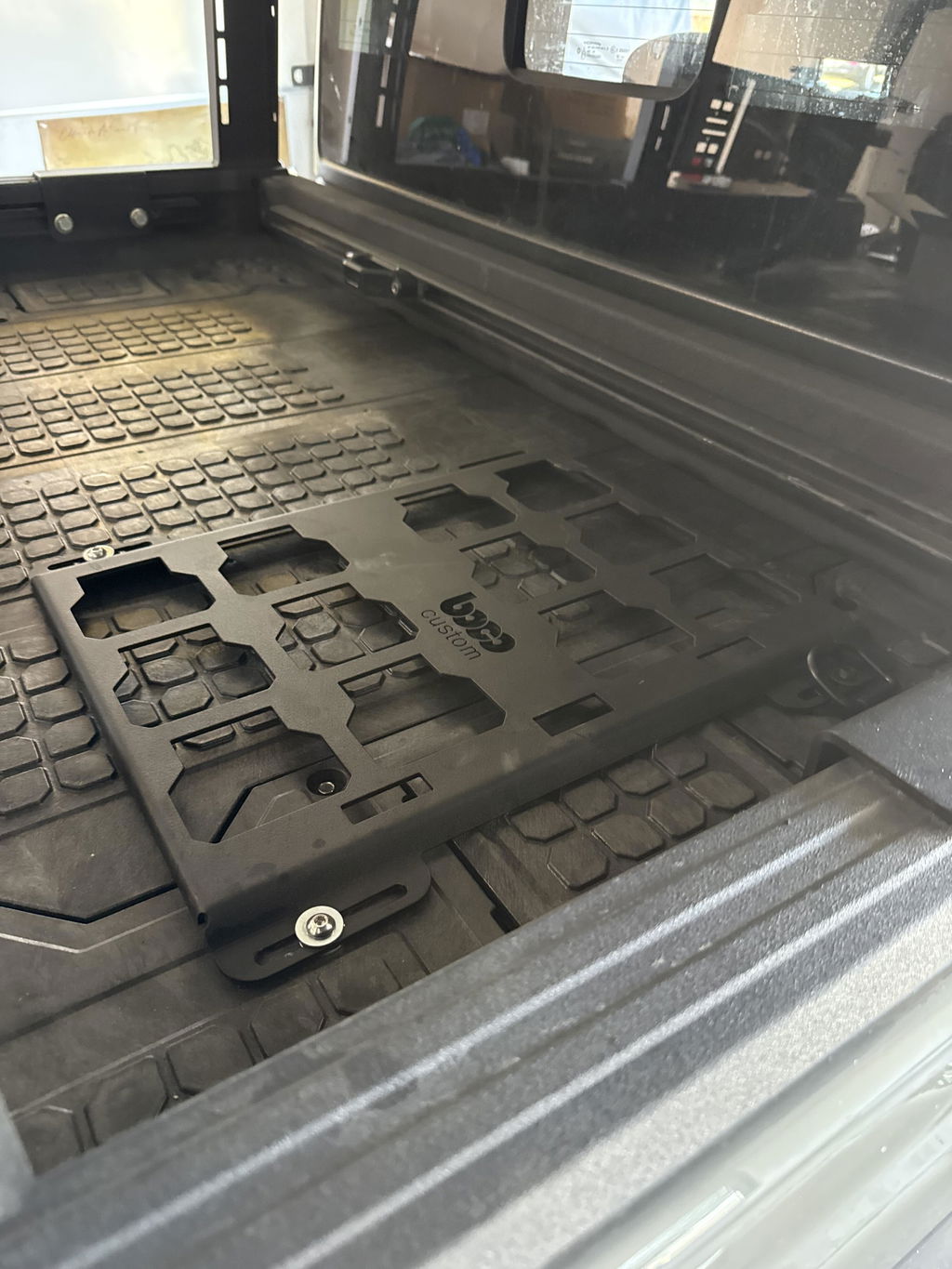
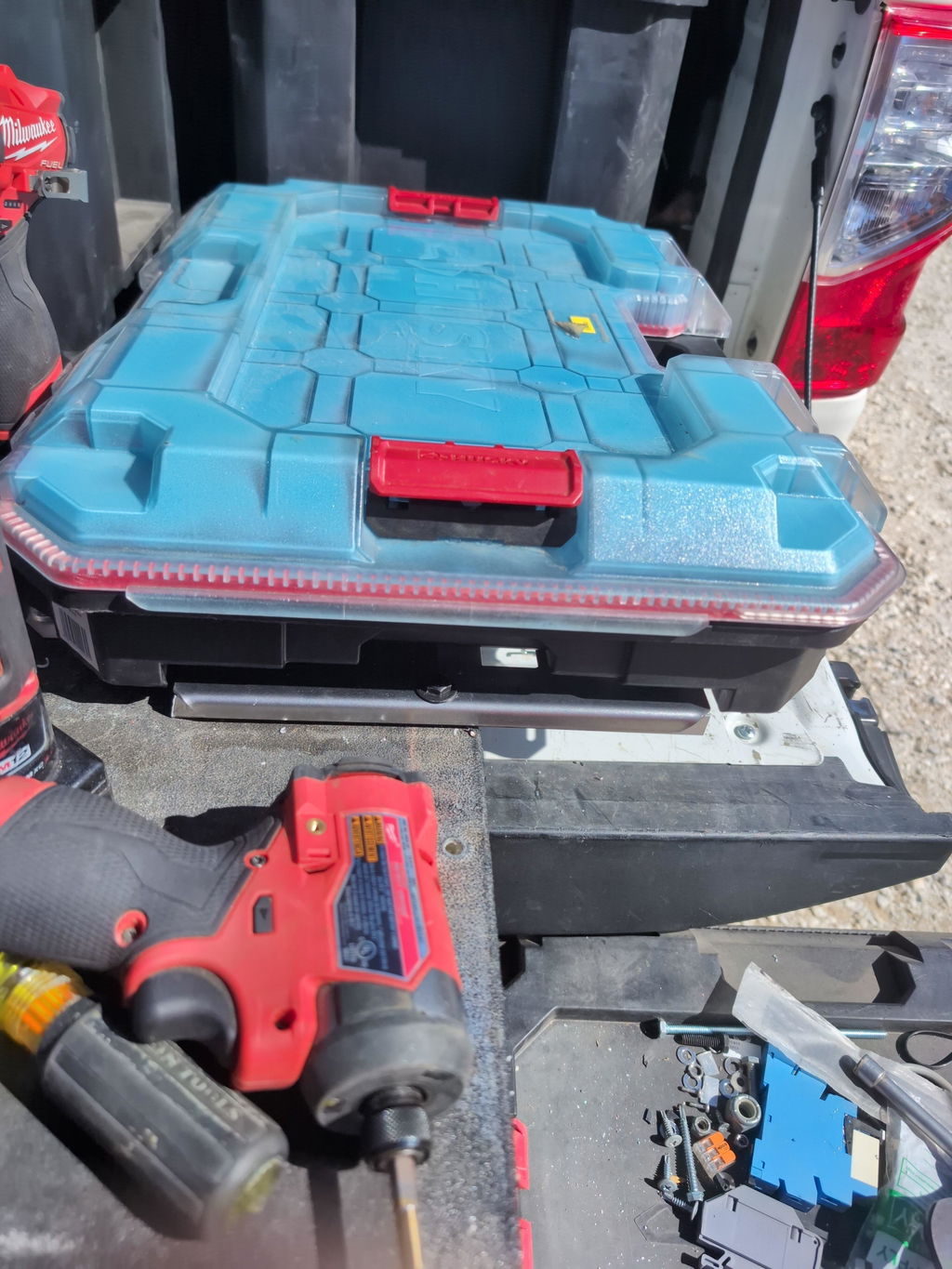
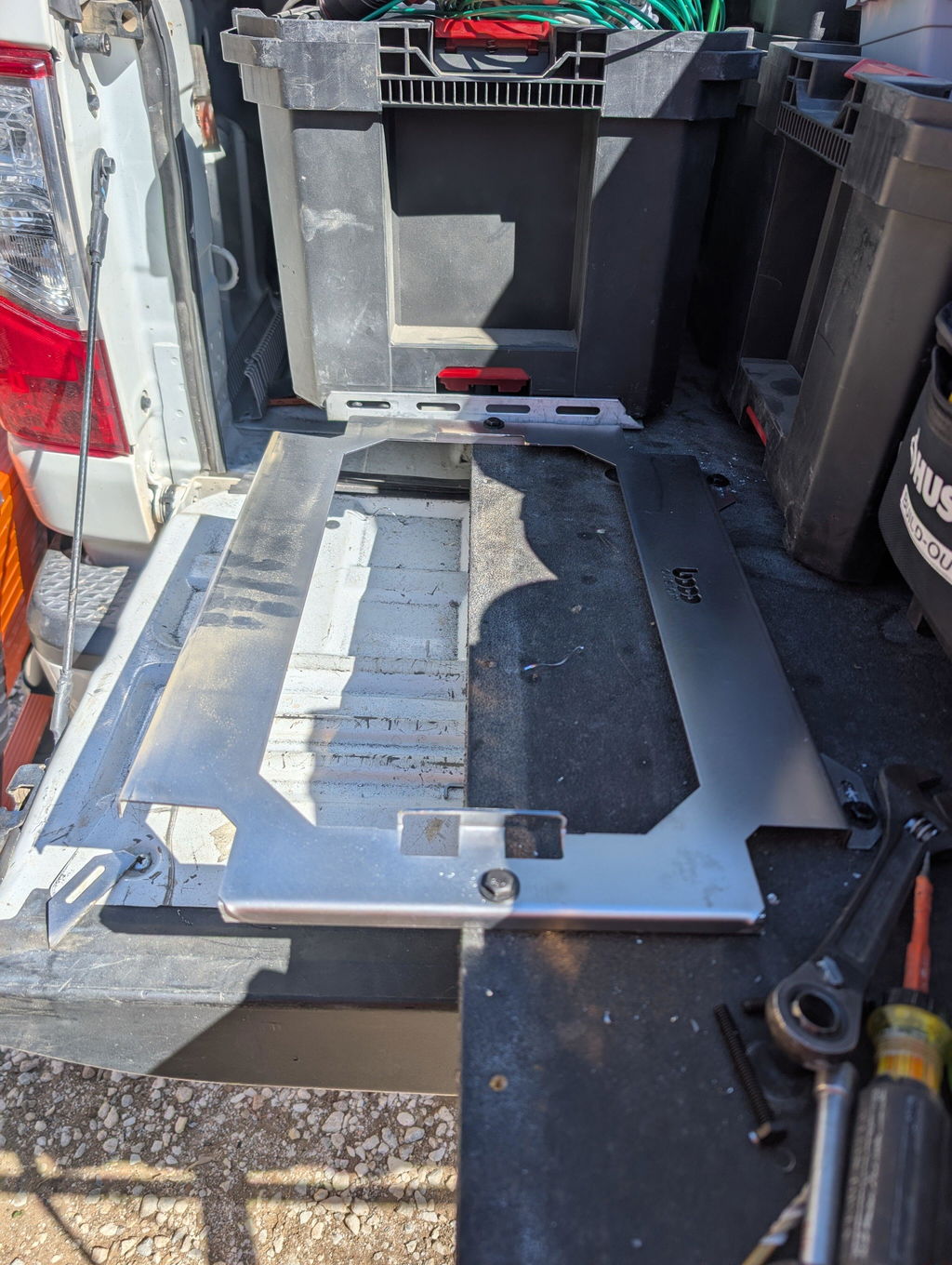
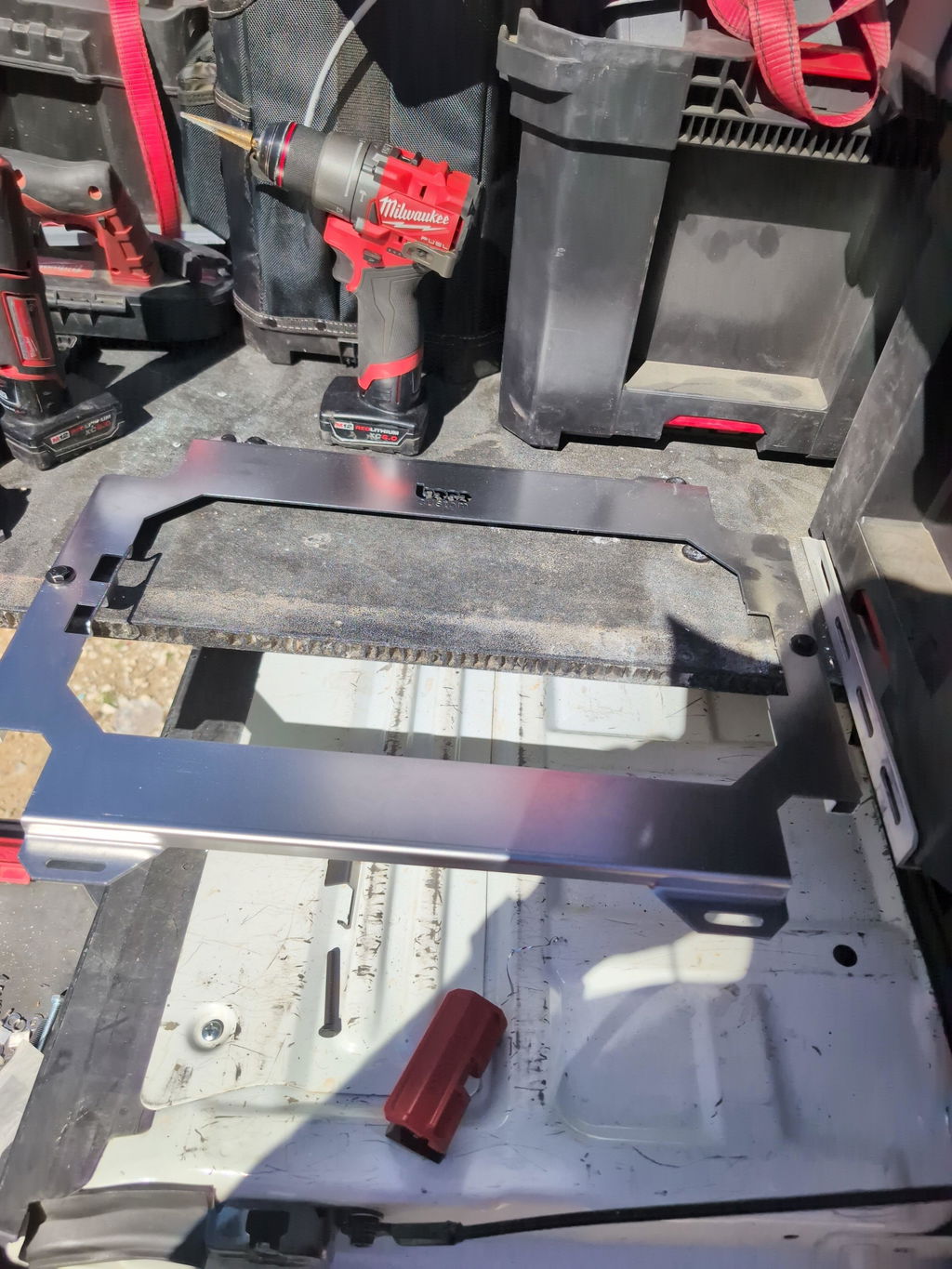
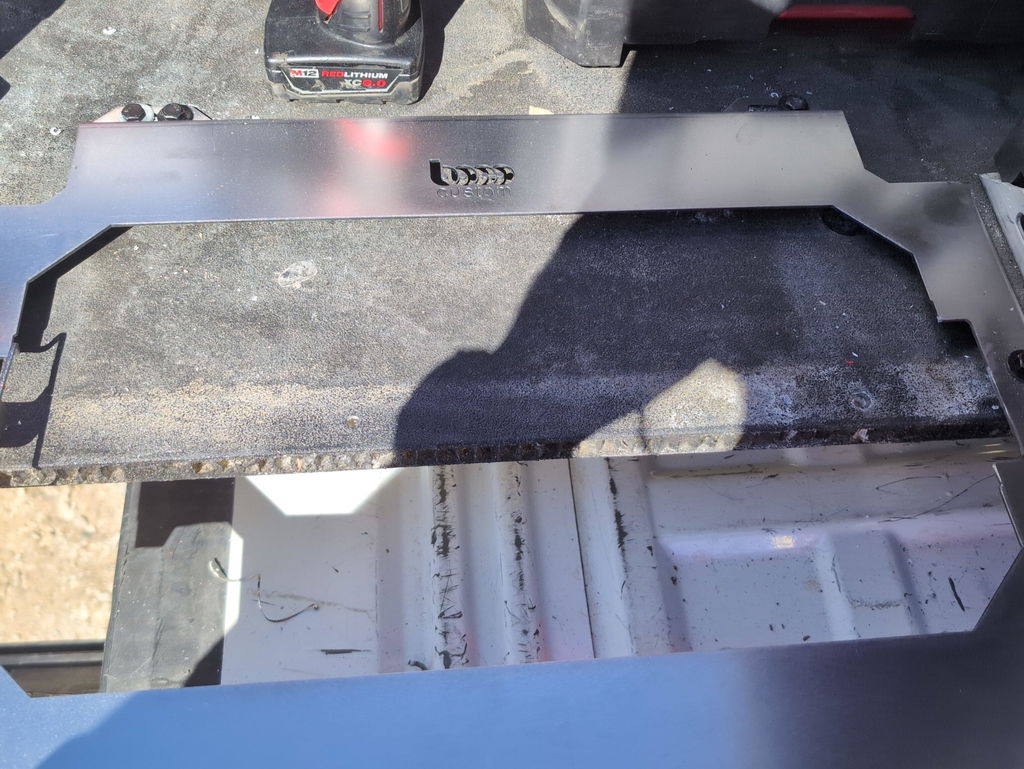
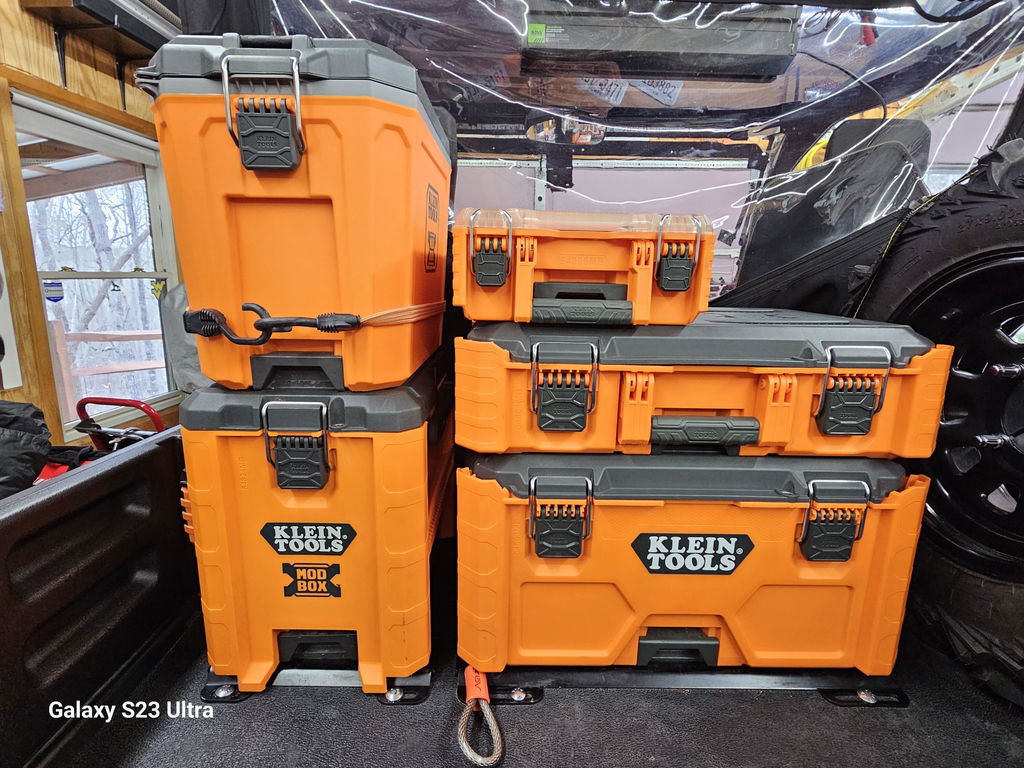
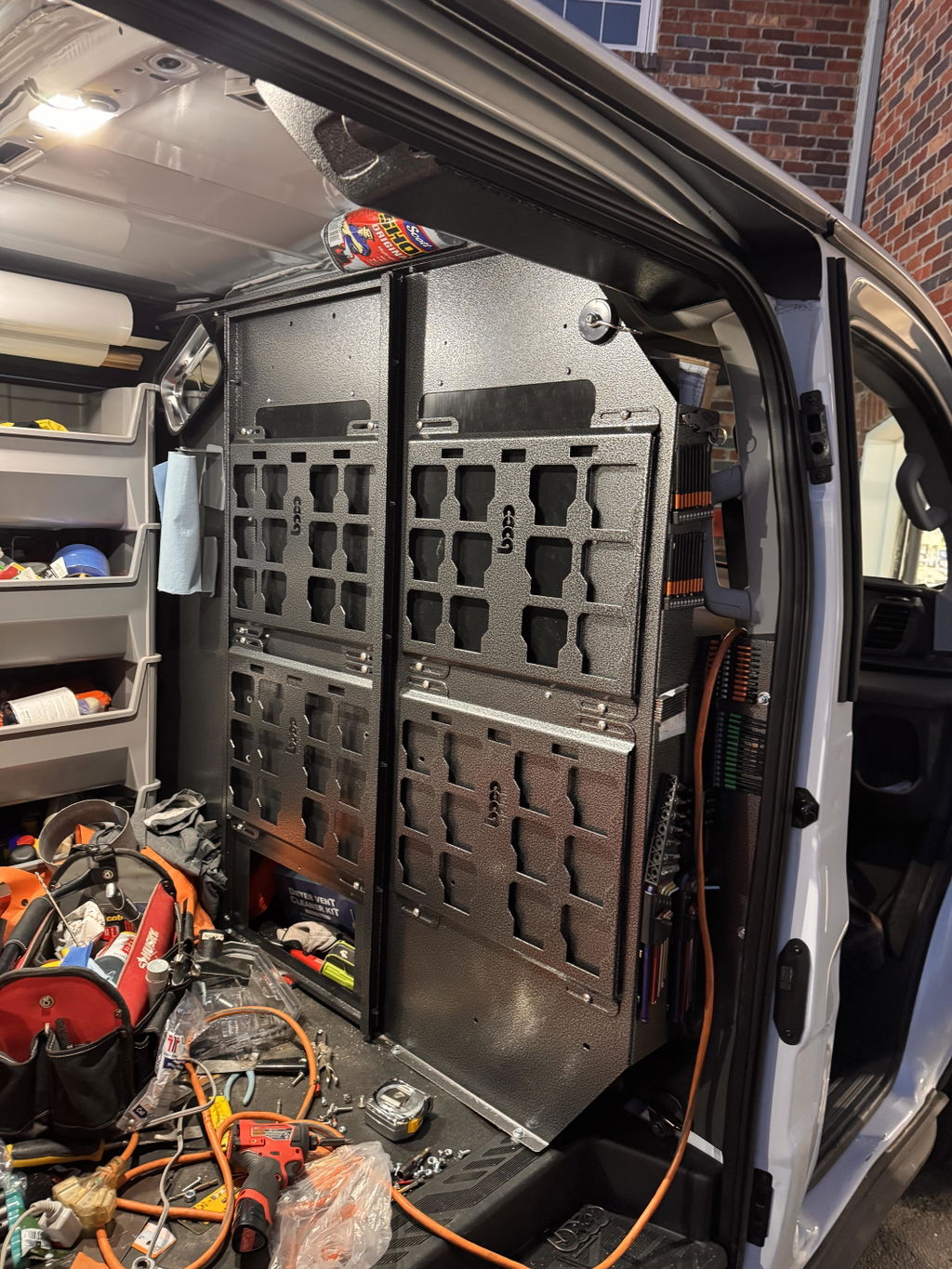
Not only is this way overbuilt for the price with its solid, confident craftsmanship, I am completely convinced that these guys are the best around when it comes to the packout platform.
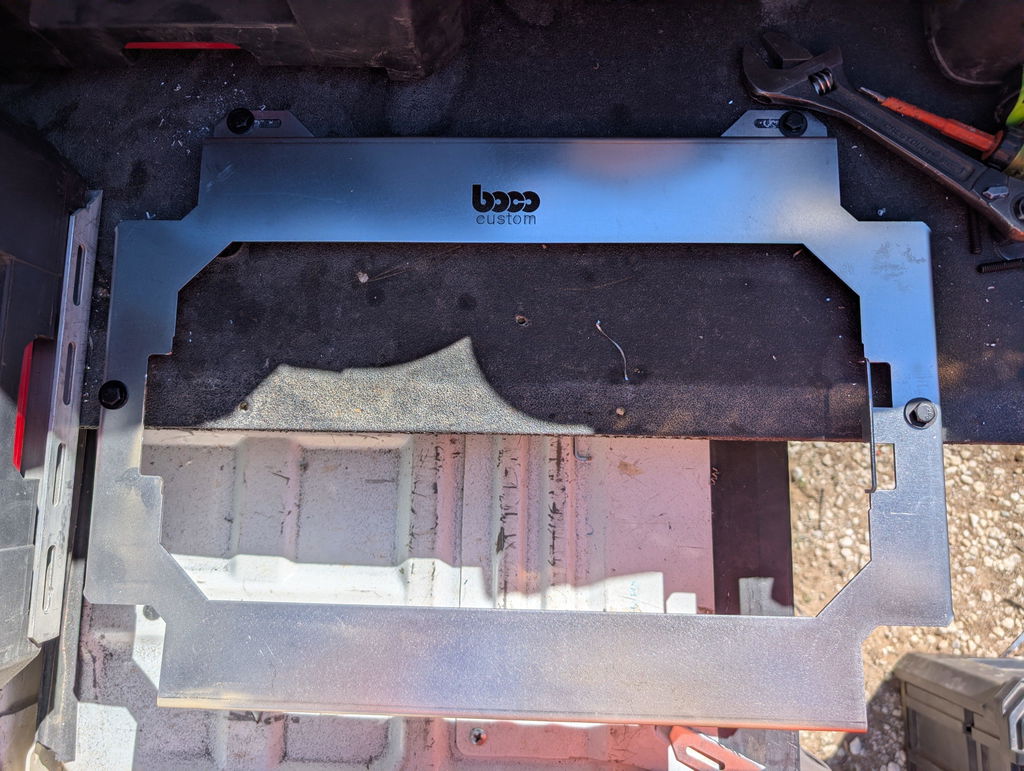
I like these, they are much more compact than what Milwaukee offers. I had them powder coated in silver vain and they look awesome. I love the bonus half rack they sent me. That’s the mark of a nice company.


Leave a comment