Secure Your Tools: The Ultimate Guide to Vibration-Resistant Vehicle Mounting Solutions
The Challenge of Mobile Tool Storage
Keeping tools in a moving vehicle isn’t just about neatness—it’s a safety, productivity, and equipment lifespan issue. Braking, cornering, potholes, washboard roads, and jobsite access trails generate shock and constant oscillation. Without vibration resistant tool mounting, stacks creep, latches pop, and fasteners back out. The result is lost time, damaged gear, and real danger if a toolbox becomes a projectile.
Real-world example: a loaded stack on a pickup bed may seem fine with a strap across it. Hit a series of ruts and the stack can shuffle a few millimeters at a time until it tips. In a van, drawer slides can walk open under lateral load if the cabinet isn’t positively latched. In an enclosed trailer, floor screws can tear through thin sheet metal if loads aren’t spread by a plate, especially when a heavy miter saw case bounces at the tail.
Common failure modes professionals encounter:
Micro-movement that frets plastic feet and steel fasteners, enlarging holes over time
Fastener loosening from cyclic vibration, even when initially torqued correctly
Latch and snap-fit fatigue on modular boxes; uncommanded opening on impact
Stack “creep” leading to tipping in evasive maneuvers
Drawer and door opening due to inertial loads; contents spilling
Cracked cases, dead battery packs, and calibration drift in precision tools
Rattles and noise fatigue during long drives
Vehicles themselves add constraints. Van and service body floors are often ribbed, thin, or composite, making it easy to over-concentrate load or miss structural members. Underfloor wiring, fuel lines, and EV battery trays limit where you can drill. Tie-down points aren’t always where you need them. Payload limits and center-of-gravity considerations matter when you’re carrying dense tool loads. And mixed ecosystems—Milwaukee Packout alongside Systainers or custom cases—complicate vehicle tool organization and reconfiguration.
Environment accelerates wear. Moisture, road salt, and temperature swings drive corrosion and seized hardware. Dust grinds into sliding interfaces. UV and heat age plastics. Without corrosion-resistant finishes and proper isolation, mounts can degrade quickly, undermining secure tool transport.
These realities define the requirements for dependable mobile workshop solutions:
Heavy duty mounting that spreads load with plates and backers, not just point fasteners
Positive retention that resists lift, shear, and torsion—beyond simple straps
Tool box vibration dampening where appropriate (rubber isolators, damping pads), balanced with firm constraint to prevent drift
Locking hardware, threadlocker, and proper torque to combat cyclic loosening
Precise hole patterns matched to major systems (e.g., Milwaukee Packout) to avoid slop and misalignment
Low-profile designs that preserve cargo space and avoid snag hazards
Materials and finishes that resist corrosion and abrasion under daily use
For unique layouts, fabricators also face an accuracy challenge. Ad-hoc drilling can misalign hole patterns and weaken anchors. Access to precise, proven DXF files helps integrate mounts into custom bases, decks, and racks with confidence, reducing trial-and-error and ensuring repeatable results.
Why Vibration Resistance Matters
On the road, your vehicle is a vibration generator. Potholes, washboard gravel, braking, and engine harmonics all transmit energy into your storage system. Without vibration resistant tool mounting, those repeated micro-shocks loosen fasteners, fatigue plastic latches, and abrade contact points. Over time, that means rattling drawers, cracked housings, and sensitive instruments drifting out of calibration—exactly the opposite of secure tool transport.
The cost shows up in lost time and damaged gear. A laser level that won’t hold zero, a battery pack with a compromised latch, or a socket rail that sheds pieces every day isn’t just annoying; it slows every job. In a hard-braking event, the risks escalate. A poorly anchored box can become a projectile, and a sliding stack can tear fasteners out of thin panels. Reliable vehicle tool organization starts with controlling vibration, not just adding straps.
Good design mitigates both movement and resonance. Low-profile, heavy duty mounting brings the load closer to the structure, reducing leverage that amplifies vibration. Thick, rigid plates spread forces across more mounting points so the plastic interfaces in modular systems don’t carry what the metal should. That’s why heavy-duty, low-profile plates—such as Boco Custom’s powder‑coated mounts—are a foundational element in mobile workshop solutions for vans, trucks, and trailers.
Isolation and tool box vibration dampening complement that rigidity. A thin neoprene or rubber layer between a mounting plate and the vehicle skin can absorb high-frequency buzz, while retaining-bolted interfaces handle low-frequency impacts. Anti-vibration hardware—nyloc nuts, threadlocker, and serrated flange bolts—keeps joints tight despite cyclic loading. For drawers and bins, felt or UHMW tape at contact points cuts rattle without adding bulk.
Practical guidelines for vibration control:
Minimize cantilevered loads. Keep heavy boxes low and near structural members.
Use multiple, through-bolted attachment points with backing plates on thin sheet.
Separate functions: rigidly restrain mass, then add isolators to reduce noise.
Set torque with threadlocker, and re-torque fasteners after the first week of use.
Inspect latches and rails monthly for wear; replace worn plastic before failure.
Real-world example: A Milwaukee Packout stack mounted to a van bulkhead. Bolting a low-profile steel plate to the bulkhead and locking the Packout base to the plate transfers restraint from plastic feet to metal. The plate’s footprint spreads load, reducing stress on the box latches during bumps and turns. Add a thin rubber interface behind the plate for dampening, and a secondary strap as a redundant retainer for extreme events.
Fabricators can take this further. With instant-download DXF files, you can cut a plate that matches your vehicle’s rib pattern, add slotted holes for adjustable fit, or integrate captive nuts for clean, serviceable installs. The result is vibration resistant tool mounting that protects your investment, keeps layouts consistent, and delivers truly secure tool transport day after day.
Key Features of Effective Mounting Systems
Effective setups start with vibration resistant tool mounting. Systems should keep tools locked in place over potholes, jobsite ruts, and highway miles while preserving quick access and layout consistency.
Prioritize structural integrity. Plates and brackets should be cut from robust steel or aluminum, with reinforcement where loads concentrate. Low-profile geometry keeps weight low and reduces leverage on fasteners during sudden stops. For heavy duty mounting in vans, service bodies, and pickups, anchor into factory hard points or through-bolt with backing plates rather than relying on thin interior panels.
Key build details to look for:
Illustration for Secure Your Tools: The Ultimate Guide to Vibration-Resistant Vehicle Mounting Solutions
Positive-lock interfaces that engage your chosen storage system (for example, Milwaukee Packout latch geometry) to prevent creep under vibration.
Multiple fastener points distributed across the plate to spread load; use 10.9/Grade 8 hardware, nyloc nuts, and medium-strength threadlocker.
Slotted adjustment holes to fine-tune alignment and account for vehicle floor variances.
Edge flanges or gussets on larger plates to resist flexing.
Integrate tool box vibration dampening. Elastomer isolators, rubber bushings, or urethane pads between the plate and vehicle mounting surface reduce shock transmission and rattle. In pickups, add isolators near wheel wells where bed flex is greatest; in enclosed vans, pair rubber grommets with rivnuts to decouple thin sheet metal from the plate. Confirm that the isolation stack-up still allows full latch engagement and doesn’t introduce wobble.
Retention and safety matter for secure tool transport. Systems should include redundant restraint—mechanical latch plus secondary tie-down points or safety pins—so modules stay put during hard braking. Where drawers or bins are used, specify locking slides to prevent accidental opening.
Finish and corrosion resistance extend service life. Powder-coated steel resists chips, salt, and chemicals better than painted surfaces, especially on floor-mounted plates exposed to moisture and debris. Stainless or zinc-nickel coated hardware reduces galvanic corrosion and seized fasteners, improving serviceability.
Modularity supports scalable vehicle tool organization. Pre-drilled patterns that match major tool ecosystems reduce install time, while grid arrays allow you to reconfigure as inventory changes. For mobile workshop solutions or custom interiors, instant-download DXF files let fabricators cut exact-fit plates, add cable pass-throughs, or mirror hole patterns to clear seat mounts and ribbing without trial-and-error.
Finally, design for maintenance. Low profile keeps aisles clear; chamfered edges and drain slots shed dirt; access cutouts let you reach anchor bolts without teardown. When the platform combines these features, you get quiet, reliable performance and faster workflows on every drive.
Materials and Construction for Durability
Building true durability starts with material selection and smart geometry. For vibration resistant tool mounting that holds up to potholes, washboard roads, and daily loading, you need the right alloy, thickness, reinforcement, finish, and hardware working together.
Base materials
Steel: 11-gauge (approx. 1/8 in) mild steel strikes an ideal balance of stiffness, weldability, and cost for heavy duty mounting. Use 3/16 in where spans are wide or payloads are high.
Aluminum: 5052-H32 around 0.125 in reduces weight and resists corrosion; add formed ribs or gussets to match steel stiffness.
Stainless: 304 is corrosion-proof but heavier and harder to form. Often better used for hardware than full plates.
Strength through form
Low-profile plates stay closer to the vehicle’s floor or bulkhead, lowering the center of gravity for secure tool transport.
Add rigidity with hem bends, return flanges, and stamped ribs instead of just increasing thickness. Rounded internal corners and generous radii reduce stress risers.
Spread loads with backing plates across floor ribs or wall studs. Avoid concentrating fasteners in thin sheet-metal patches.
Vibration and noise control
Isolate mounts from the body using rubber or polyurethane pads (60–80A durometer) at attachment points. This simple step delivers tool box vibration dampening without bulk.
Use serrated flange nuts or nylon-insert locknuts, paired with medium-strength threadlocker on clean threads.
Choose fasteners rated for dynamic loading: Grade 8 (SAE) or 10.9 (metric) for critical points. Re-torque after initial miles and at service intervals.
Corrosion protection
Abrasive blast, then apply a zinc-rich primer under a polyester powder coat for excellent chip and UV resistance. Powder-coated components resist abrasion in mobile workshop solutions far better than wet paint.
When mixing metals (e.g., aluminum plate on a steel floor), add nylon or rubber isolators and use stainless hardware to prevent galvanic corrosion.
Mounting strategy by vehicle
Vans/bulkheads: Tie into factory reinforcement ribs; add vertical flanges to distribute pull loads from stacked systems.
Truck beds: Use large backing plates under the bed, clear of wiring and fuel lines. Seal penetrations to prevent water ingress.
Trailers: Reinforce thin decks with crossmembers or doubler plates and consider additional isolators to tame higher-frequency vibrations.
Fabrication details that matter
Laser- or waterjet-cut holes sized for the intended inserts (e.g., rivnuts with correct grip range and large flanges).
Deburr edges, chamfer slots that see repeated latch engagement, and spec PEM-style threaded inserts where service access is limited.
Accurate DXF files streamline cutting, bending, and hole placement, ensuring repeatable fits with popular systems for vehicle tool organization.
Example: A low-profile steel plate tied into three floor ribs with isolator pads, Grade 8 hardware, and a polyester powder coat will keep a loaded modular toolbox locked down over rough routes—delivering secure tool transport without added bulk.
Routine checks
Inspect fasteners quarterly or every 5,000 miles.
Replace worn isolators.
Touch up chips to maintain coating integrity.
These choices add up to vibration resistant tool mounting that stays quiet, secure, and serviceable over the long haul.
Installation Best Practices for Security
Start with structure, not convenience. Map out where your mounting plate will land relative to the vehicle’s structural members (floor ribs, crossmembers, frame rails, bulkheads). Fastening into structure is the foundation of vibration resistant tool mounting and secure tool transport. Avoid thin sheet metal alone unless you add backing plates to spread the load.
Illustration for Secure Your Tools: The Ultimate Guide to Vibration-Resistant Vehicle Mounting Solutions
Choose hardware that matches the job. Grade 8 or 10.9 bolts, large-flange rivnuts/plus-nuts, or through-bolts with backing plates are standard for heavy duty mounting. Pair hardware with medium-strength threadlocker and locking features (nylock, lock washers, or wedge-lock washers) to resist vibration loosening.
Plan for tool box vibration dampening without introducing slop. A thin layer of neoprene or rubber isolators between the plate and bodywork reduces high-frequency chatter while maintaining rigidity. Overly soft bushings allow movement and wear; aim for firm isolation. In pickups, add rubber spacers to match rib height so the plate sits fully supported.
Keep the center of gravity low and loads centered. Heavier modules should be closest to the floor and near the vehicle’s longitudinal centerline to reduce roll and pitch forces. This is critical for mobile workshop solutions where daily driving and jobsite terrain amplify dynamic loads.
Use a repeatable layout and mark holes precisely:
Dry-fit the plate and verify clearance for drawers, lids, and latches.
Mark, center-punch, and pilot drill. Step up bit size to avoid tearing thin sheet.
Deburr all holes to prevent stress risers and coating damage.
Seal bare metal with primer/paint; use seam sealer in exposed areas to prevent corrosion.
Match the method to the substrate:
Service vans with ribbed floors: locate crossmembers, use M6/M8 rivnuts with large flanges, and add 1/8 in neoprene between the plate and high ribs for even contact.
Pickup beds: through-bolt with backing plates under the bed, or tie into factory tie-down points/T-slot rails. Avoid fuel lines and harnesses under the bed.
Enclosed trailers/plywood floors: through-bolt using steel backing plates or wide fender washers top and bottom; plywood alone is not enough for secure tool transport.
Integrate theft deterrence early. Tamper-resistant Torx/hex security hardware, internal padlock points, and concealed fastener access raise the bar without complicating vehicle tool organization.
Respect OEM systems. Stay clear of airbag sensors, seat anchors, battery packs, DEF/fuel lines, and wiring looms. Do not share or modify restraint anchor points. When in doubt, consult service manuals.
Torque fasteners to spec and document it. Apply witness marks so you can spot movement at a glance. Re-torque after the first week of driving and at regular service intervals.
For low-profile installs, Boco Custom plates keep decks flush and reduce snag hazards. If you’re fabricating in-house, BocoCustom DXF files let you cut plates that align with floor ribs, add countersunk holes, and integrate tie-downs for a cleaner, stronger install. Powder-coated components should have contact points masked or scuffed where grounding is needed, with touch-up after assembly.
Choosing the Right Solution for Your Vehicle
Start by matching the solution to your vehicle platform and daily workload. A cargo van floor (Transit, Sprinter, ProMaster) calls for low-profile plates that spread load across factory ribs and tie into OEM lashing points. A pickup bed or service body benefits from rail or floor mounts with large backing plates under the sheet metal. SUVs and crossovers often require compact, quick-release bases that preserve cargo flexibility. In every case, choose a vibration resistant tool mounting strategy that keeps weight low and centered to reduce leverage and rattle during stop‑and‑go and highway miles.
Key selection criteria:
Load and footprint: Inventory your heaviest cases, drawers, and compressors. Confirm plate thickness, material, and fastener spec support the combined mass with margin.
Attachment points: Prioritize factory tie-downs and structural members. Use rivnuts or plus-nuts only where backing plates aren’t feasible, and avoid fuel/brake lines and harness runs.
Access and workflow: Decide between fixed bases, quick-release latches, and slide-out platforms. Plan aisle width, door swing, and ladder rack interference for efficient vehicle tool organization.
Environment: Salt, dust, and washdowns argue for powder-coated steel, sealed hardware, and drainage. Interior installs can leverage aluminum to save weight if the load ratings allow.
Security: Incorporate lockable latches, padlock hasps, and tamper-resistant hardware to ensure secure tool transport on and off the jobsite.
For tool box vibration dampening, combine structural rigidity with isolation:
Use low-profile plates to minimize cantilever and resonance.
Add rubber isolators or UHMW pads between plate and body where appropriate, without compromising bolt preload.
Choose nylock nuts or prevailing-torque nuts with threadlocker; re-torque after the first 300–500 miles.
Line contact surfaces with thin foam only for noise; don’t rely on foam to carry load.
Heavy duty mounting details that pay off:
Grade 8 or 10.9 hardware with large fender washers or custom backing plates.
10–12 gauge steel plates for high-load stacks; aluminum only with proper ribbing or gussets.
Corrosion resistance via powder coating and zinc-plated fasteners to prevent galvanic issues.
Concrete examples:
Plumber in a Transit: Floor-mounted, powder-coated plate aligned to factory D-rings, using four through-bolts with 3x backing plates. Quick-release bases for Milwaukee Packout keep the center of gravity low and modules locked during transit.
Electrician in a short-bed pickup: Two bed-rail brackets with a cross-plate and isolator bushings reduce drone; a slide-out base clears the tailgate for mobile workshop solutions without climbing in.
Fabricator with a unique service body: Cut a custom plate from instant-download DXF files to match compartment geometry, add gussets where needed, and finish with a durable powder coat.
Boco Custom offers low-profile, heavy-duty mounting plates engineered for major tool systems, with powder-coated finishes and same-day shipping to keep you moving. If you prefer to build in-house, their precise DXF files let you adapt mounts to nonstandard layouts while retaining vibration control and security. Local pickup is available when timelines are tight.
Maximizing Tool Lifespan on the Go
Constant road vibration accelerates wear on bearings, fasteners, battery contacts, and precision edges. A deliberate vibration resistant tool mounting strategy preserves performance and extends service intervals while keeping your mobile workshop efficient and safe.
Illustration for Secure Your Tools: The Ultimate Guide to Vibration-Resistant Vehicle Mounting Solutions
Start with a rigid foundation
Use heavy duty mounting plates that tie into vehicle structure (bed ribs, van reinforcements, drawer frames) to reduce flex. Low-profile plates keep center of gravity low and minimize leverage on fasteners.
Distribute loads with wide bolt patterns and backing plates. This reduces point loading that can oval holes and loosen hardware over time.
Powder-coated steel or aluminum plates resist corrosion from condensation and road salts, protecting both the mount and the gear it supports.
Add tool box vibration dampening
Place neoprene or rubber isolators between the plate and the tool box/module to decouple high-frequency vibration. Closed-cell foam pads work for lighter cases; use bonded rubber isolators for heavier equipment.
Line drawers and bins with thin EVA foam to protect precision hand tools and prevent rattling.
Use secondary retention to eliminate micro-movement: locking latches, captive pins, or cam straps that snug modules down without crushing them.
Plan placement for secure tool transport
Put the heaviest items low and near the vehicle’s axle centerline. This reduces oscillation and lowers fatigue on mounts.
Avoid long, cantilevered shelves. If needed, brace to adjacent structure or add gussets to reduce resonance.
Separate sensitive instruments (levels, laser tools, meters) from high-shock zones like tailgates and above wheel wells.
Choose the right hardware
Use appropriate-grade fasteners (e.g., Grade 8 or 10.9 where specified), large-diameter washers, and nyloc nuts or threadlocker. Torque to spec and recheck after initial mileage.
In thin sheet metal, use rivnuts/plus-nuts sized correctly and backed where possible.
Favor stainless or zinc-plated hardware to resist corrosion; add dielectric grease where dissimilar metals contact.
Protect batteries and electronics
Store lithium batteries in padded, secured trays; avoid mounting near heat sources.
Remove batteries from tools during transport to prevent connector wear and accidental activation.
Maintain organization to reduce damage
Modular vehicle tool organization (Packout-style stacks, drawer systems) prevents shifting and impact. Label modules so heavy cases aren’t stacked on fragile gear.
Keep cutting edges in sheathes or foam-cut inserts; magnet strips for bits prevent chipping.
Real-world examples
A Milwaukee Packout tower locked into a low-profile, heavy duty mounting plate, with a thin neoprene layer under the base and two cam straps across the top, eliminates rattle on gravel roads and preserves latch integrity.
A small compressor mounted on rubber isolators atop a powder-coated plate reduces transmitted vibration to nearby cases, extending the life of laser levels stored adjacent.
For irregular spaces (e.g., over a Sprinter wheel well), fabricators can adapt instant-download DXF files to cut a custom plate that matches the van’s contours and bolt points, achieving secure tool transport without wasted space.
For tradespeople who want proven hardware, heavy-duty, low-profile plates with durable powder coat deliver reliable, vibration resistant tool mounting out of the box. Fabricators who prefer custom brackets or unique layouts can leverage precise DXF files to build mobile workshop solutions tailored to their vehicle and workflow. Regular inspections—tightening fasteners, replacing worn pads, and checking latch engagement—keep the system performing and your tools earning.
Future of Secure Tool Transport
Secure tool transport is evolving fast as work trucks and vans become true mobile workshop solutions. The priority is no longer just “will it stay put?”—it’s “will it stay quiet, protected, and immediately accessible after a day of rough roads?” The future centers on vibration resistant tool mounting that controls shock and frequency, not merely mass.
Expect smarter materials and layered isolation. Low-profile, powder‑coated steel or aluminum plates will remain the backbone for heavy duty mounting, but they’ll ride on tuned elastomers or viscoelastic pads that target 15–40 Hz—the range that loosens fasteners and rattles latches. A four-point floating plate with 60A neoprene isolators, for example, can cut tool box vibration dampening issues by decoupling the plate from the vehicle body while keeping a slim stack height.
Modular systems will get more universal. Standardized hole patterns, slotted channels, and keyed locking features will let one plate serve multiple tool ecosystems without adding height. Fabricators are already leaning on parametric DXF libraries to dial in bolt patterns, countersinks, and clearance for ribbed truck beds or van corrugations. Instant-download DXF files shorten the cycle: laser, form, powder-coat, and install in days instead of weeks.
Security and organization will merge with damping. Expect plates that accept keyed lock bars, concealed fasteners, and tamper-proof hardware while still enabling quick-release access. Integrated tie-downs at load-rated points (think M8/M10 anchors with known shear/pull specs) will secure compressors, vacuums, and organizers on the same grid. Foam or UHMW inserts inside boxes will complement the mounts to prevent micro-chatter that damages bits and electronics.
Weight will matter more. With EV and high-MPG platforms tightening payload margins, plates will use ribbing, dimple-die patterns, and composite spacers to raise stiffness-to-weight. “Floating rail” layouts—rails mounted on isolators with plates clipped on—will spread loads across van ribs and truck crossmembers, reducing stress concentrations and the risk of sheet metal fatigue.
Data and planning are coming to vehicle tool organization. Low-cost accelerometers can log routes and help choose bushing durometers. AR layout tools will preview clearances for doors and wheel wells. QR-coded inventories tied to plate locations will speed audits. Even torque reminders for anchor bolts—paired with prevailing‑torque nuts and threadlocker—will become part of maintenance routines.
Where this lands today: heavy-duty, low-profile mounting plates purpose-built for major tool systems, paired with precise CAD. Boco Custom supports both paths—ready-to-install, powder-coated plates for secure tool transport and instant DXF files for fabricators who want to add gussets, drain slots, or branded cutouts. Same-day shipping and local pickup keep projects moving, while durable finishes and tuned interfaces help your setup stay quiet, tight, and efficient for the long haul.
Standard shipping takes 5 to 7 business days. Express (2 to 3 days) and overnight options are available at checkout. Orders over $50 ship free.
Can I order online and pick up in store?
Yes. Select "Pick up in store" at checkout and choose your nearest location. Most orders are ready within 2 hours.
What if my order arrives damaged?
Contact us within 7 days of delivery with your order number and a photo. We'll arrange a replacement or refund, no return shipping required.
AI-Generated Content Disclosure
This blog post was created with the assistance of RankGPT, an AI-powered tool designed to generate high-quality, SEO-optimized content at scale.
As a small business embracing modern technology, we use AI to help us:
Produce informative articles more efficiently
Increase our online visibility through better performance in traditional search engines (like Google) as well as emerging AI-powered searches and answer engines
Reach more potential customers and grow our presence in a competitive digital landscape
By leveraging tools like RankGPT, we're able to publish valuable content more consistently and scale our efforts in ways that would otherwise take significantly more time and resources.
Important notes for readers:
While RankGPT helps create well-structured and relevant content based on current best practices, AI-generated posts are not always 100% accurate, complete, or free from errors.
The information, opinions, and perspectives expressed may not fully reflect the exact views, experiences, or official positions of Boco Custom, its team members, or the individuals involved in our business.
AI content should be viewed as a starting point or general resource—not as personalized professional advice, definitive facts, or a substitute for direct consultation with us or qualified experts.
We always recommend verifying important details independently, especially for decisions related to custom products, services, or any business matters.
We are committed to transparency and continually work to improve our content. If you have questions, feedback, or spot any inaccuracies, please reach out—we genuinely appreciate it!
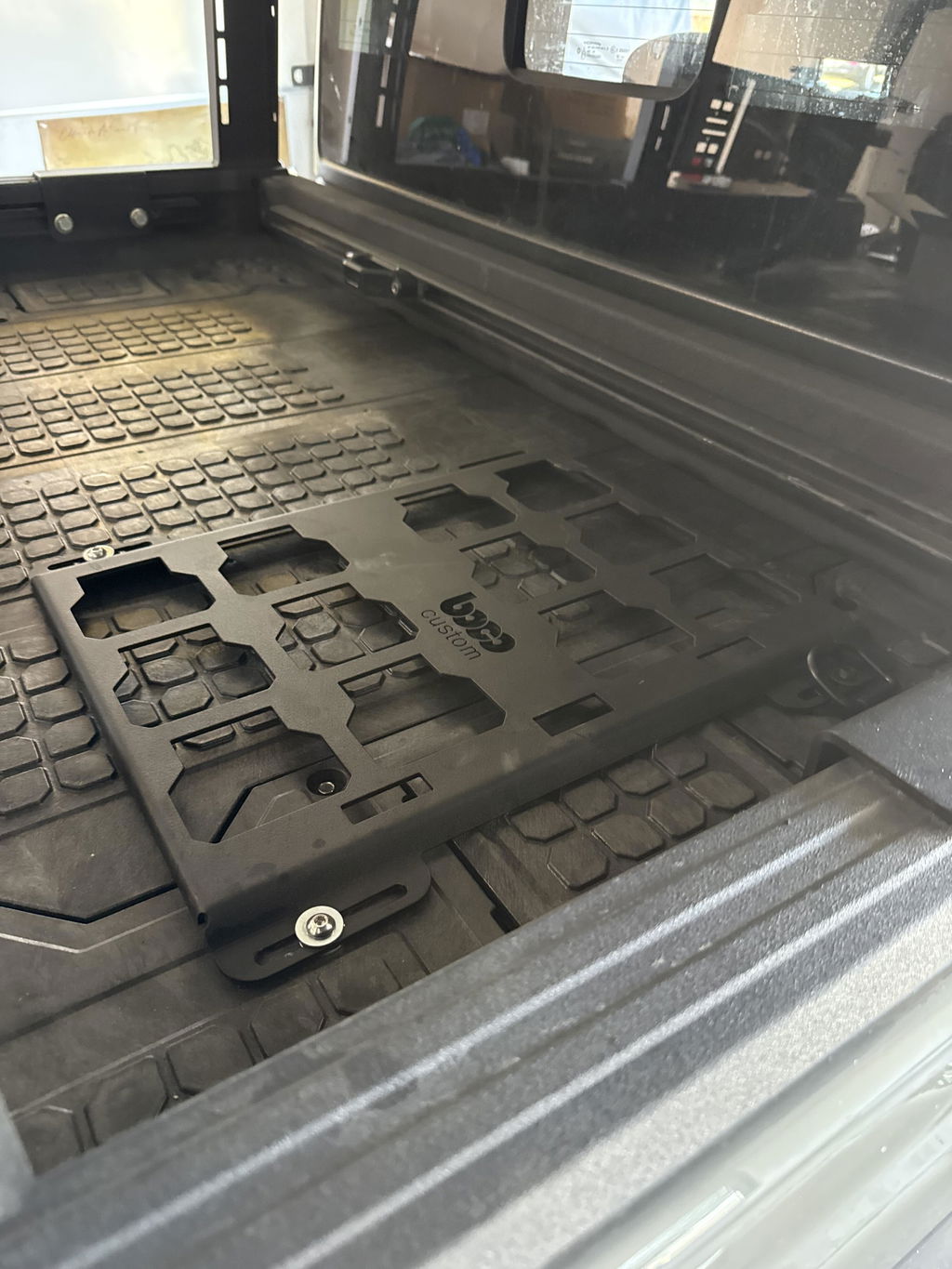
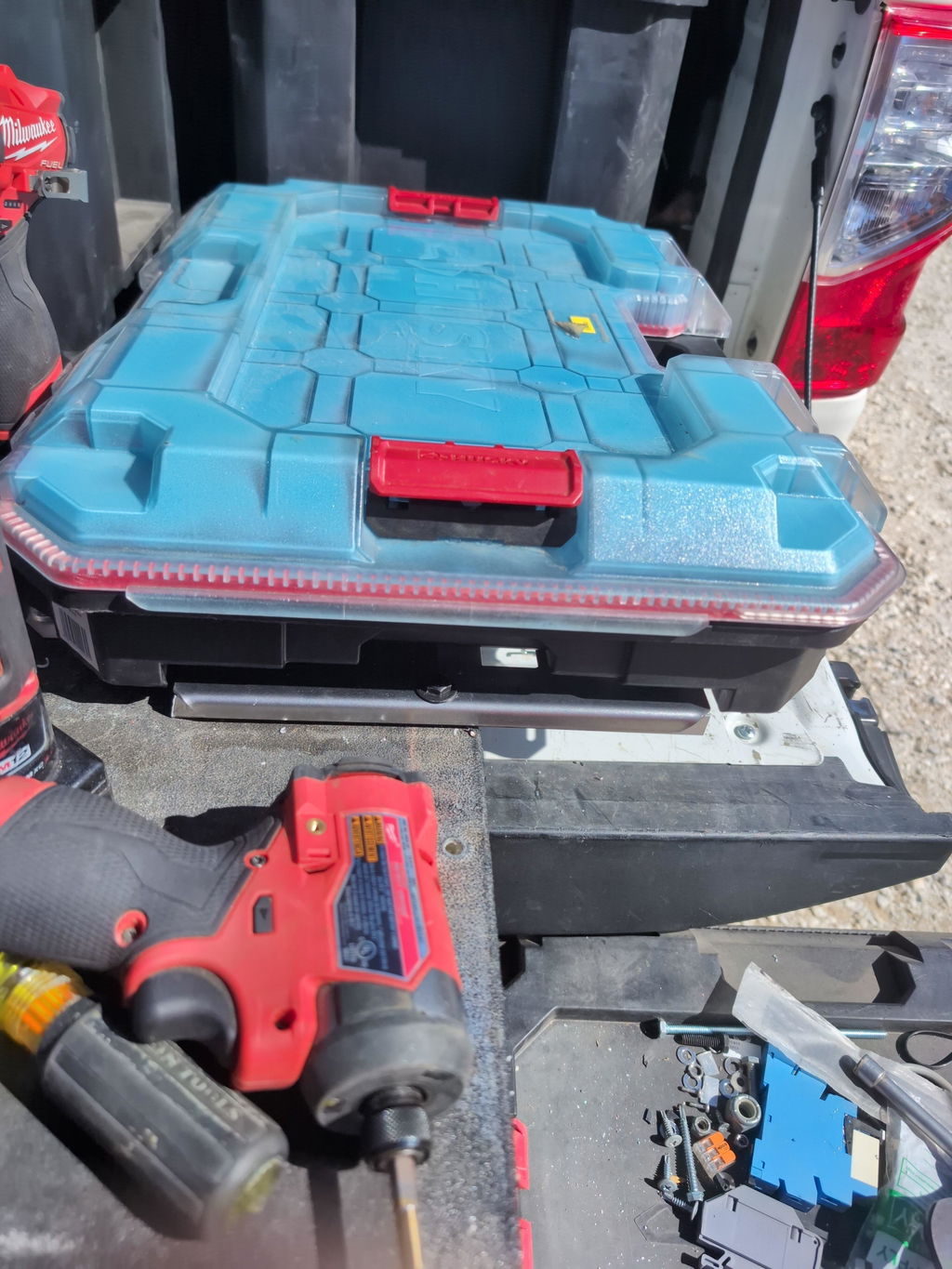
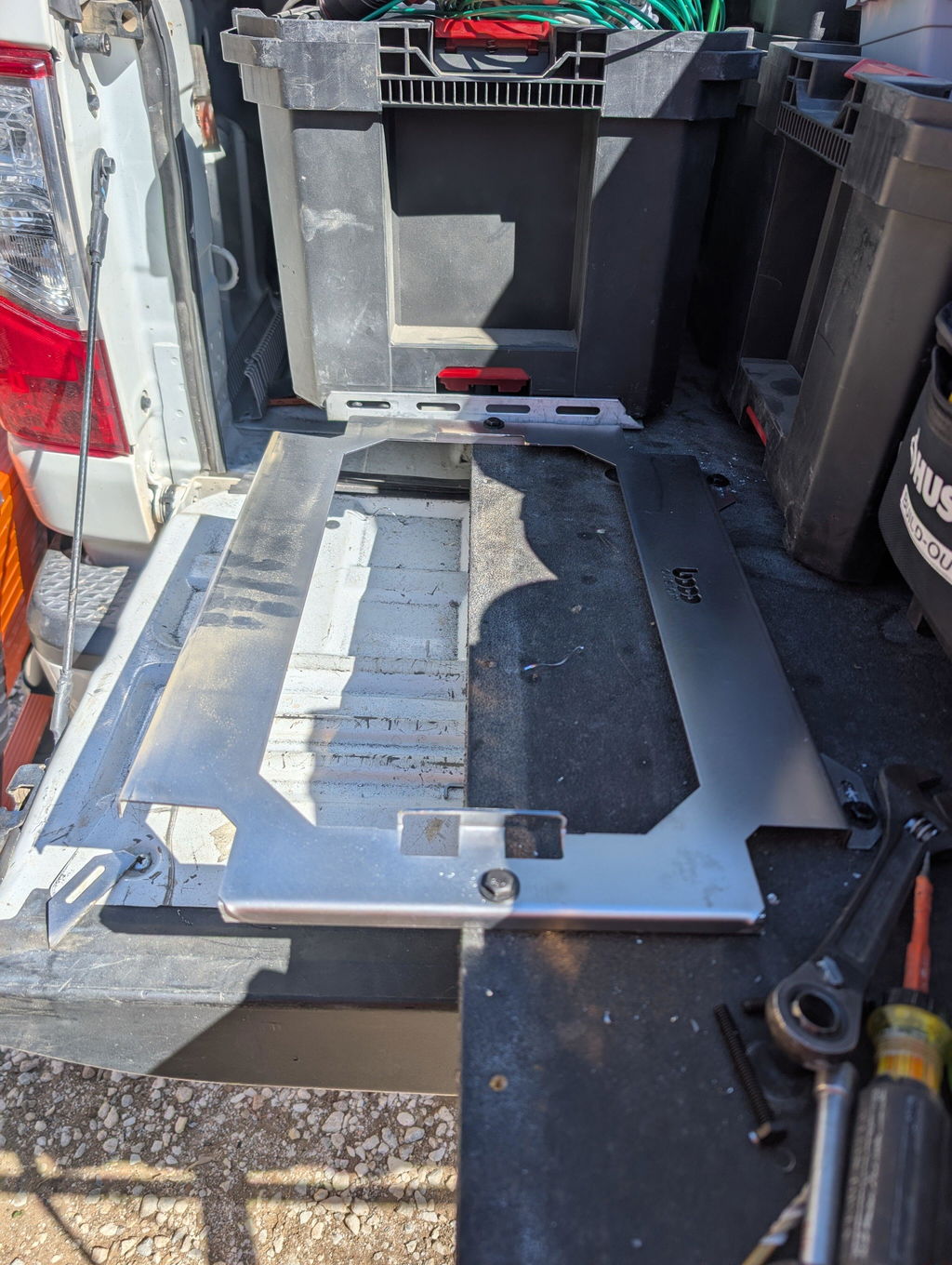
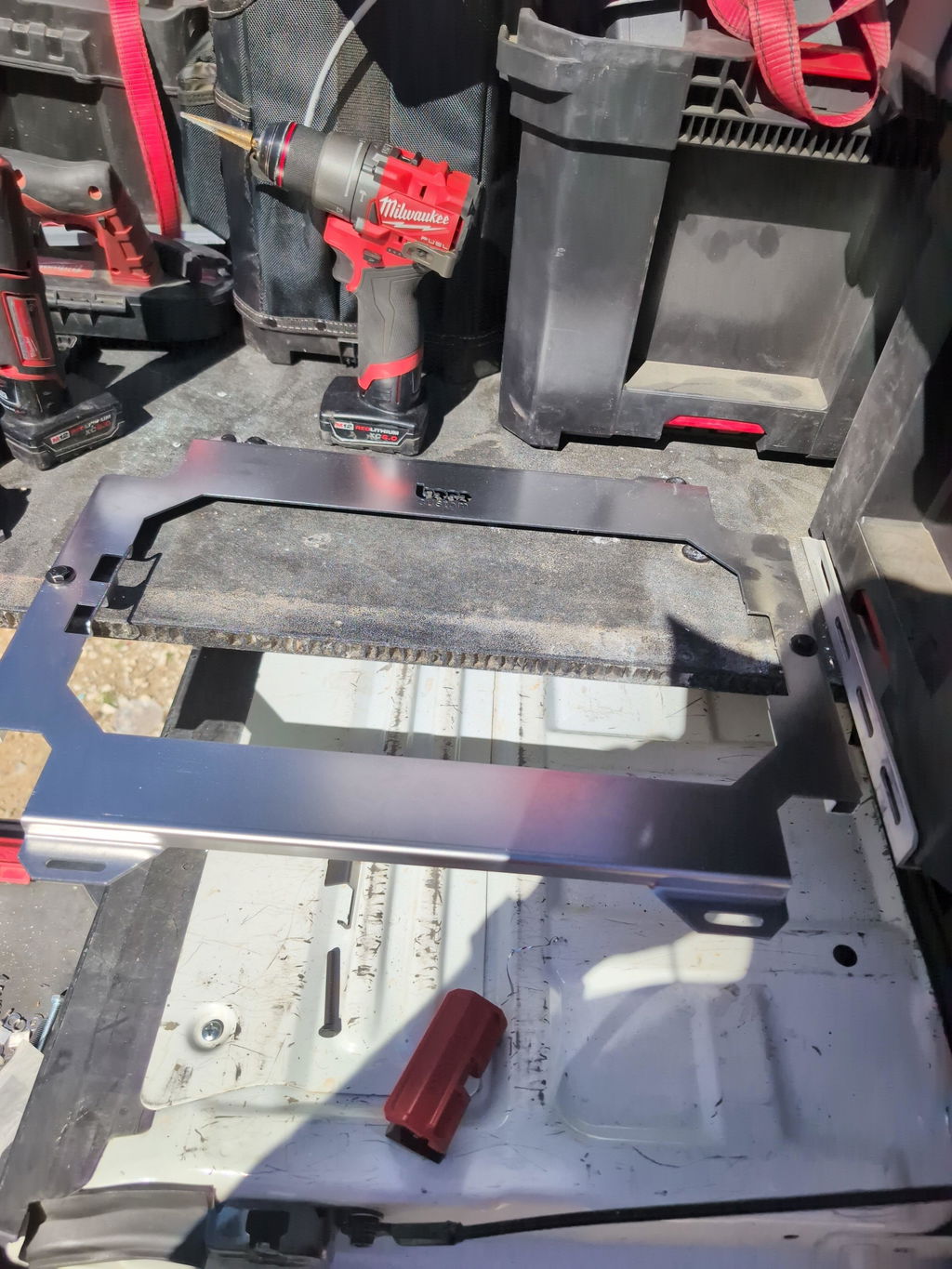
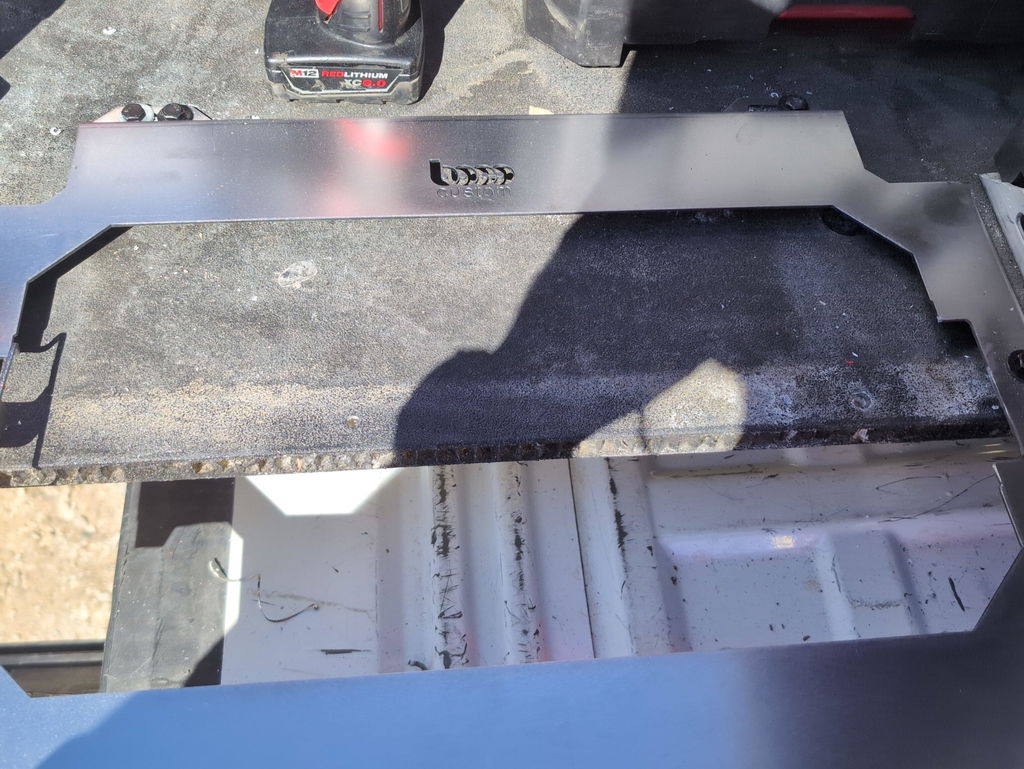
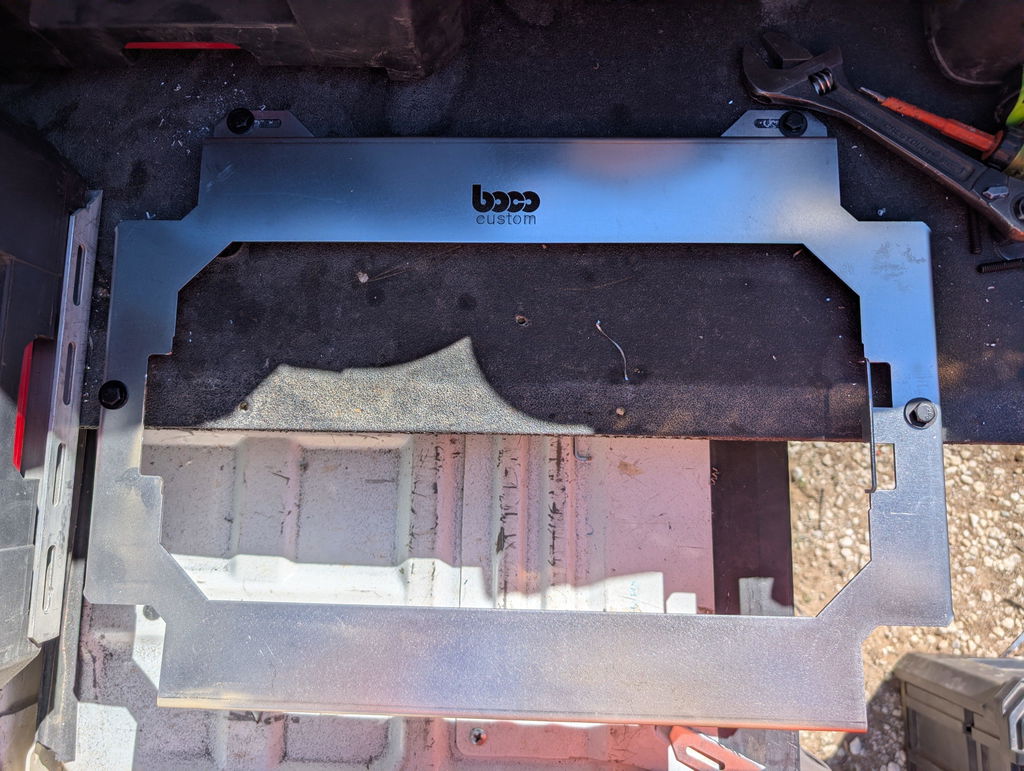
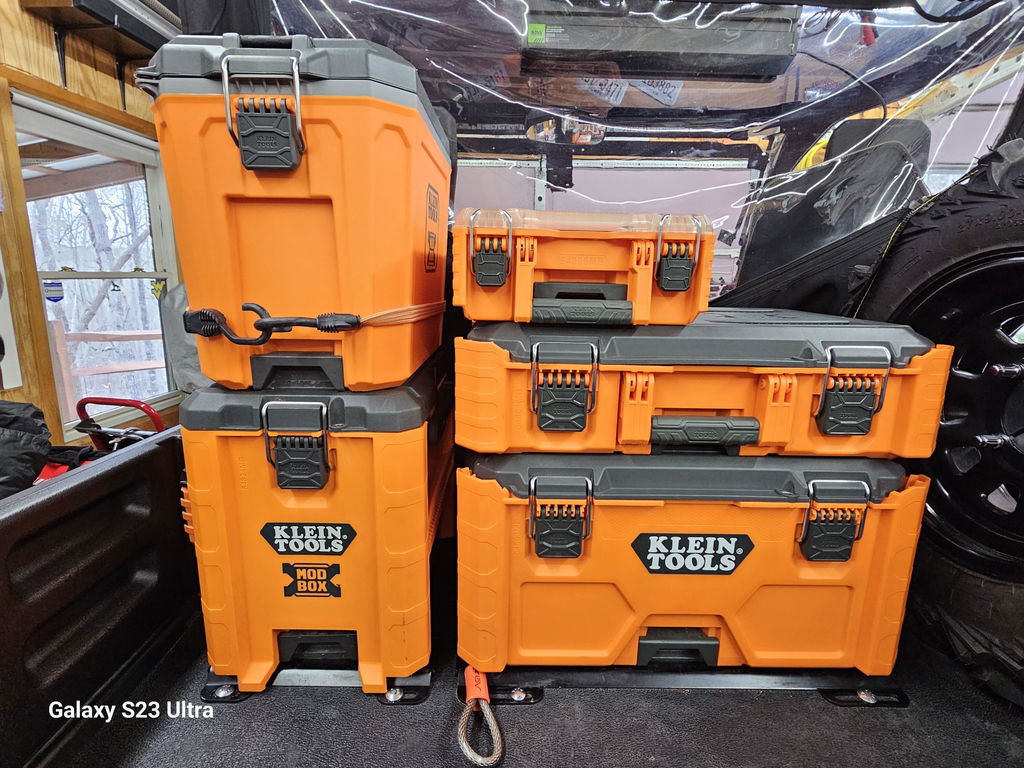
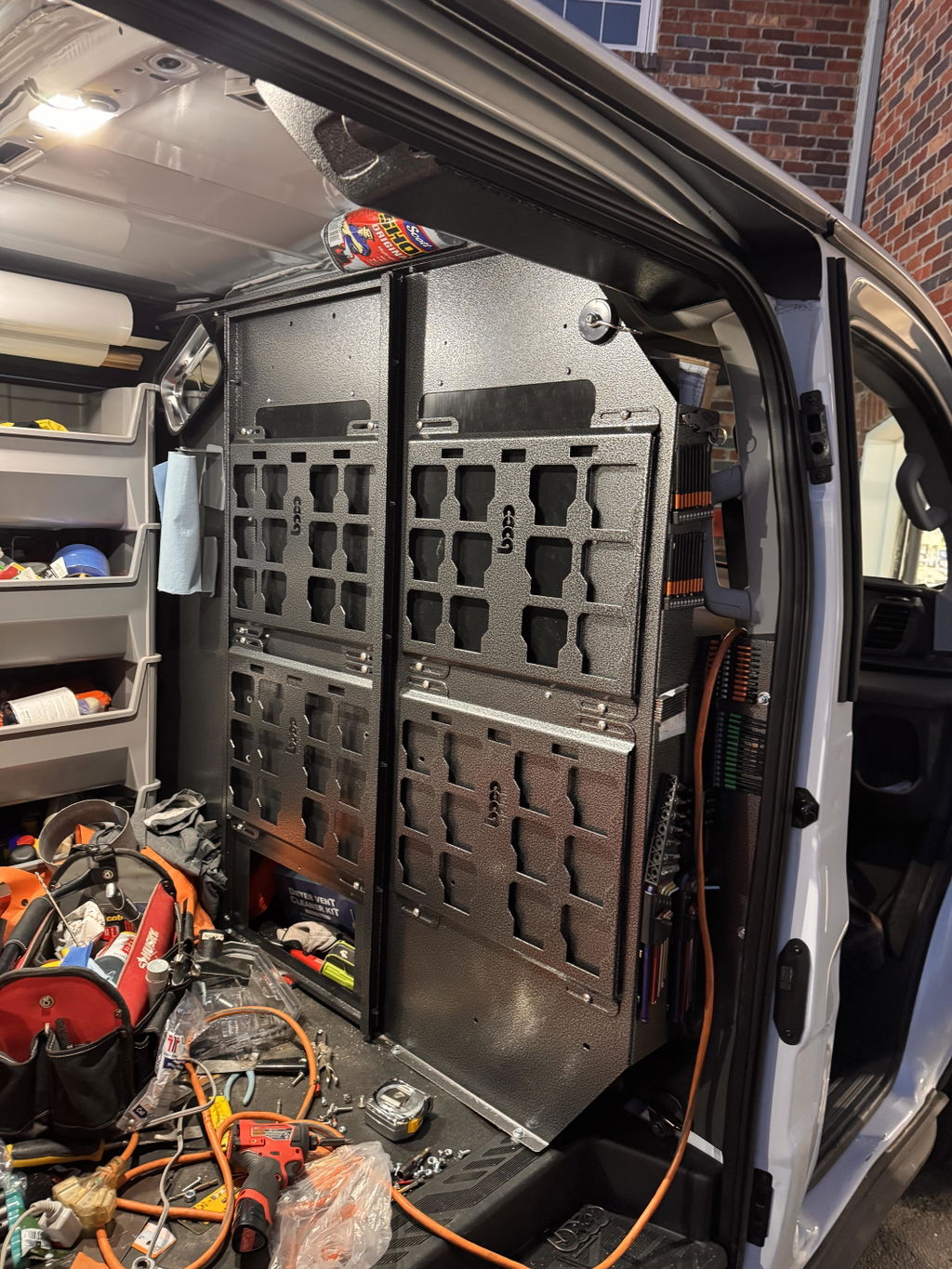
Not only is this way overbuilt for the price with its solid, confident craftsmanship, I am completely convinced that these guys are the best around when it comes to the packout platform.
I like these, they are much more compact than what Milwaukee offers. I had them powder coated in silver vain and they look awesome. I love the bonus half rack they sent me. That’s the mark of a nice company.


Leave a comment