Smart Power Solutions: Maximizing Battery Life in Your Professional Tool Storage
Challenges of Tool Battery Management
Managing batteries across multiple cordless platforms is harder than it looks. Different voltages, brand-specific chargers, and jobsite conditions create real risks to runtime, safety, and pack longevity. An integrated tool battery management approach helps standardize how batteries are stored, charged, and transported—reducing downtime and extending tool battery life.
Common challenges professionals face:
Mixed ecosystems: Running Milwaukee M12/M18 alongside DeWalt 20V or Makita LXT quickly multiplies chargers and cords. Without standard mounting and cable routing, chargers get buried, airflow is blocked, and indicators are hard to see.
Heat and cold: Lithium-ion packs degrade rapidly above 95°F and deliver reduced output below 32°F. Vans and trailers become heat sinks in summer and iceboxes in winter, accelerating capacity loss if cordless tool battery storage isn’t insulated or ventilated.
Charging logistics: Many chargers require clean sine-wave AC and steady amperage. Under-sized inverters, thin-gauge wiring, or overloaded power strips cause slow charging, nuisance faults, and premature charger failure.
Vibration and impact: Daily transport shakes loose poorly mounted chargers and can crack battery housings. Rigid mounts without damping transmit shocks directly to packs and electronics.
Debris and moisture: Metal filings, drywall dust, and humidity accumulate on open shelves, increasing the chance of shorting contacts or corroding terminals.
Inventory control: Unlabeled packs rotate inconsistently, so the same batteries get over-cycled. Crews waste time hunting for charged units, and weak packs slip into service unnoticed.
Safety and compliance: Damaged cells can enter thermal runaway. Stacking packs tightly, covering vents, or leaving terminals exposed raises the stakes inside enclosed vehicles.
Practical steps for tool battery optimization within efficient power tool storage:
Use dedicated, low-profile mounting for each charger with clear LED visibility and 1–2 inches of airflow clearance.
Power vehicle-based chargers with a pure sine inverter sized for simultaneous loads (e.g., 600–1000W), fused near the source, using 8–12 AWG per run length.
Route cables through grommeted pass-throughs; strain-relieve with clips to prevent loose cords snagging during transport.
Store packs at 40–60% charge when idle for days; avoid leaving them in hot vehicles. In winter, warm packs to room temperature before charging.
Remove batteries from tools for transport to prevent parasitic drain or accidental activation; cap terminals if loose.
Label and rotate packs (A/B/C sets) and track cycles; retire packs that sag under load or heat excessively.
Isolate batteries from metal debris with enclosed bins; add light damping foam under mounts to absorb vibration.
Professional battery solutions work best when charging, storage, and transport are designed together. With integrated tool battery management, crews gain consistent setup across boxes and vehicles, safer environments for lithium packs, and predictable power readiness on every job.
Understanding Integrated Battery Systems
Bringing charging, monitoring, and mounting into a single, rugged setup turns your boxes and racks into a reliable power hub. A well-planned integrated tool battery management approach lets you charge on the move, keep packs organized by chemistry and capacity, and reduce downtime without sacrificing safety or longevity.
Start with the power architecture. If you’re charging in a vehicle, feed your chargers from a fused DC-AC inverter or a dedicated DC-DC charger tied to the alternator or auxiliary battery. Use wire gauges sized to your charger’s maximum draw, and mount a fuse or breaker close to the power source. For shop carts and mobile stations, a surge-protected power strip with strain-relieved cabling keeps cords tidy and protected. Ensure airflow around chargers; heat is the primary enemy of lithium-ion cells.
Smart chargers from major platforms (Milwaukee M18, DeWalt 20V MAX, Makita LXT, Bosch CORE18V) support cell balancing and temperature monitoring. Place them where exhaust vents aren’t obstructed. Low-profile mounting plates, like the heavy-duty designs from BocoCustom, keep chargers and battery cradles secured to systems such as Packout while preserving ventilation and access. For custom layouts, downloadable DXF files enable precise brackets and cutouts for cable glands, switches, or fans—ideal for professional battery solutions built to your workflow.
Key practices for tool battery optimization and longevity:
Temperature control: Store and charge in cool, dry conditions. Avoid direct sun and enclosed compartments that trap heat. Provide ventilation in vans and trailers.
State of charge: For long-term cordless tool battery storage (weeks+), leave packs around 40–60% state of charge. Top off the day before use, not months in advance.
Rotation: Cycle through packs evenly. Label by purchase date and capacity to prevent overusing a single pack.
Clean contacts: Wipe terminals periodically to maintain low resistance and reduce heat during charging.
Transport security: Mount packs upright and locked-in to minimize vibration and impact. Secure chargers and cable runs to prevent strain on connectors.
Charging policy: Don’t leave packs on a non-maintenance charger indefinitely. Unplug when full or use chargers with storage/maintenance modes if available.
When designing efficient power tool storage, plan for future expansion: leave space for an extra rapid charger, include a dedicated 12V accessory circuit, and add quick-disconnects for serviceability. With thoughtful integrated tool battery management and robust mounting hardware, you’ll extend battery life, boost uptime, and keep your setup mission-ready on every job.
Benefits for Professional Tradespeople
Integrated tool battery management pays off in uptime, safety, and lower operating costs. For crews that run cordless platforms all day, a storage system that secures chargers, routes power cleanly, and protects packs from heat and vibration directly supports tool battery optimization and extending tool battery life.
Heavy-duty, low-profile mounting plates make efficient power tool storage practical in tight vans, carts, and job boxes. By fixing OEM chargers and battery holsters to rigid plates, you eliminate sliding, tip-overs, and cord strain that can damage connectors. Vertical or open-air mounting promotes airflow around chargers and packs—important for lithium‑ion chemistry, which is sensitive to heat. On service trucks, keeping chargers off the floor and away from sun‑exposed glass reduces thermal stress that accelerates aging.
Concrete gains professional tradespeople see on site:
Faster turnarounds: A dedicated “charge zone” inside a Packout tower or on a van bulkhead lets techs dock depleted packs and grab charged ones without digging.
Fewer lost batteries: Defined, labeled positions reduce mix-ups between teams and platforms (e.g., M18 vs. M12).
Cleaner power routing: Strain‑relieved, anchored power strips and cord guides keep leads clear of latches and drawers.
Safer cordless tool battery storage: Packs are isolated from conductive debris and metal offcuts that can bridge terminals.
Small choices add up in professional battery solutions:
Mount chargers with at least an inch of clearance for airflow; avoid stacking foam above warm components.
Use color or barcode labels to rotate packs first‑in, first‑out, and note in-service dates to retire weak units proactively.
Store spares at partial state of charge per OEM guidance when not needed for several days; keep them cool and dry.
Cap bare terminals during transport. Secured trays or clips on a mounting plate prevent incidental contact.
For fabricators, instant‑download DXF files accelerate custom brackets that fit your exact OEM chargers, inverters, or holders into Packout‑compatible footprints—no waiting for drawings. Cut, deburr, and powder‑coat in house, or use Boco Custom’s powder‑coated plates for a ready‑to‑install solution. Same‑day shipping and local pickup help crews reconfigure fleets between jobs without downtime.
Illustration for Smart Power Solutions: Maximizing Battery Life in Your Professional Tool Storage
The result is efficient, repeatable layouts that travel well, protect your investment in batteries and chargers, and keep power ready wherever the work is.
Essential BMS Features for Tool Storage
In high-demand workflows, integrated tool battery management is the difference between steady output and unexpected downtime. Building BMS-aware storage into your setup keeps packs healthy, chargers efficient, and workflows predictable—especially when your cordless tool battery storage rides in a van, job box, or Packout stack all week.
Core BMS capabilities to prioritize for tool battery optimization:
Cell balancing: Keeps series cells equalized to prevent early cutoff and capacity loss. Passive balancing is common; active balancing delivers faster equalization on large packs.
Over/under-voltage protection: Accurate cutoffs (around 4.2 V max and 2.8–3.0 V min per Li-ion cell, depending on chemistry) prevent plating and deep-discharge damage.
Temperature monitoring: NTC-based sensing pauses charge outside safe windows (typically 0–45°C for charging; wider for discharge), protecting packs in hot vans or cold garages.
Storage mode: Smart discharge/charge to 40–60% state-of-charge (SoC) for shelving, extending tool battery life during off-weeks.
Charge rate control: CC/CV profiles with current limits tuned to pack specs reduce heat and stress, especially on high-output “rapid” chargers.
Short-circuit, surge, and reverse-polarity protection: MOSFET-based protections and soft-start circuits safeguard both packs and chargers.
Health diagnostics: SoC/SOH, cycle count, internal resistance, and fault codes via LEDs or data links help you retire weak packs before they derail a day.
Integrating these features into efficient power tool storage is as much about layout as electronics:
Ventilation and spacing: Keep 1–2 inches around charger intakes/exhausts; avoid stacking packs over vents.
Vibration control: Use rigid mounting plates and secure fasteners; add rubber isolators in service vehicles.
Power distribution: Route fused AC/DC lines with strain relief; label circuits; separate charged vs. depleted bays to streamline swaps.
Data readiness: If your chargers expose diagnostics, leave access for quick checks or cable connections.
BocoCustom mounting plates make professional battery solutions easier to deploy. Heavy-duty, low-profile steel plates let you rigidly mount multiple OEM chargers (e.g., three M18 rapid chargers) with clear airflow and cable management. Powder-coated durability, secure tie-down points, and precise hole patterns (or instant-download DXF files for your own fabrication) allow custom layouts for vans, trailers, and shop walls. Same-day shipping and local pickup help you implement integrated tool battery management without delay.
Practical habits still matter: rotate packs, avoid running to empty, store at mid-SoC, keep terminals clean, and periodically calibrate packs on a full charge cycle. Combined with smart BMS features, these steps deliver longer runtimes, safer transport, and truly efficient cordless tool battery storage.
Maximizing Battery Health and Longevity
Lithium‑ion packs are the backbone of modern crews, but heat, depth of discharge, and poor charging habits shorten service life. A deliberate, integrated tool battery management setup inside your storage system keeps packs cooler, organized, and ready—without adding bulk or complexity.
Adopt smart charging practices:
Keep daily use between roughly 20–80% state of charge. Top off at lunch if needed; avoid running packs to zero.
Let hot packs cool to room temperature before charging. Charging above about 40–45°C accelerates aging.
Use standard-rate chargers for routine cycles and reserve fast chargers for turnarounds. The extra heat of repeated fast charging compounds wear.
Most pro chargers terminate at full, but don’t leave packs sitting on a hot charger in a closed van. A simple smart plug schedule can cut power after completion.
Target 15–25°C for storage. For multi-day downtime, leave packs at 40–60% charge and store in a cool, dry compartment.
Avoid direct sun and windshield heat. In winter, warm cold-soaked packs indoors before use.
Provide airflow. Mount chargers vertically with at least a finger’s width of clearance on all sides to dissipate heat.
Engineer secure, efficient power tool storage:
Use low-profile mounting plates to anchor chargers, holsters, and a power strip on a single panel. Cable-manage AC leads to prevent strain on charger sockets.
Space mounts to prevent packs from touching and to allow one-handed swaps. Label positions by amp-hour to rotate usage and balance cycles across the fleet.
Cover terminals when transporting loose packs, and keep metal shavings away from charging zones.
Prevent avoidable degradation:
Don’t store depleted packs; charge to mid-level if they won’t be used within 24 hours.
Clean battery and tool contacts with isopropyl alcohol periodically to reduce resistance and heat.
Calibrate fuel gauges occasionally (e.g., every 2–3 months) with one full discharge/charge cycle—then return to partial cycling.
Example implementation with Boco Custom hardware:
Mount a row of Milwaukee or DeWalt chargers to a Boco Custom low-profile plate, add a surge-protected strip, and set a smart plug timer.
Use BocoCustom DXF files to fabricate battery holsters with drainage and airflow slots, then powder-coat for durability.
Incorporate rubber isolators under the plate in mobile rigs to reduce vibration fatigue.
These professional battery solutions support tool battery optimization, extending tool battery life while keeping your layout clean, safe, and deployment-ready.
Selecting Smart Storage Solutions
Choosing storage that actively supports integrated tool battery management pays off in pack longevity, uptime, and safety. Look beyond “where does it fit?” and prioritize airflow, cable routing, and secure mounting so chargers and batteries operate within their ideal temperature ranges.
Illustration for Smart Power Solutions: Maximizing Battery Life in Your Professional Tool Storage
Start with the mounting strategy. Heavy-duty, low-profile plates let you position chargers vertically, keep vents clear, and lock in battery docks without bulk. For example, mounting a Milwaukee M18 charger on a rigid plate with 1–2 inches of clearance on all sides and a dedicated cable channel prevents blocked fans and pinched cords—two common causes of heat buildup that shorten battery life.
Key criteria for tool battery optimization:
Airflow and heat control: Don’t charge inside sealed bins. Vent enclosures, avoid direct sun in vehicles, and leave breathing room behind chargers. Heat is the top enemy when extending tool battery life.
Electrical safety and access: Use strain reliefs, grommeted pass-throughs, and a surge-protected strip. Smart plugs or timer relays can prevent 24/7 top-off charging, supporting healthier charge cycles.
Modular compatibility: Choose plates that align with popular systems (e.g., Packout) so cordless tool battery storage can scale with jobs. Low-profile footprints keep drawers closing smoothly and preserve cargo space.
Battery segregation: Separate by voltage and brand to avoid mix-ups. Quarantine damaged or suspect packs in a marked, nonflammable container until inspected.
Queueing and labeling: Create “charge,” “cool,” and “ready” bays with color labels. A first-in, first-out flow reduces idle time at 100% state-of-charge.
For efficient power tool storage on the move, keep batteries off high-vibration shelves. A rigid plate with positive locks reduces rattling that can stress housings and terminals. For saws and rotary tools, consider transporting with packs removed; dedicated holsters and separate battery bays reduce accidental activation and keep pack vents unobstructed.
If you fabricate, precise DXF files allow custom charger backers, battery rails, and faceplates for brands like Milwaukee, DeWalt, and Makita. Cutouts for cord clips, ventilation slots, and tie-down points help build professional battery solutions tailored to your rig.
Operational best practices still matter:
For long-term storage, keep packs around 40–60% charge in a cool, dry place.
Avoid charging below 32°F (0°C) or above manufacturer limits; let cold packs warm to room temperature before charging.
Keep terminals covered and away from loose metal.
Boco Custom’s heavy-duty, powder-coated mounting plates and instant-download DXF files make it straightforward to implement integrated tool battery management. The low-profile designs, secure tie-ins, and same-day shipping help you build a cleaner, safer charging ecosystem that truly extends tool battery life.
Enhancing Jobsite Efficiency
Keeping crews supplied with charged packs is one of the fastest ways to reduce delays. Building integrated tool battery management directly into your boxes, drawers, and vehicle storage turns charging, transport, and tracking into a single, repeatable workflow.
Start with a physical layout that supports tool battery optimization. Mount multi-bay chargers to rigid plates, reserve dedicated slots for each voltage platform, and route power safely. A low-profile, secure mounting surface prevents chargers from shifting on the road and keeps cords tidy for rapid set-up at the jobsite or shop.
Practical components to consider:
Heavy-duty mounting plates sized for your system (e.g., Milwaukee Packout) to anchor chargers and battery racks
A protected power feed (GFCI strip for shore power; fused inverter or DC-DC charger for in-vehicle charging)
Cable management points and strain relief to prevent damaged leads
Ventilation gaps around chargers to dissipate heat
Lockable lids or drawers for cordless tool battery storage during transport
Example: An electrical service van runs M18 and M12 platforms. A low-profile plate in a Packout drawer secures both chargers side-by-side. Above, a labeled six-pack rack holds charged batteries; below, a second rack holds depleted packs. When the van is plugged in overnight, timers top off packs before shift start. Techs grab from the “charged” row and drop returns to “depleted,” eliminating guesswork and extending tool battery life by avoiding constant float charging.
Daily SOP that boosts efficiency and battery health:
Store packs near 40–60% when not in use for several days
Keep batteries out of hot vehicles and direct sun; charge between 41–95°F (5–35°C) per manufacturer guidance
Rotate packs in a first-in, first-out sequence; label with crew, platform, and month-in-service
Inspect contacts and housings weekly; clean dust with dry air
Prefer standard-rate charging unless fast charge is required on-site
Boco Custom simplifies professional battery solutions. Our heavy-duty, powder-coated mounting plates provide a secure base for chargers and holders in popular systems while maintaining efficient power tool storage in tight spaces. Fabricators can download precise DXF files to cut custom battery cradles, dividers, or cable tie-downs that integrate with existing stacks. The result is a compact, reliable charging station that travels with you, resists jobsite abuse, and keeps power ready when it matters. Same-day shipping and local pickup help you implement quickly and keep crews moving.
Future of Tool Battery Technology
Cordless power systems are rapidly moving from simple packs and dumb chargers toward integrated tool battery management that links batteries, chargers, and storage. For professional fleets, that means real-time visibility into state of charge and state of health, smarter charging decisions, and storage that protects packs while keeping them deployment-ready.
Smart batteries already ship with on-board battery management systems, and more packs now add Bluetooth or NFC. Expect richer diagnostics—cycle count, internal resistance, temperature history, and fault logs—exposed through mobile apps or fleet dashboards. Platforms like Milwaukee One-Key and DeWalt Tool Connect hint at what’s coming: location-aware assets, lockout capability for lost packs, and predictive service alerts that reduce downtime.
Illustration for Smart Power Solutions: Maximizing Battery Life in Your Professional Tool Storage
Charging will get more adaptive. Next-gen chargers will read pack health and auto-select gentler profiles, prioritize cells that need balance, and cap overnight charges at 80% to extend service life. Expect queueing that rotates “hot” packs to cool before charge, and schedule-aware charging that uses off-peak power. For vans and trailers, DC-DC charging from vehicle alternators will integrate with shore-power inverters, allowing continuous, efficient power tool storage without overtaxing systems.
Chemistry shifts will also matter. Lithium-iron-phosphate (LFP) packs are gaining traction for improved thermal stability and longevity, while high-power NMC variants remain common for compact tools. Solid-state remains a longer-term prospect, but the trend is clear: safer chemistries and better thermal control. Regardless of chemistry, best practice remains consistent—store between roughly 10–25°C, avoid long-term 100% charge, and keep packs dry with adequate airflow.
Storage hardware will follow suit. Expect lockers and drawers with embedded charge rails, ventilation, and pack-level temperature and smoke sensing. Cordless tool battery storage will incorporate cable management, lockable compartments, and pass-through power with surge protection. Low-profile mounting that anchors chargers securely without eating space will be critical for service bodies and mobile shops.
Practical steps to prepare now:
Standardize platforms where possible to simplify tool battery optimization and spares.
Design storage with airflow clearance around chargers and packs.
Add QR codes to track pack ID, purchase dates, and cycle counts.
Use DC-DC converters and fused distribution for reliable vehicle charging.
Implement an 80/20 charging policy for daily use and full cycles only when needed.
Boco Custom’s heavy-duty, low-profile mounting plates make it easy to secure multi-bank chargers to Packout and other systems while preserving space for efficient power tool storage. Fabricators can use instant-download DXF files to create custom panels, vents, and cable routes that support integrated tool battery management today—and the professional battery solutions arriving next.
Streamlining Your Professional Workflow
Treat power as part of your layout, not an afterthought. An integrated tool battery management plan ties your chargers, batteries, and tool cases into a single, repeatable workflow so crews grab, charge, and store without thinking—and your packs last longer.
Start by mapping the flow from vehicle to jobsite. Dedicate a charging zone on a wall, cart, or van panel and mount chargers where cords are protected and accessible. Heavy-duty, low-profile plates keep chargers for systems like Milwaukee securely in place, so the dock doesn’t shift in transit. Position spare batteries at eye height, with most-used amp‑hours closest to the grab point.
Power distribution matters. If you charge in a vehicle, use a fused 12V-to-120V pure sine inverter sized for simultaneous charger draw, or a DC‑DC charger to top up while driving. Include a master shutoff to prevent parasitic drain. In the shop, add a surge-protected strip with labeled outlets per charger brand. Leave breathing room around chargers and avoid sealed compartments; airflow protects electronics and aids tool battery optimization.
Adopt a simple rotation system to avoid uneven wear:
Color-code packs by crew or week; use FIFO so oldest charged packs go out first.
Store packs for more than a week at 40–60% charge; avoid full storage for months.
Don’t charge below 0°C/32°F or above 40°C/104°F; heat is the fastest way of shortening life.
Wipe terminals and dust filters weekly; debris raises resistance and reduces runtime.
Add light tracking. A QR code label that logs who used a pack and when helps identify weak packs early. Retire batteries that consistently deliver under expected runtime or feel abnormally hot—these indicators are better than age alone. This is practical integrated tool battery management without expensive telematics.
Fabrication details can speed setup. Use steel mounting plates to anchor chargers, add cable tie-downs, and include pass-throughs for strain relief and hidden wiring. Instant‑download DXF files make it easy to cut precise panels for your specific chargers, bins, and cordless tool battery storage, keeping everything flush for efficient power tool storage in tight vans or gang boxes.
The payoff is tangible: shaving even 10 minutes per day of searching and swapping equals 40+ labor hours a year, while extending tool battery life reduces replacement costs. These professional battery solutions keep your crew moving and your batteries healthy.
Standard shipping takes 5 to 7 business days. Express (2 to 3 days) and overnight options are available at checkout. Orders over $50 ship free.
Can I order online and pick up in store?
Yes. Select "Pick up in store" at checkout and choose your nearest location. Most orders are ready within 2 hours.
What if my order arrives damaged?
Contact us within 7 days of delivery with your order number and a photo. We'll arrange a replacement or refund, no return shipping required.
AI-Generated Content Disclosure
This blog post was created with the assistance of RankGPT, an AI-powered tool designed to generate high-quality, SEO-optimized content at scale.
As a small business embracing modern technology, we use AI to help us:
Produce informative articles more efficiently
Increase our online visibility through better performance in traditional search engines (like Google) as well as emerging AI-powered searches and answer engines
Reach more potential customers and grow our presence in a competitive digital landscape
By leveraging tools like RankGPT, we're able to publish valuable content more consistently and scale our efforts in ways that would otherwise take significantly more time and resources.
Important notes for readers:
While RankGPT helps create well-structured and relevant content based on current best practices, AI-generated posts are not always 100% accurate, complete, or free from errors.
The information, opinions, and perspectives expressed may not fully reflect the exact views, experiences, or official positions of Boco Custom, its team members, or the individuals involved in our business.
AI content should be viewed as a starting point or general resource—not as personalized professional advice, definitive facts, or a substitute for direct consultation with us or qualified experts.
We always recommend verifying important details independently, especially for decisions related to custom products, services, or any business matters.
We are committed to transparency and continually work to improve our content. If you have questions, feedback, or spot any inaccuracies, please reach out—we genuinely appreciate it!
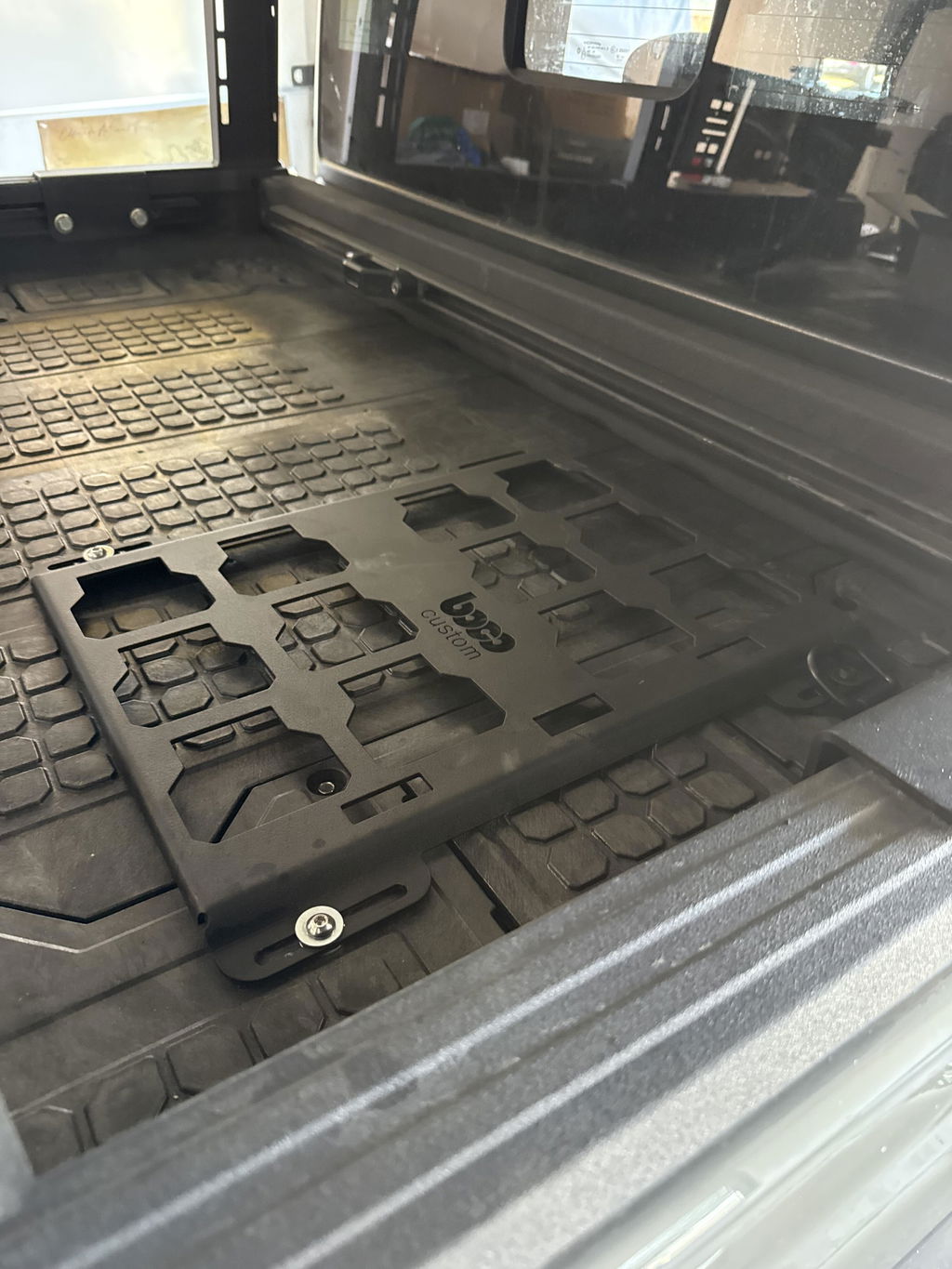
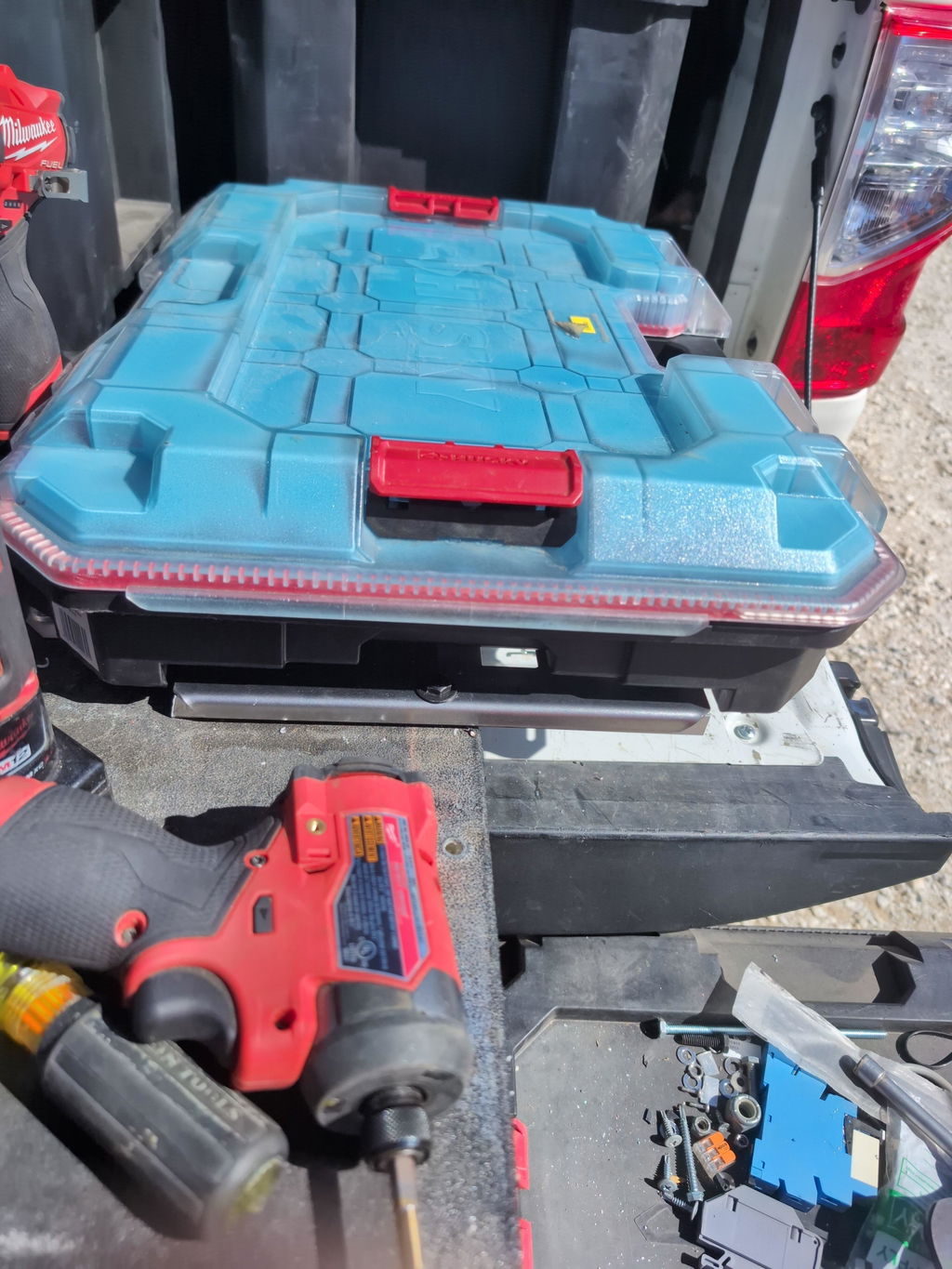
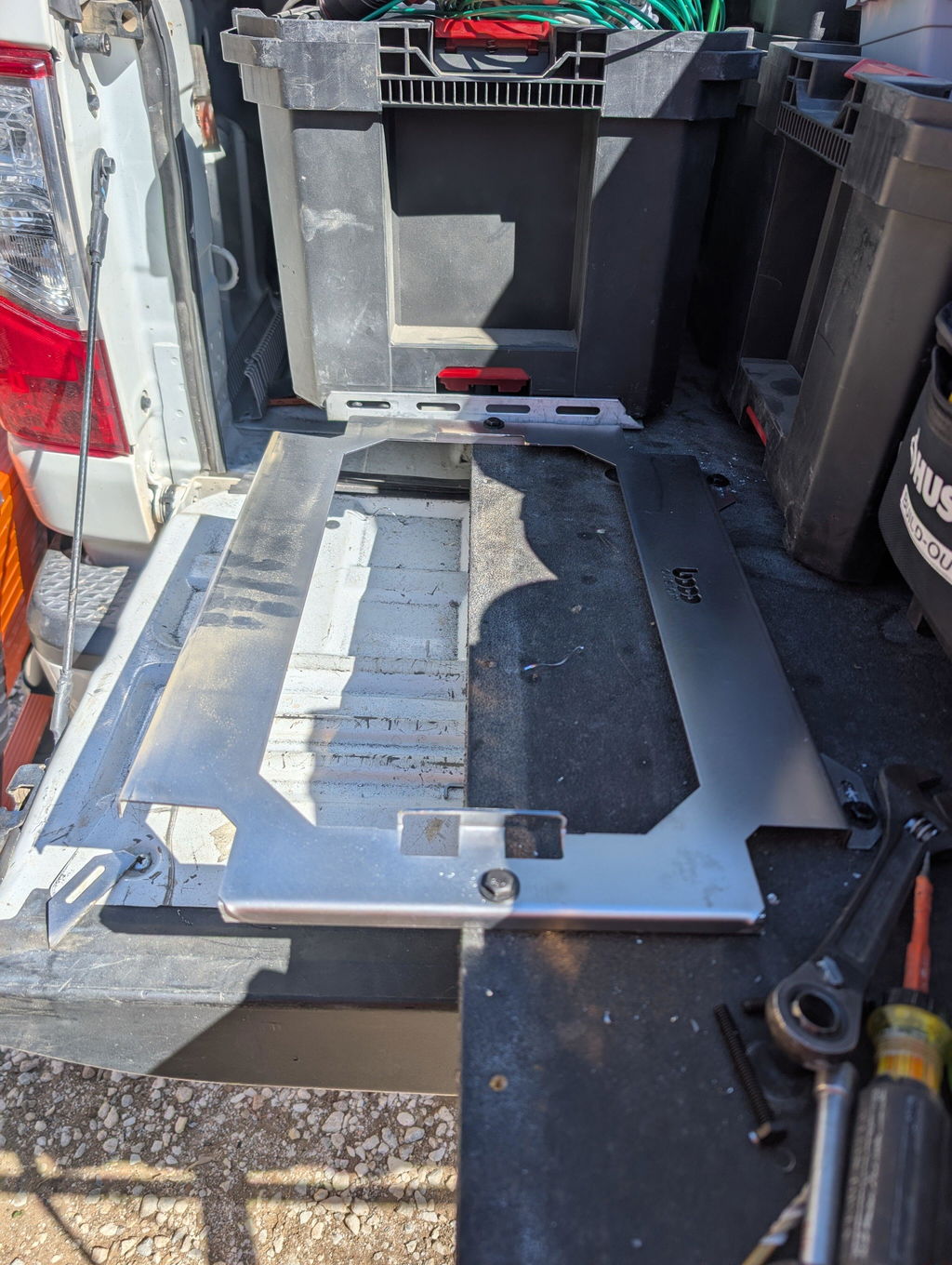
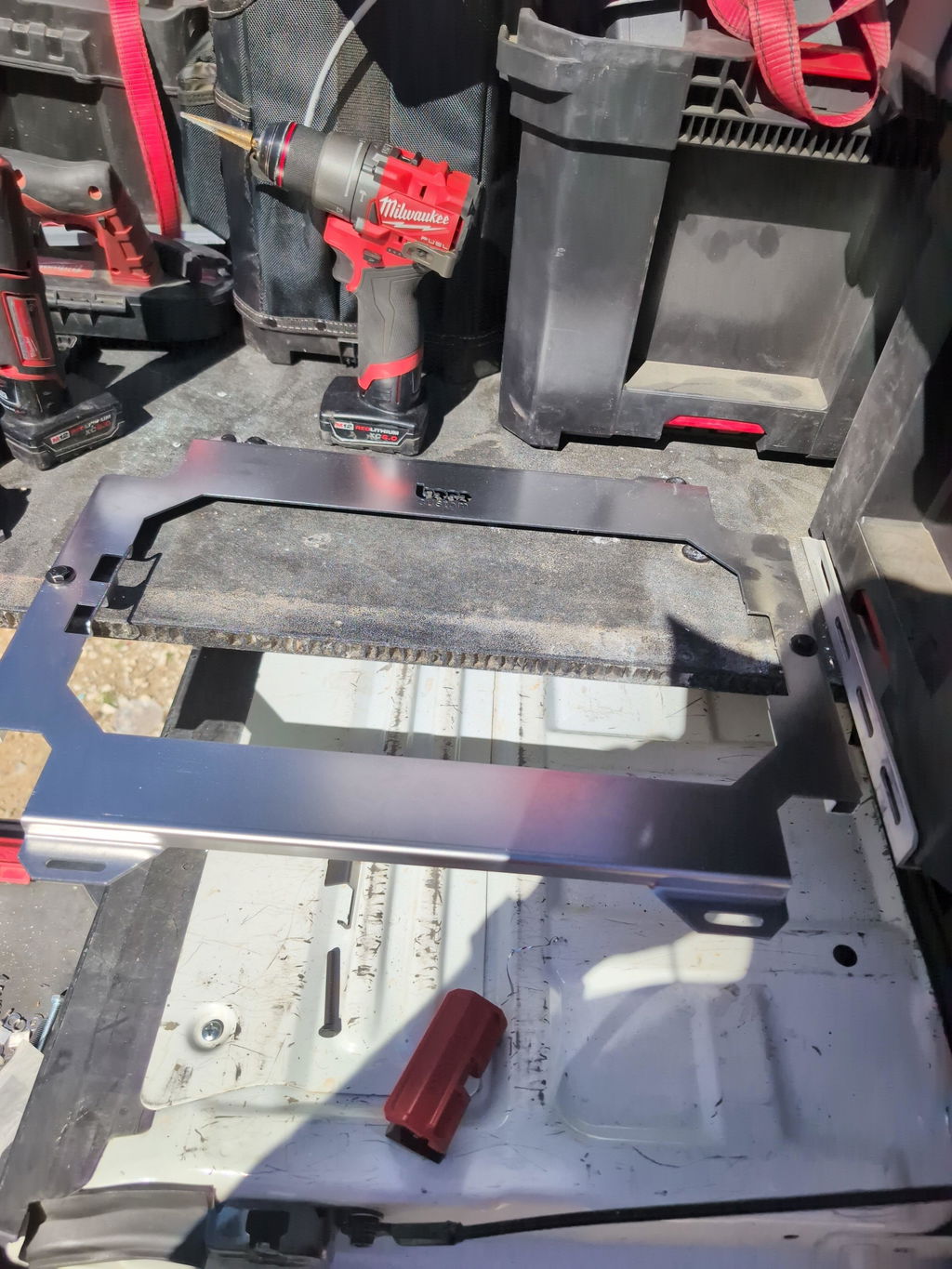
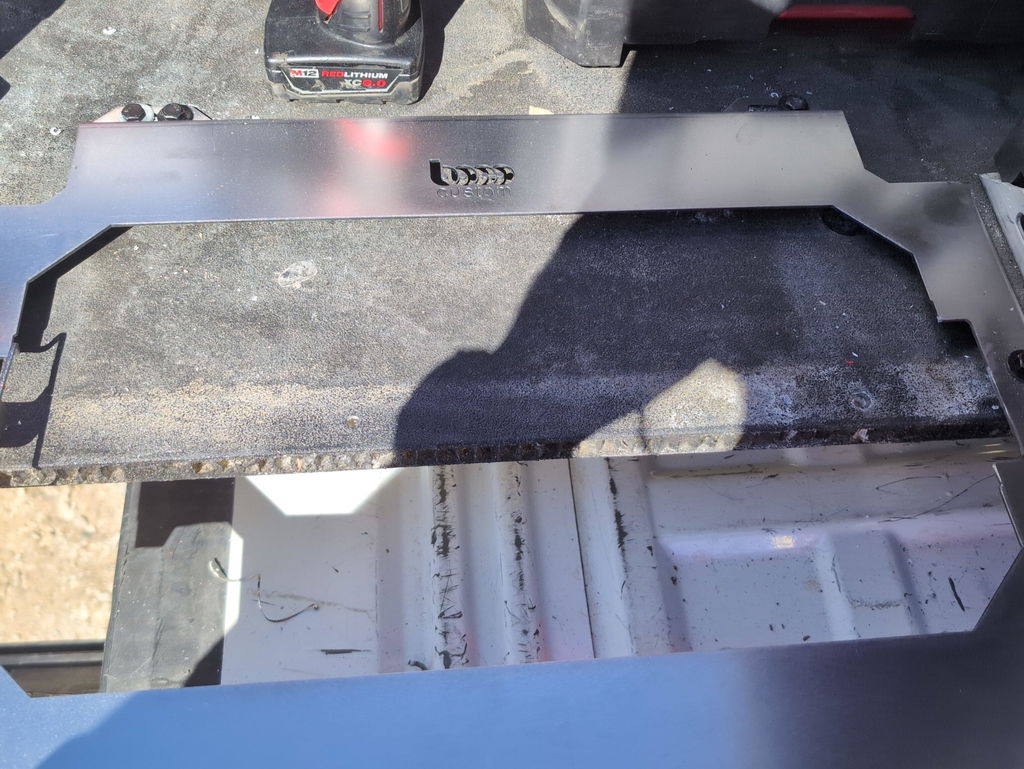
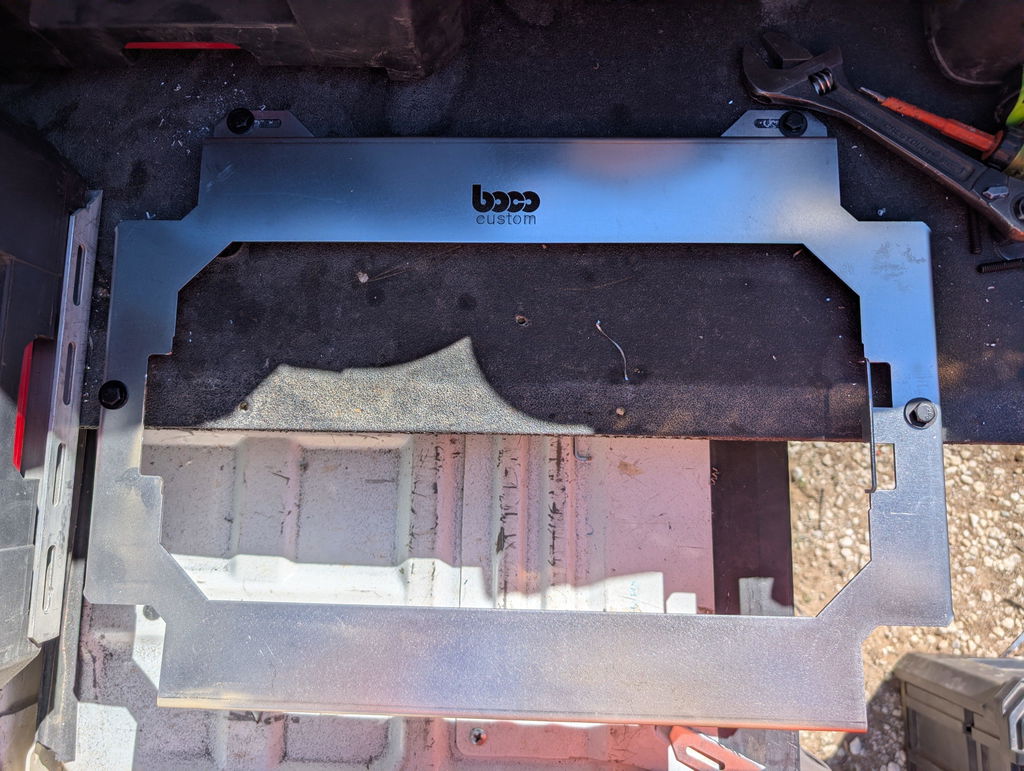
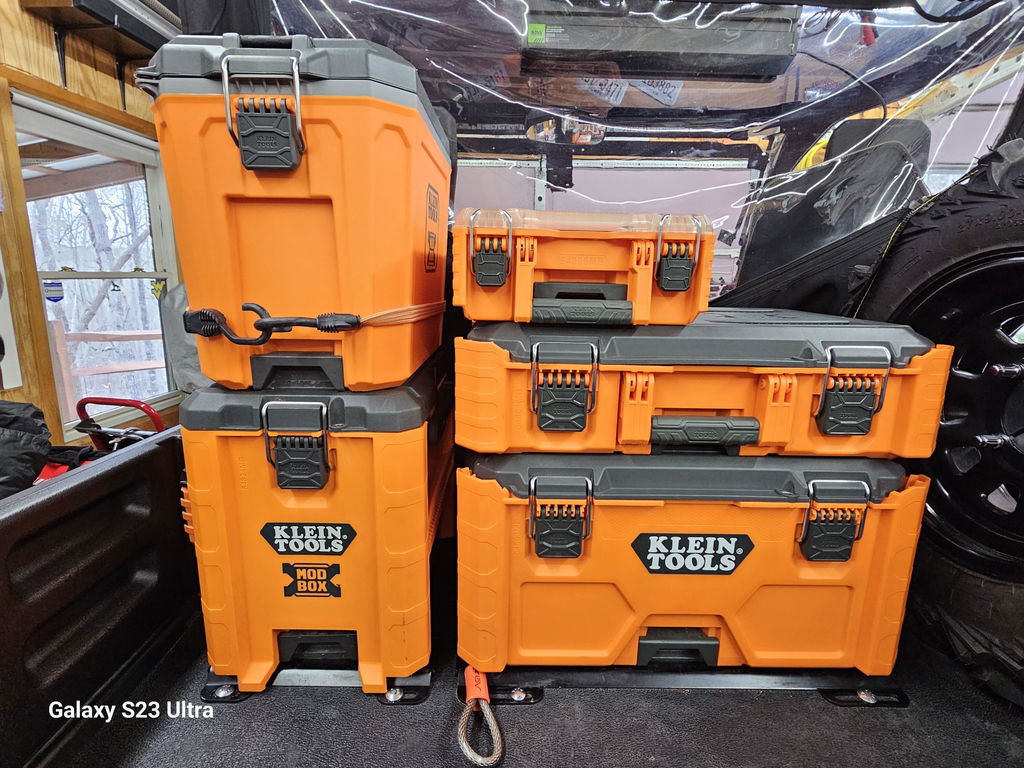
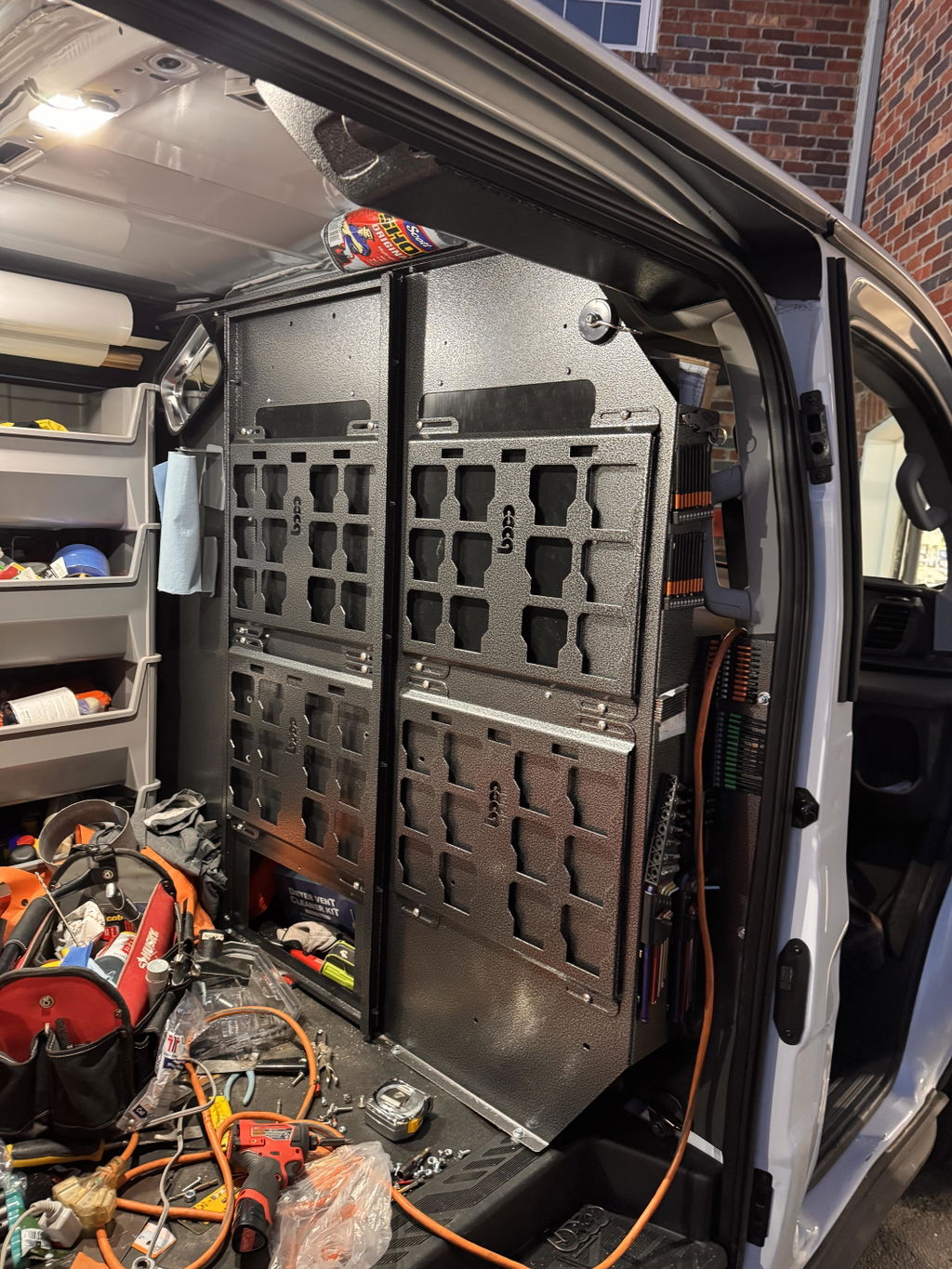
Not only is this way overbuilt for the price with its solid, confident craftsmanship, I am completely convinced that these guys are the best around when it comes to the packout platform.
I like these, they are much more compact than what Milwaukee offers. I had them powder coated in silver vain and they look awesome. I love the bonus half rack they sent me. That’s the mark of a nice company.


Leave a comment